
FORTUNE+ VIDEO SPONSORED CONTENTS ADVERTORIALS FORTUNE AUDIO Fortune Careers TRADE AFRICA Election 2026 New TIME REMAINING UNTIL ETHIOPIA’S NATIONAL ELECTION 0Days 0Hours 0Minutes 0Seconds

Gold Rally Should Lift National Hopes But Exposes Structural Faultlines

The global gold market has entered uncharted territory. Prices have soared by 26pc in dollar terms since mid-September, surpassing 4,000 dollars an ounce by late October, an unprecedented rally driven less by speculative fever and more by tectonic shifts in the global economic landscape.

This spike reflects a confluence of forces. A weakening US Dollar has lowered the opportunity cost of holding gold. Persistently low real interest rates in advanced economies have bolstered gold’s appeal as a store of value. Meanwhile, rising geopolitical tensions, inflation fears, and trade disruptions have prompted central banks and institutional investors to increase their gold holdings, thereby tightening the supply and fueling the price surge.

For countries like Ethiopia, this dramatic move in the gold market can be far more than windfall profits, but a crucial moment for their mining industry.

Ethiopia sits on one of the world’s richest geological formations of the Arabian-Nubian Shield. It is home to large gold deposits, many of which are still untapped. The mining sector, which had long been considered underdeveloped, has experienced a dramatic turnaround last year. According to government figures, gold exports generated over two billion dollars in the first 10 months alone, representing a massive leap from the 274 million dollars recorded the previous year.

The change in gold export and earnings mirrors sweeping reforms, new investment, and buoyant global prices. Annual production is estimated at roughly 37tns most of which is shipped through formal export channels.

However, there is a gap between geological promise and actual production. Most of Ethiopia’s gold comes from artisanal and small-scale miners, who work with little oversight. Infrastructure remains a sticking point, with many mining areas suffering from poor roads, unreliable electricity, and a lack of domestic refining capacity. Smuggling is common, siphoning off potential export earnings, and the lack of modern extraction technology keeps production modest.

These barriers have kept the sector from delivering its full economic potential. But the latest spike in gold prices could change the math. Higher prices improve the financial feasibility of investing in mechanised mining, new exploration, and local processing, moves that could bring deeper and long-term changes to the sector.

Under the new price regime, even a modest improvement in production could have an outsized impact on the national balance sheet. A hypothetical eight to 10pc increase in gold output, achievable through mechanisation and formalising informal miners, would boost export volumes and bring in more foreign exchange. At a price of 3,500 dollars an ounce, net gold revenues after production costs could approach 3.2 billion dollars.

At 4,000 dollars an ounce, that figure would climb to about 3.6 billion dollars, while a further jump to 4,500 dollars an ounce would push net revenue to four billion dollars. These numbers can illustrate how higher prices, even with small increases in production, could dramatically expand Ethiopia’s fiscal space and its strategic options. The fiscal implications are as important as the economic ones. More gold exports mean more foreign currency, which can be used to strengthen forex reserves, stabilise the Birr, and manage its external payments at a time when import bills are high.

But gold is not without its risks. The metal’s price can swing sharply with little warning, depending on shifts in global liquidity, investor sentiment, or trade policy. Leaning too heavily on gold as a fiscal or currency buffer could leave the country exposed if prices fall. The safer course is to channel today’s windfall into longer-term investments, such as better infrastructure, formalising the small-scale mining sector, expanding refining capacity, and building up financial buffers.

Using the current revenue jump to fund recurring government spending could create problems if the market turns.

Beyond the immediate economic and fiscal impact, the rise in gold prices also has diplomatic consequences. With its earnings from gold climbing, Ethiopia is to gain leverage in regional trade talks and investment negotiations. It could position itself as a reliable supplier at a time when global supply chains are seeking more diverse and resilient sources of supply. That, in turn, could attract responsible investors and support trade partnerships, potentially strengthening its role in the Horn of Africa.

But expanding gold mining, especially at the artisanal level, brings its own set of challenges. Environmental concerns, including land degradation and water contamination, as well as potential local disputes over resources, could easily offset the long-term benefits if not managed carefully.

The current opportunity should be about more than selling gold at high prices. The global market presents an opportunity to harness mineral wealth through smart policies, targeted investments, and stricter oversight. Investing in modern mining methods, formalising small-scale operations, developing downstream processing, and improving export logistics could turn a short-term boom into lasting growth. However, policymakers will need to strike a balance between these ambitions and safeguards for social and environmental sustainability, as well as fiscal discipline.

Gold should not be viewed as a mere commodity for Ethiopia. At this critical juncture, it represents an intersection of geology, economics, and geopolitics. The way the country responds to the current price surge could determine whether gold becomes a catalyst for genuine transformation or another missed opportunity. The decisions made now will shape the sector, and, in many ways, the broader economy, for years to come.

Addis Abeba Bike Riders Fight to Keep Moving

The motorcycle leans against a dusty wall on a street in the Qera neighbourhood, its frame a battered cushion for Seleshi Tadesse with a marketing degree. As he chatted with a circle of shoeshine boys and three fellow riders he waits for work.

“Jobs are rare when they come around,” he said, a blunt verdict on a trade that once earned him up to 2,000 Br a day.

The pandemic, a city-wide ban on carrying passengers, and a looming order to switch from petrol engines to electric motors have wiped away most of that income. On a good day, he might manage one or two deliveries, each worth about 400 Br. Worse was the afternoon when police discovered an old spare part on his bike with no receipt. Officers seized the part, detained him overnight, and granted bail only after he paid 6,000 Br.

“My friends always get into trouble repeatedly,” he said, nodding at riders who have endured the same routine.

Motorcycles were once Addis Abeba’s swiftest way of weaving through traffic jams, ferrying commuters to offices and students to schools. Since the COVID-19 pandemic, the machines have been repurposed as the city’s go-to couriers, a change that city authorities have not ignored. Qera, the commercial strip that slopes toward Gofa, was crammed with spare-parts dealers whose very survival depends on bikes shuttling between workshops.

But many of those riders now fear they stand at a dead end. City transport officials have given them two years to abandon petrol-powered models and buy electric ones. While the clock is ticking, Seleshi has done the maths and nothing adds up.

“It isn’t feasible,” he told Fortune.

He calculated that an e-bike covers no more than 100Km on a charge, barely enough, in his view, for three rounds of bound-to-bound deliveries. Charging stations are scarce, range anxiety is constant, and maintenance costs are formidable. Together, the price of the bike, parts, and upkeep climbs above 350,000 Br.

“I’ll stop working and consider changing jobs,” he sighed.

Daniel Mulugeta was a former deliveryman for a company that is no longer in business. Armed with a six-year dream of starting a family, he has seen the same roadblock. Three years ago, he sold his motorcycle when the ban on passenger transport left the business unprofitable. Today, he is on the payroll of a pharmaceutical company, reduced to transferring cheques and running small errands.

“There are days when there is work to be done,” he said, shrugging at the unpredictability.

Before the clampdown, he could ride the 37Km from the capital to Dukem, switching between people and parcels. Now his route rarely leaves the city’s ring road.

Hayder Meharedin, general manager of Sheger Motor Bikes Association, painted an even bleaker picture. After the prohibition, he swung from dawn-to-dusk work to stretches of idleness lasting days. The battle now is not securing orders but surviving encounters with police and traffic officers. He delivers spare parts to garages; many arrive without paperwork because “the spare parts are worked on in different places.” That gap has brought him endless arguments over receipts. He once earned about 1,500 Br daily. Some colleagues scrape by on 400 Br.

At the Motorbike Owners Association, General Manager Lamesgen Tarik catalogues the squeeze. Income plummeted when passenger rides were outlawed, yet expenses, including annual GPS renewal fees, association dues, and municipal taxes, continued to climb.

“If the GPS renewal is delayed, there will be a penalty from 300 to 500 Br, and more than 1,000 Br from traffic management,” he said.

Receipts have become a choke point, too. Spare parts bought second-hand or retooled seldom come with documentation, yet police demand proof or impound goods.

“This requirement has negatively impacted those dependent on their bikes,” Lamesgen told Fortune. “The business has been impacted for the past four years.”

Two years ago, the Addis Abeba City Administration Transport Bureau issued a directive that reshaped the sector. All fuel-powered motorcycles have to convert to electric within two years of enactment, and from day one, only electric models will qualify for new transport licences. The regulation was designed to correct an earlier guideline that restricted motorcycle movement to ease traffic, a rule that had backfired, blending economic distress with social fallout.

Under the latest edict, every 12,000 bikes registered in the city will be equipped with GPS tracking and speed-limiting devices that flash red when riders exceed the limits. Drivers are required to don uniforms bearing the association or company insignia. Service types are split. Paid delivery of goods is mounted in storage boxes, and personal transport. Petrol bikes registered under Codes 2, 3, or 4 may be retrofitted if the owners can prove that the original engine has been scrapped.

Many owners want the transition slowed, softened, or subsidised.

According to Abdurezak Hamdu, who heads the Motorcycle Owners Association, representing 531 owners, the change demands government support. He proposed three tracks where they could convert existing engines to electric, embrace hybrids, or replace engines wholesale. He even floated natural gas as an interim fuel.

“It’s important to consider our financial status,” he said.

He has lobbied for loans, clarity on disposing of old machines, and better odds of successful conversions. Crime, too, has tarnished the image of bikers, though GPS monitoring now offers a layer of accountability. Old-part deliveries still pose a headache. Digital vendors issue no paper receipts, yet riders face fines without them.

The Addis Abeba Revenue Bureau is tightening the net on such gaps. Its Communications Chief, Sewenet Ayele, disclosed that officials are drafting measures to tax digital shops under new income-tax rules covering online content and trade. Inspectors already sweep brick-and-mortar stores for forged or missing receipts. They are determined to extend that focus to e-commerce. Firms that duck taxes risk penalties of 100,000 Br. Vehicles carrying new goods without valid receipts are subject to the same sanction.

“Trade has to be fair for everyone,” Sewenet argued. “If people aren’t paying taxes on digital trades and irregular transactions, the legal taxpayers will be adversely affected.”

A study on taxing digital dealers is underway.

Parallel to the municipal directive, the Ministry of Transport & Logistics has rolled out an e-mobility strategy to steer developments over the next decade. In the document released a few weeks ago, e-motorbikes are “a central pillar” of Ethiopia’s electric-vehicle blueprint, with a target for all new two- and three-wheelers to be fully electric within a decade. National assembly capacity is pegged at roughly 63,900 units annually, part of an 84,000-unit EV manufacturing base. By 2030, the plan calls for 30pc of new EVs to be locally assembled.

The roadmap is lined with carrots, including low-interest loans, point-of-sale rebates, tax breaks, insurance discounts, and scrappage or retrofitting schemes to spark demand. Technical and vocational colleges and universities will offer training, while research on batteries and energy management will expand. The policy pledges that standards will be set for certification, and charging options, such as fixed, mobile, or swapping, will multiply.

Financial lines tailored for fleet operators are promised to “support technicians, enhance uptime, and promote broader market adoption.”

Kedilmagist Ibrahim, an adviser to Transport Minister Alemu Sime (PhD), promised more incentives in pending regulations. One rule on the horizon will compel motorcycles to carry spare batteries. Public institutions, including hotels, are expected to install swapping bays capable of recharging in 25 to 30 minutes. Retrofitting, he said, is “the next frontier” both for cars and bikes. The Ministry plans to retrofit 15pc of all vehicles in Addis within a year.

E-bikes, like other EVs, can import chargers and batteries duty-free.

“Renewable energy users will be rewarded with incentives,” he told Fortune.

Nonetheless, safety is driving policy as the Road Safety & Insurance Fund Service has issued a directive imposing strict rules on motorcycle parcel and passenger services. Every parcel’s bike should be bolted to a waterproof metal or plastic box, no bigger than an oversized carry-on suitcase, painted blue to match the bike. Overloading, which involves carrying more than one passenger or exceeding the approved package limit, is prohibited.

The draft directive also makes electronic speed limiters mandatory, ranking them alongside helmets as standard kit.

Drivers will soon need certified training and competency licences, with age thresholds set to keep minors off commercial bikes. Penalties stack by progression, beginning wth notice, fines, temporary suspensions, and permanent revocations for violations ranging from safety breaches to operating without a licence.

Berekti Baheru, who leads the Road Traffic Safety Law Enforcement Desk at the Road Safety & Insurance Fund Service, backs the move as essential for public confidence. She called for a framework “that allows citizens to use motorcycle transport with full confidence in their safety and comfort,” warning that violations, unlicensed riders, loose helmet straps, overloaded bikes, and tilted accidents have increased.

Solomon Adane (Inspector), from the Addis Abeba Police Commission’s Traffic Department, disclosed that motorcycle offences expose riders and pedestrians to high risk. Careless helmet use, especially when straps are not fastened, repeatedly turns crashes fatal.

According to the Addis Abeba Traffic Department, fatalities reached 480 in 2018 before dipping to 401 last year. Injuries totalled 3,666 in 2024, prompting its officials to aspire to halve deaths to 200 and cut injuries by 25pc by 2030. Speed causes 52pc of injuries and 86pc of fatalities. They plan automated speed cameras to fine offenders without human intervention.

The draft requires transport bureaus to form riders into licensed associations, suspend the licenses of criminal operators, and enforce annual inspections and insurance renewals. Owners should keep vehicles within permitted zones, report misconduct, and supply helmets. The Commission responds with awareness drives and stricter checks. Solomon conceded that not every rider is a criminal. Nonetheless, plenty have been tied to mobile-phone theft and other petty crimes.

Some experts doubt the logic of replacing petrol bikes. Berhanu Zeleke, an urban transport lecturer at Kotebe Metropolitan University, argued that motorcycles are among the most fuel-efficient vehicles available. Reducing their numbers might lower traffic costs, but this should be a strategic, transparent, and guided approach, with an exit plan in place. He applauded GPS tracking for boosting accountability yet cautioned against demonising a mode of transportation that keeps thousands employed.

The Quiet Labour That Keeps Peace Alive

Like the air we breathe, peace does not typically command our attention until we lose it. That is why the study of peace is inextricably linked to that of war. It seeks to understand the root causes of conflict and illuminate ways to end or avoid violence.

But peace is a condition in itself, and it warrants our attention as much today as it did in the 14th Century, when the Italian artist Ambrogio Lorenzetti painted his powerful and enigmatic three-panel fresco in the “Sala dei Nove” of Siena’s Palazzo Pubblico, where Siena’s Council of Nine magistrates met.

The fresco’s main scenes, which depict the “Allegory of Good Government,” the “Effects of Good Government in the City and the Countryside,” and the “Allegory of Bad Government,” are considered to be one of the most influential secular cycles in art history. They have been studied extensively, with generations of scholars drawing lessons on all manner of topics, from agriculture to politics. But even today, Lorenzetti’s frescoes have much to teach us about peace.

To be sure, the room reflects our tendency to view peace in opposition to war. The “effects of bad government” depicts a horned devil presiding over a court that includes War, with Justice bound and powerless beneath them. Meanwhile, the city is crumbling, its inhabitants are suffering, and chaos reigns. The “allegory of good government,” painted on the adjoining wall, depicts an old, wise monarch on a throne surrounded by figures representing values like Justice, Temperance, Prudence, Strength, and Peace. In a sense, this allegory represents much of the focus of “peace studies”: how peace is “created” in the rooms where decisions are made.

But it is the “effects of good government in the city and countryside”, which confronts the “bad government” panel on the opposite wall, that offers insights into the content and mechanics of peace. The panel depicts a bustling and prosperous city, in which people work, dance, talk, play, and learn. The city gates are open – there is no need for fortification – and in the countryside beyond, people busily farm the land, surrounded by trees and livestock.

The scene is serene, but not stagnant. This is not some fixed utopia that exists out of time, or an unspoiled “Garden of Eden,” to which we can never return. It is a dynamic environment, comprising countless imperfect human actions that perpetuate peace. The message is clear. While leaders can undoubtedly help to create the conditions for peace, it is ordinary people living their lives who make peace a reality, not once, but on a daily basis.

This is not an individualistic process. Lorenzetti’s fresco depicts a community prospering together, engaging with one another, exchanging goods and services, and fulfilling their respective roles, from repairing roofs and growing food to playing music.

In bad times, people may be more likely to adopt an “every man for himself” mindset. But there is no shortage of stories of communities taking care of one another during crises, often at great personal cost. The inhabitants of one French village, Le Chambon-sur-Lignon, risked their lives to hide thousands of Jews during the Holocaust, earning the collective designation of “Righteous Among the Nations” by Yad Vashem, the Israeli Holocaust remembrance centre.

Perhaps it is in such subversive and seemingly irrational choices that peace resides in times of war. And perhaps it is when such behaviours become the norm that peace flourishes. As the 19th-century sociologist Émile Durkheim observed, the community’s shared beliefs, practices, and values play a major role in shaping individual behaviour.

For Lorenzetti, one of those values appears to be openness. Farmers freely enter the city to sell their goods, while elegant urbanites head out to the countryside. Another key value is moderation. While the scene he depicts is full of activity, it remains rather tranquil, seemingly embodying the Latin adage “festina lente” (make haste, slowly). A third value is respect, for oneself, one’s neighbours, and one’s surroundings. People are contributing to their community; the urban buildings are clean and well maintained; and the countryside is bedecked by golden wheat fields and flourishing fruit trees.

This is a society that understands its connection to, and dependence on, nature. In a single image, Lorenzetti shows us the entire agricultural cycle, from ploughing and planting to harvesting. Animals can be seen throughout the panel, from the horses the city dwellers ride and the donkey that helps the farmer bring food to market, to the pigs that would eventually nourish the community. The implication is that a peaceful society must also be in tune with its environment, acting in accordance with the natural forces that govern our planet, the order of the seasons, the alignment of the planets.

As the late Nobel laureate economist Elinor Ostrom said in her 2015 book “Governing the Commons”, local communities have often proven far more successful in managing resources sustainably, through voluntary self-governance, than either the state or the market. As our communities act as stewards of nature, so too do they act as custodians of peace.

But there is one more value that seems to define Lorenzetti’s scene: joy. The bride’s retinue evokes not only the commitment of marriage and family, but also the delight of love. The dancers remind the viewer of the importance of pleasure and creativity, activities that provide us with connection and catharsis. While hard work and prudence are essential to nurture peace, happiness is what makes it all worthwhile.

Make Climate Talks about Human Welfare

As politicians jet into Belém, Brazil, for the 30th annual UN climate meeting, philanthropist Bill Gates has provided a straightforward insight. Climate summits like COP30 should prioritise what truly improves human lives, rather than simply chasing reductions in emissions or temperatures. His point is refreshingly overdue and, frankly, a common-sense observation.

I have long argued that policymakers should always ask what the smartest way is to do the most good with limited resources. For billions of people in the developing world, addressing immediate challenges such as poverty and disease takes precedence over pursuing distant temperature goals. In poor countries, parents are not kept awake by concern about achieving a 0.1°C temperature reduction over a century. They worry whether their children will survive a bout with malaria or get a decent education.

As Gates pointed out, “the biggest problems are poverty and disease, just as they always have been.” Every year, more than 7.5 million people in poorer countries die from illnesses that could be prevented or managed very cheaply. Smart investments in health, nutrition and education could save over four million people every year, while also building growth and resilience for the future.

Gates’ common-sense message is at the crest of a growing global shift in thinking.

For years, no departure from dogmatic climate conformism was tolerated. Making drastic emissions cuts at any cost was the paramount policy goal. This extremist message was repeated ad nauseam by the United Nations Secretary-General, numerous politicians and an army of hectoring celebrities. Anyone questioning the supremacy of the climate threat or expressing scepticism at the costly policies required was derided as a “climate denier.”

Suddenly, pragmatism and nuanced thinking are back in fashion. Canadian Prime Minister Mark Carney, who warned a decade ago that potential climate catastrophe meant fossil fuel reserves could be “unburnable”, is fast-tracking the construction of an LNG export terminal and promising to “transform our country into an energy superpower.”  In the U.S., Democratic Senator Chris Coons says that climate is “not a top three issue right now.” Even the green-leaning British and German governments are discussing the need to incorporate some economic considerations into climate and energy policy.

It is time to move beyond the doomsday narratives that have dominated the climate discussion in recent years.

Climate change is a real problem, but it is not the end of the world. If it is not addressed, climate economics shows that it might shave two to three percent off global GDP by 2100. We will be 435pc richer instead of 450pc. Climate is one issue among many, not an apocalypse that eclipses everything else. And yet the same old activists are repeating their well-worn arguments.

First, the notion that climate spending is not crowding out efforts to tackle poverty. This idea is pushed by climate professor Michael Oppenheimer, who claims Gates sets up a “false dichotomy.” But anyone living in the real world knows money cannot be spent twice. By their own admission, the world’s multilateral development banks, international organisations funded largely by taxpayers to help the world’s poorest countries, devoted an astonishing 137 billion dollars to climate financing in 2024. That is 137 million dollars spent on climate that will not be spent on preventing disease and hunger.

Globally, we have spent over 14 trillion dollars on climate policies. Last year alone, the cost exceeded two trillion dollars. Having been spent on climate policy, that money cannot be spent again on basic education and maternal healthcare.

Then there is the alarmist claim from climate professor Michael Mann that “there is no greater threat to developing nations than the climate crisis.” This patronising argument suggests that climate campaigners in rich-country ivory towers understand things better than people living in the global South. In real life, Africans from 39 countries rank climate as their 31st most important problem out of 34, far behind education, jobs, health and roads.

The greatest challenges are pretty obvious for those who live in poverty, and disease and hunger claim lives daily. Yet, green campaigners tell us, in essence, that poor people need emissions cuts first and foremost, before more food, medicine or pathways out of poverty. Bill Gates now disagrees, urging us to focus on what helps most.

A climate summit focused on human welfare would recognise that, making people more resilient. Boosting prosperity is one of the best policy responses to climate change. As with any policy, we should approach the climate with a focus on what makes the biggest impact. That means ending the obsession with costly and inefficient Net Zero and doubling down on adaptation, as well as R&D to spark green-energy innovation.

In the city of Belém on the Amazon, the private jets of the world’s climate elites gathered for yet another climate summit. There, more than anywhere else, it is well past time for common sense to get a hearing.

A Center Exclusively Focused on Breast Cancer Treatment

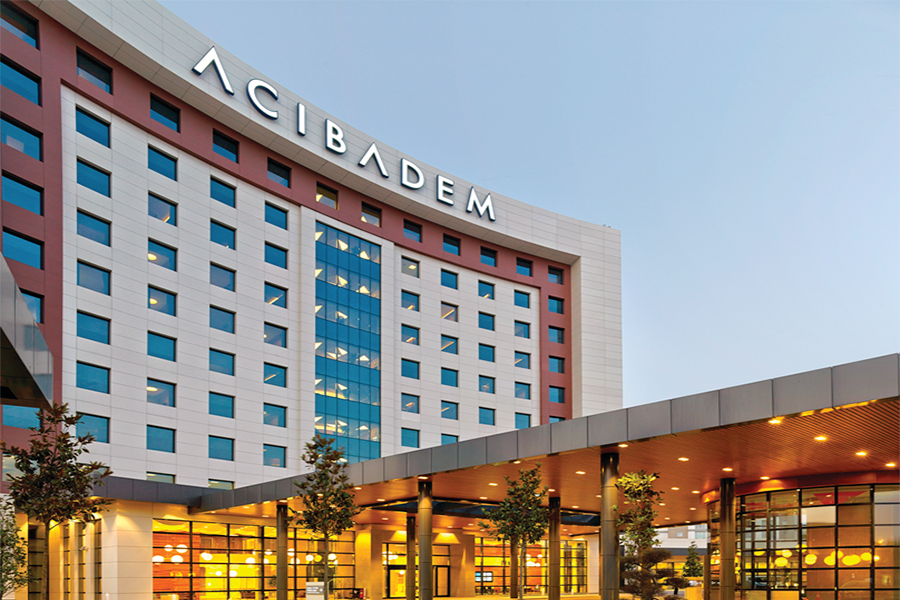
Being recognized as a world-class breast cancer clinic is built on medical expertise, continuity of care, and a multidisciplinary approach. At Acıbadem, more than 50 physicians from various specialties, all with dedicated expertise in breast cancer, collaborate to meticulously plan, deliver, and manage every aspect of patient care. Hundreds of patients from around the world choose the Acıbadem Breast Cancer Clinic for their treatment each year.

Each type of cancer is unique and has its own characteristics. Breast cancer is not only the most common cancer in women but also carries symbolic significance related to body image and femininity. That’s why, at Acıbadem, we prioritize preserving the breast’s appearance whenever possible. We perform breast-conserving surgery, which involves removing the tumor along with a safe margin of surrounding healthy tissue, rather than the entire breast.

Staying Motivated is Crucial

A breast cancer diagnosis can be deeply challenging for many women. Prof. Cihan Uras emphasizes the importance of physicians supporting patients throughout their treatment journey: “We must truly understand what the patient is going through. That’s very important. Yes, there is a lesion in the breast, but we can manage this condition successfully. There is no need to be afraid. Staying motivated during treatment is crucial for all of us. I believe strong morale is vital because it boosts the immune system, and the immune system fights cancer cells.”

A Comprehensive Multidisciplinary Approach

A multidisciplinary approach is essential in the treatment of breast cancer. At Acıbadem, all relevant medical specialties come together not only to ensure accurate diagnosis and effective treatment, but also to support every stage of the patient’s healing journey.

Within the clinic, surgeons, medical oncologists, radiologists, radiation oncologists, geneticists, pathologists, plastic surgeons, nurses, psychologists, and dietitians work collaboratively. What makes the Acıbadem Breast Cancer Unit unique is that each expert is specifically trained in and fully dedicated to breast cancer care.

Every week, the team discusses each patient’s case in detail to determine the most appropriate treatment plan. From diagnosis to recovery, the entire process is meticulously planned, carried out, and closely monitored by a highly specialized multidisciplinary team.

A Clinic with a Quarter-Century of Experience

Professor Cihan Uras, one of the pioneers in breast cancer treatment in Türkiye, has led the Acıbadem Breast Cancer Clinic for 25 years. This long-standing experience allows both physicians and patients to navigate the treatment process more smoothly, even with the high patient volume at the center. The clinic serves not only local patients but also attracts individuals from around the world who seek advanced treatment options.

Prof. Uras shares: “It is an honor to care for patients who travel from their home countries to seek treatment here. Being recognized as a trusted global center reflects the credibility of Türkiye, Acıbadem, and our clinic. Serving international patients is both a great responsibility and a true source of happiness for us. Every patient is unique and like a member of our family. We always aim to do our best for them.”

An Extraordinary Case That Inspires Patients

While some breast cancers can be treated relatively easily, others may require a longer and more complex journey. The story of a young woman treated at Acıbadem shows how meticulous planning and personal determination can lead to life-changing outcomes, offering hope to others facing similar challenges.

Shortly after getting engaged, she was diagnosed with breast cancer. Following screening and biopsy, her treatment plan was designed, beginning with chemotherapy. However, because chemotherapy affects fertility, she was advised to undergo egg or embryo freezing to preserve her chance of becoming a mother in the future before starting treatment. However, according to regulations in Türkiye, only married couples are allowed to freeze embryos. With remarkable determination, the couple made a swift and heartfelt decision to get married. Following their marriage and the successful embryo freezing procedure, she began chemotherapy. This was followed by breast-conserving surgery and radiotherapy, which successfully eliminated the tumor. To help prevent recurrence, she started anti-hormonal therapy in the form of oral medication.

In the third year of treatment, her hormonal therapy was paused. The frozen embryos were used, and, thankfully, pregnancy was achieved. She gave birth to a healthy baby. After delivery, she resumed her hormonal treatment. By the end of her journey, she was married, became a mother, and successfully overcame breast cancer.

Professor Cihan Uras reflects on the case: “This story is one of the most inspiring examples, not only of overcoming disease but also of taking ownership of one’s future and the will to keep going. Stories like this remind me why I chose this profession.”

Improved Outcomes in Metastatic Breast Cancer

In the past, a diagnosis of metastatic breast cancer came with a very low chance of survival. But today, thanks to advances in chemotherapy, targeted therapies, and immunotherapy, outcomes have significantly improved. Professor Cihan Uras shares another case: “Today, I operated on a patient who was diagnosed with metastatic breast cancer three years ago at our clinic. She had undergone chemotherapy and anti-hormonal therapy. When we re-evaluated her condition, everything looked very good. Only small tumors remained in the breast and axilla, and we removed them. In the past, operating on such patients would have been impossible. But now, everything has changed for the better.”

You can get a second medical opinion from our medical experts for free, contact us now : https://acibademinternational.com/


The Year in Rear Sight 2025

01

In Addis Abeba, Tourist Numbers Rise But Tables Stay Empty

Traditional restaurants in Addis Abeba, known for serving authentic domestic dishes and offering vibrant cultural performances, face severe constraints, despite an uptick in tourist arrivals officially touted. The struggle for survival among these eateries signals a wider concern within the tourism industry, uncovering gaps between reported visitor statistics and actual business performance.

Read more

02

Addis Abeba Demands Buildings Open Parking Spaces to Public

Buildings in Addis Abeba are mandated to open their parking spaces to the public, as part of a broader effort to address the city’s persistent traffic congestion and enhance parking infrastructure. Addis Abeba Traffic Management Authority has introduced a series of measures with hopes of optimising the use of parking spaces and regulating traffic flow.

Read more

03

In Greening Addis Abeba, a Legacy Planted, a Market Overlooked

As Addis Abeba ushers in this year’s rainy season, city officials have committed to planting 4.2 million seedlings across the capital, a far cry from last year’s 26 million. Although the scale has narrowed, ambition remains unchanged. In what city officials describe as a bold shift, all seedlings will now be sourced directly from municipal nurseries, cutting out the hundreds of small-scale vendors that have been supplying institutions under the federal Green Legacy Initiative.

Read more

04

As School Fees Soar in Addis, Families Choose Between Education, Survival

Late June in Addis Abeba brings its first curtain of rain, a grey veil that slows the minibuses and muffles the usual din of the capital. It is the season when schools close, children tumble into the streets, and families cheer another grade completed.

For Mihiret Yohannes, a mother of three renting a two-room house in the Saris neighbourhood, the rain feels less like a lull and more like a warning bell. Her eldest two, now 17 and 18, make the daily trek to Maria Rubatto School on Bekelech Street (near what is popularly known as Chechenia) in Bole District. The youngest is still in nappies and needs formula, costs which already strains the household budget.

Read more

05

Addis Abeba Officials Backtrack After Uproar Jolts Property Owners

A controversial decision to clear a large tract of land in Addis Abeba’s Wereda 1, around Flamingo and the Olympia roundabout, potentially affecting 31 properties, has been abruptly reversed, bringing relief to the property owners but leaving developers uncertain in its wake.

Read more

06

Addis Abeba University’s Autonomy Shuts the Door on Brightest Minds

For as long as he could remember, 18-year-old Menase Samuel had dreamed of studying software engineering at Addis Abeba University (AAU). Like many of his peers, he saw AAU as the pinnacle of higher education, a gateway to opportunities that could lift his family out of poverty. When the University announced it was accepting applications for self-sponsored positions, Menase did not hesitate.

Read more

07

Addis Abeba Businesses Face Mandatory Health Insurance Fee Stirring Dissent

The Addis Abeba City Administration has mandated all businesses to contribute to the Community-Based Health Insurance (CBHI) scheme as a precondition for accessing essential government services, including trade license renewals and tax clearance certificates.

The circular, signed by Biniyam Mikru, head of the Addis Abeba Revenue Bureau, took effect on July 17, 2025, with immediate enforcement, sparking a flurry of confusion, resistance, and criticism over a lack of stakeholder engagement.

Read more

08

Addis Abeba’s EV Rollout Short-Circuits Due to Power Delays

Addis Abeba is racing to build a public charging network for electric cars estimated to reach 100,000, but the rollout has already hit a wall. The plugs are installed,but the power is not.

The Traffic Management Authority is wiring every “smart” parking lot for chargers, starting with Women’s Square, Casanchis and Bole-Japan neighbourhoods, disclosed Binyam Getachew, director of Parking Traffic Infrastructure Management.

Read more

09

Addis Abeba to Launch Sweeping Crackdown on Construction Safety Failures

In a city rising skyward at breakneck speed, a reckoning has arrived. Authorities in Addis Abeba have declared a sweeping crackdown on unsafe construction practices, putting thousands of developers, contractors, and consultants on notice.

Read more

10

Investment Holdings Revamps CBE’s Boardroom

Brook Taye (PhD), CEO of Ethiopian Investment Holdings (EIH), Ethiopia’s sovereign wealth fund, has appointed three individuals to the board of the state-owned Commercial Bank of Ethiopia (CBE), following his board’s approval.

Read more

Temer Properties: Real Estate Updates Made Simple on YouTube & Telegram

Temer Properties has established itself as a premier destination for those seeking houses for sale in Addis Ababa, apartments in Addis Ababa, real estate in Ethiopia, and commercial shops in Ethiopia. Whether buyers are searching for a family home or an investment opportunity, the company offers a wide range of well-located residential and commercial properties throughout Addis Ababa.

Site Progress on YouTube

The company provides updates through its official Site Progress Playlist on YouTube. Viewers can explore every stage of construction, from groundbreaking to finishing touches, as each project unfolds. Updates are available on the Temer Properties YouTube Channel and are organized in the dedicated Site Progress Playlist.

Temer Properties YouTube Channel

Site Progress Playlist

Direct Connections with Temer Properties

• Telegram: @Temer_Admin or +251 93 955 5558
• Call: Hotline 6033 within Ethiopia, or +251 975 666 699
• Visit: Woldemaryam Building, Sarbet to Kera Road, Addis Ababa, Ethiopia
• Website: temerproperties.com

What Can Be Found

Residential Listings: Homes in Ayat, Lebu, Sarbet, Piassa, and Haile Garment, featuring 1, 2, or 3-bedroom apartments along with shops and mixed-use options.

Commercial Opportunities: Units in central locations such as Piassa, designed for businesses seeking growth or new openings.

Construction Updates: Transparent progress reports for each site, allowing buyers to track developments.

Why Clients Choose Temer Properties

• Strategic locations in Addis Ababa’s most accessible neighborhoods
• On-time delivery with projects completed according to schedule
• Multiple property options, including modern apartments, spacious houses, and commercial shops
• Construction quality focused on safety, design, and long-term value
• Transparent pricing with flexible installment options
brFull support from design and construction through to post-sale services

Temer Properties states that its mission is to make the process of finding a home or investment opportunity simple, transparent, and reliable. The company emphasizes on-time delivery, multiple property options, and regular updates through platforms such as YouTube and Telegram.

Digital Platforms

• Website
(https://www.temerproperties.com)
• Facebook
(https://www.facebook.com/temerproperties)
• Instagram
(https://www.instagram.com/temerproperties)
• LinkedIn
(https://www.linkedin.com/company/temer-realestate)
• Telegram
(https://t.me/temer_properties)
• YouTube
(https://www.youtube.com/@TemerProperties)
• TikTok
(https://www.tiktok.com/@temer_properties)

Temer Properties
Create | Construct | Deliver

#temerproperties #temerrealestate

Traveling to Türkiye for Prostate Cancer Treatment: What Acıbadem Offers

Although prostate cancer is the most common cancer in men, the good news is that it is generally treatable. At Acıbadem, we offer both surgical and nonsurgical options to cure localized disease permanently. For metastatic prostate cancer, we utilize systemic therapies and targeted radioactive treatments to control cancer progression, relieve symptoms, and enhance the patient’s quality of life.

The prostate is a gland unique to males and is part of the reproductive system. Prostate diseases are common, and the three most frequent conditions are prostate cancer, benign prostatic enlargement, and prostatitis. Each condition is distinct and requires its own treatment approach. Prostate cancer often causes the most concern, since the word “cancer” is frightening for many. Fortunately, when the tumor is localized and confined to the prostate, it is highly treatable today.

Robotic Surgery for Safe and Precise Cancerous Prostate Removal

The gold standard treatment for prostate cancer is surgery, which removes the entire prostate. If the tumor is confined to the prostate, surgery can provide a complete cure. However, preserving the surrounding vessels and nerves responsible for urinary control and erectile function is equally important, as these functions are valuable to a man’s quality of life. Even when the tumor is successfully removed, urinary incontinence can significantly impact daily life and may require further treatment. Erectile dysfunction is another possible side effect that can affect both the patient and his partner. That’s why top urologic oncology centers globally increasingly use robotic systems for radical prostatectomy, enabling more precise surgery.

Within the Acıbadem Healthcare Group, we currently employ robotic-assisted surgery in six hospitals to deliver the best possible outcomes. Thanks to our urologists’ extensive experience in robotic prostate cancer surgery, we not only remove the cancer entirely but also minimize the risk of urinary incontinence and impotence. Furthermore, at Acıbadem University, there is an official robotic surgery training center that educates surgeons and offers a globally recognized certificate.

Radiotherapy Effectively Treats Localized Prostate Cancer

Acıbadem has been using radiotherapy to treat cancer for over 20 years. Advances in radiation oncology have led to significant improvements in treatment outcomes. Today, radiotherapy is a valuable option for many types of cancer, including prostate cancer. MRI-guided radiotherapy represents one of the most advanced technologies in this field, providing more precise tumor targeting and better protection for healthy tissues compared to conventional CT-guided systems. For localized prostate cancer, MRI-guided radiotherapy achieves success rates similar to surgery. This allows the tumor to be completely treated without an incision, offering an effective alternative to radical prostatectomy.

Radiation or Surgery for Prostate Cancer: What’s the Better Option?

Both radiotherapy and surgery have their advantages and disadvantages. Patients should discuss these treatment alternatives with physicians from both disciplines to determine the best option for their condition. It is important to remember that if radiation therapy is chosen instead of surgery, the machine must be equipped with the latest technology to minimize risks to healthy organs and tissues near the prostate, such as the bladder and functional nerves. However, at the end of the day, patients should feel at ease with their decision. Both treatments have high success rates in achieving a permanent cure when they are administered by experienced specialists with mastery, attentiveness, and patience.

If My Cancer Has Metastasized…

The most challenging scenario in prostate cancer is when it spreads to other organs or tissues. The good news is that prostate cancer usually presents symptoms before it metastasizes. Fewer than 10 percent of patients are diagnosed after the cancer has already spread. At that stage, surgery is no longer an option. Instead, medical oncologists focus on controlling the disease using various treatment modalities.

The primary treatment for metastatic prostate cancer is hormone therapy, as prostate cancer is hormone-dependent. However, if the patient has a high tumor burden or the cancer is predicted to follow an aggressive course, chemotherapy may also be administered. In patients who become resistant to both hormone therapy and chemotherapy, radioactive treatments such as Lutetium-177 PSMA may be considered.

All treatment decisions are based on the patient’s tumor burden, response to previous therapies, and findings from PSMA PET imaging. At Acıbadem, medical oncologists who specialize in urologic cancers work closely with urologists to determine the best possible treatment plan for each patient.

If you’d like to learn more, visit acibademinternational.com and share your condition with us through the contact form. Our expert team will get in touch with you within a few hours.


Press Release

Addis Fortune Launches the Second Edition of Fortune Finance. Unveiling Ethiopia’s Banking Realities Beyond the Numbers

Addis Abeba, Ethiopia. Independent News & Media Plc proudly announces the release of the second edition of Fortune Finance, Ethiopia’s most authoritative annual review of the banking industry.

With profits on the rise but risks gathering on the horizon, this edition takes readers deep into the financial undercurrents shaping the future of Ethiopia’s lenders.

The headline feature, “Profit Alone Won’t Shield Banks from Gathering Storms,” sets the tone. While the industry reported robust profits in the 2023/24 fiscal year, challenges in capital adequacy, liquidity, and cost management revealed an industry under pressure.

What’s Inside the Second Edition

  • The Composite Performance Index: A data-rich, 17-metric ranking system benchmarking all commercial banks across profitability, efficiency, risk exposure, and resilience.
  • Bank Spotlights: Abyssinia’s dramatic forex recovery, Abay Bank’s soaring revenue despite shrinking margins, Addis International’s breakout year, and Wegagen’s bold digital leap.
  • Sector-Wide Trends: Ethiopia’s banking assets nearing 3.3 trillion Br, deposits approaching 2.5 trillion Br, and loan-to-deposit ratios averaging 78pc, alongside the mounting challenge of thin capital buffers.
  • Digital Transformation: Stories of innovation, from instant lending apps to payday advances, as banks channel resources into cybersecurity and customer convenience.

Why This Matters?

With over 12,000 branches nationwide, the banking industry is both expanding and consolidating. The magazine captures the strategic choices and risks that will determine who thrives in a rapidly changing financial sector. From the strength of giants like the state-owned Commercial Bank of Ethiopia (CBE) and Awash Bank to the bold experiments of new entrants, Fortune Finance offers clarity on the industry’s direction.


A Must-Read for Decision-Makers

The second edition is designed for policymakers, regulators, CEOs, researchers, and investors seeking a sharp and data-driven lens on the state of Ethiopia’s financial system. By weaving hard numbers with compelling stories, Fortune Finance delivers more than a snapshot. It offers perspective at a crucial moment for the industry.

Tamrat G. Giorgis, Managing Editor, remarked:

“Profits alone will not insulate banks from the structural challenges ahead. This edition unpacks both the resilience and the vulnerabilities that will define the next chapter of Ethiopia’s financial sector.”

The magazine is available in print and digital formats through online subscription.

About Independent News & Media Plc

Publisher of Addis Fortune and Fortune Finance, Independent News & Media Plc is a leading economic journalism house for over a quarter of a century, committed to delivering credible, analytical, and timely reporting on the economy, business, and society.

Media Contact:

Independent News & Media Plc

Email: advertfortune@gmail.com | Tel: +251-11-416-3020

PETROL PATROL

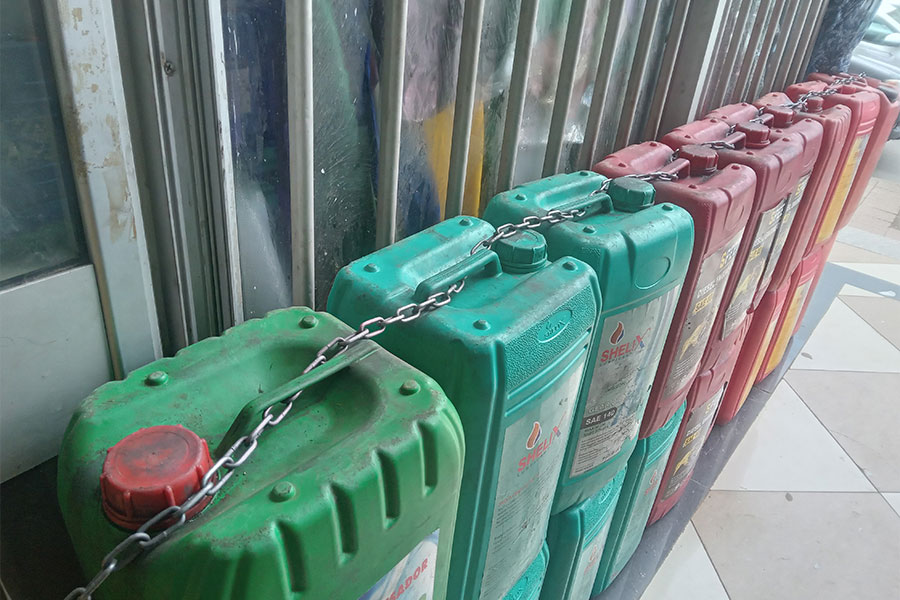
These jerrycans imprisones around Qera, locked in orderly submission, hint at a small-scale drama of fuel security, shopkeepers’ vigilance, and the unspoken tension between convenience and caution. Each cap, a tiny fortress; each chain, a quiet warning, one wrong move and chaos, or at least a very messy day, awaits. With fuel shortages stretching from Addis Abeba to regional capitals like Bahir Dar and Gondar, shopkeepers have resorted to creative measures to safeguard their limited stock. Everyday life meets low-budget defense strategies, proving that even plastic rectangles can teach lessons in discipline, patience, and the art of holding onto what matters.

BAGGED DEFENSE

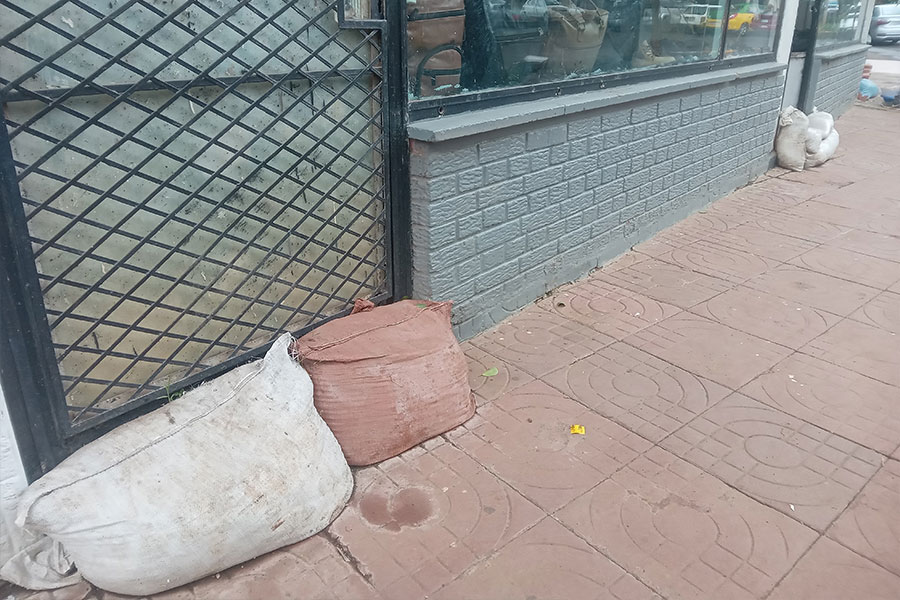
When life gives you rain, some shopkeepers don’t bother with fancy drainage systems or flood-proof engineering, they just toss a few sandbags at the door and hope for the best. Around stadium where recent floods caused serious damage to businesses and offices, a masterclass in “low-budget climate adaptation,” unviels where a couple of lumpy sacks moonlight as the last line of defense between handbags and high water. Think of it as DIY urban resilience, equal parts practical , desperate, and unintentionally decorative.

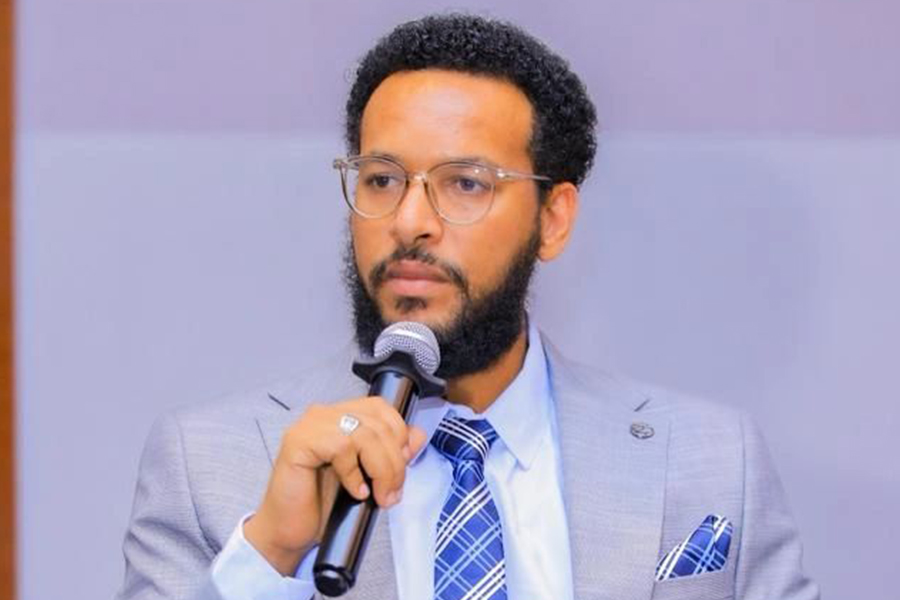
COUNTING CHANGE

From left: Tilahun Girma, partner at PKF Ethiopia; Feysel Takele, managing partner; and lecturer Dakito Alemu (PhD) mark a milestone few firms in the country can claim. The newly established and officially inaugurated audit, tax, and advisory firm opened its doors on August 15, 2025, at their Liberia St. office, opposite Balcha Hospital, Capstone Building. PKF Global operates in over 150 countries, ranks among the top 15 accountancy networks worldwide, and boasts annual revenues exceeding 2.1 billion dollars with more than 21,000 experts. Headquartered in London, UK, the network has 530 offices globally.