
Money Market Watch | May 17,2025



Feb 23 , 2026
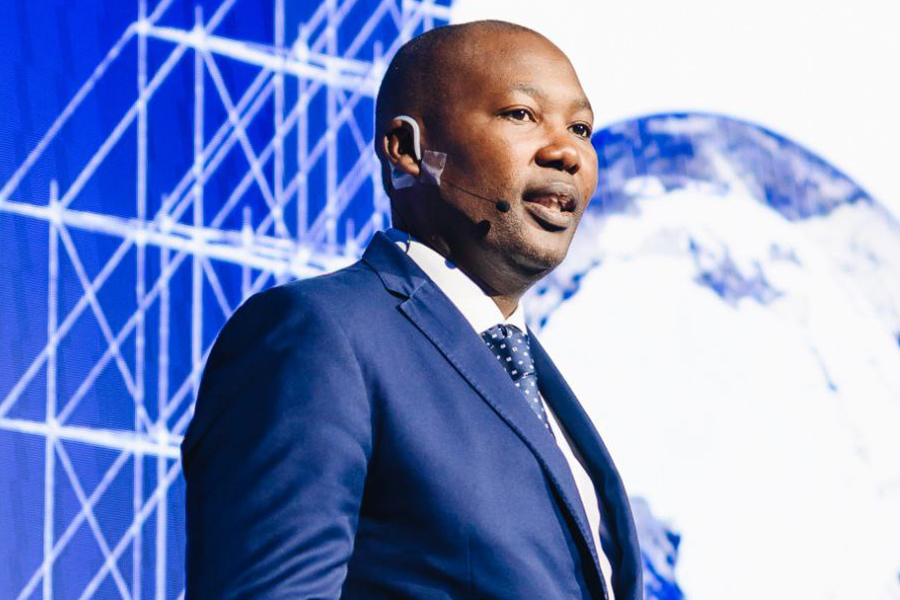
Standard Bank, one of Africa's major financial institutions, has expressed interest in financing the Bishoftu International Airport (BIA).
Under construction 40Km southeast of Addis Abeba, for a projected cost of over 12 billion dollars, the Airport will be a major greenfield mega‑hub planned to replace Addis Ababa Bole as Ethiopian Airlines’ primary hub and to become the largest airport in Africa. When completed in three years, it will handle over 100 million passengers annually year.
According to Standard Bank Chief Executive Officer for Corporate & Investment Banking, Luvuyo Masinda, the Bank is also monitoring opportunities to enter the Ethiopian banking industry. However, he stated the need for policy changes in Ethiopia to "instill confidence before making any moves." He identified foreign currency challenges and the 49pc cap on share purchases in domestic banks as major hurdles.
"Domestic capital formation in Africa is substantial, with estimates suggesting the continent holds approximately four trillion dollars in investable7 capital, including pension funds, insurance assets, sovereign funds, and bank balance sheets," he said addressing the African Market Conference opened today in Cape Town, South Africa. "It remains underutilised, with the majority sitting idle."
However, Masinda attributed uneven mobilisation of capital to regulatory constraints, limited secondary market depth, and project preparation bottlenecks.
"Capital flows are highly responsive to policy credibility," said Masinda.
According to him, consistent fiscal frameworks, transparent debt management practices, independent monetary policy, and reliable regulatory enforcement can reduce risk premiums associated with sovereign and project-level investments. The infrastructure financing gap is estimated to be between 130 billion dollars and 170 billion dollars a year, representing a development constraint and an investment opportunity. Key areas such as transport corridors, power generation and transmission, water systems, digital networks, and logistics infrastructure can provide long-duration cash flows aligned with institutional investor mandates.
"The mobilisation challenge is less about the global supply of capital and more about the quality of the market architecture through which that capital is deployed," said Masinda.
Money Market Watch | May 17,2025

Fortune News | Feb 08,2026

Radar | Dec 27,2025

Fortune News | Jul 03,2024

Radar | Aug 25,2024
Fortune News | Feb 04,2023
Fortune News | Feb 14,2026
Viewpoints | Aug 10,2025
News Analysis | Nov 03,2024

Commentaries | Apr 10,2023

Photo Gallery | 188717 Views | May 06,2019

Photo Gallery | 178574 Views | Apr 26,2019

Photo Gallery | 175178 Views | Oct 06,2021

My Opinion | 140964 Views | Aug 14,2021

May 30 , 2026
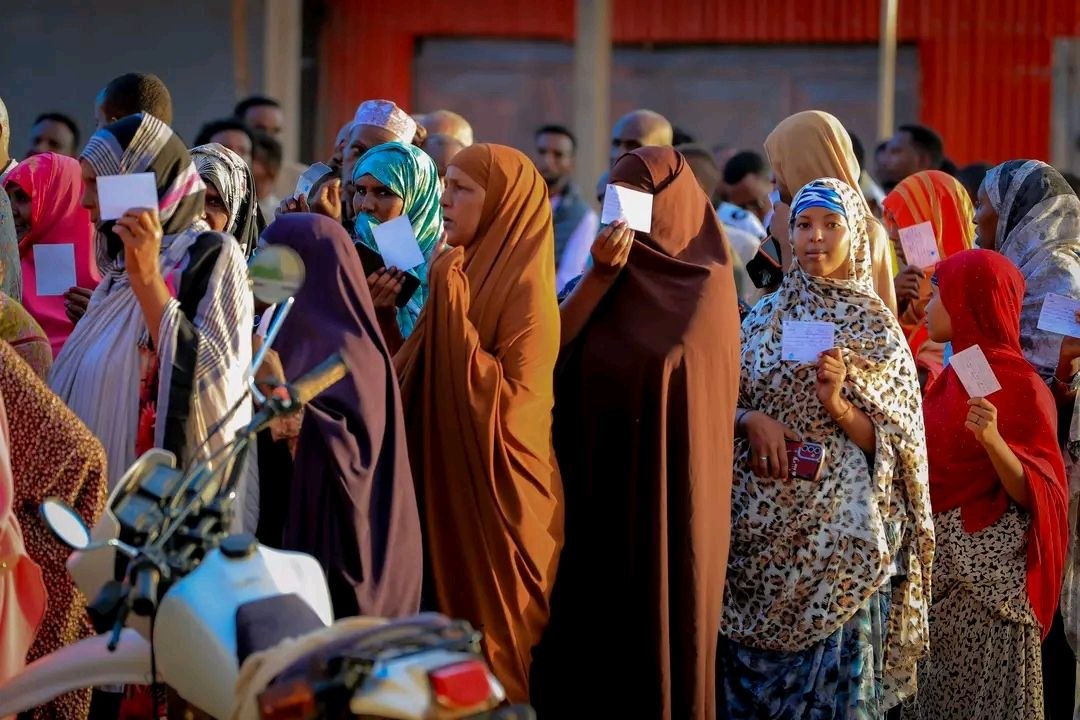
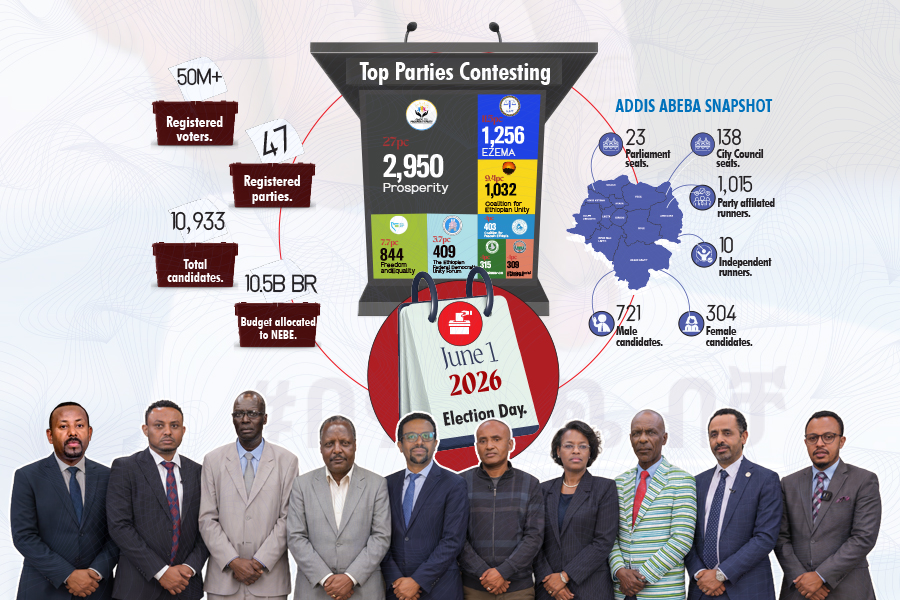
Tomorrow, millions of Ethiopians are expected to vote in the seventh national electio...

May 23 , 2026
An International Monetary Fund (IMF) team has spent weeks in Addis Abeba conducting t...
May 16 , 2026
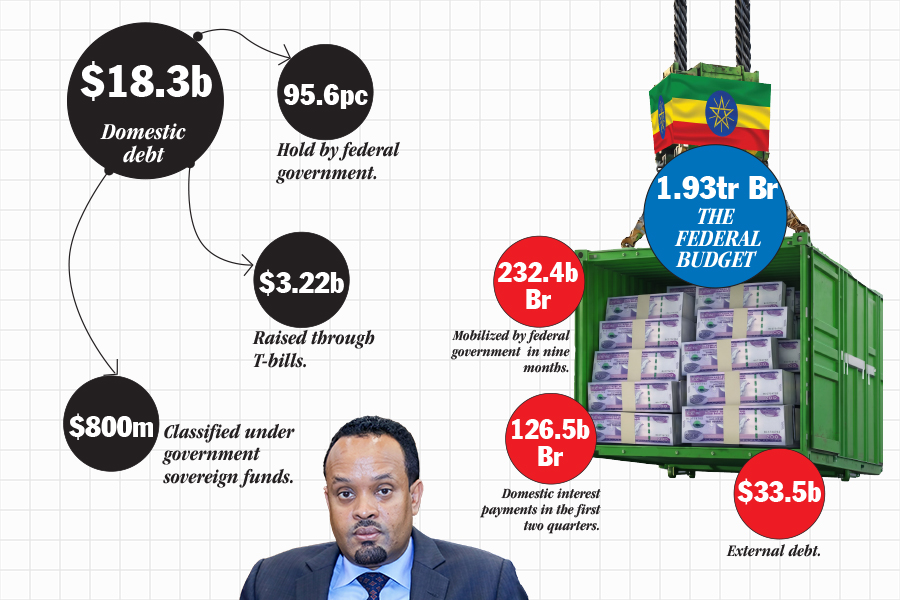
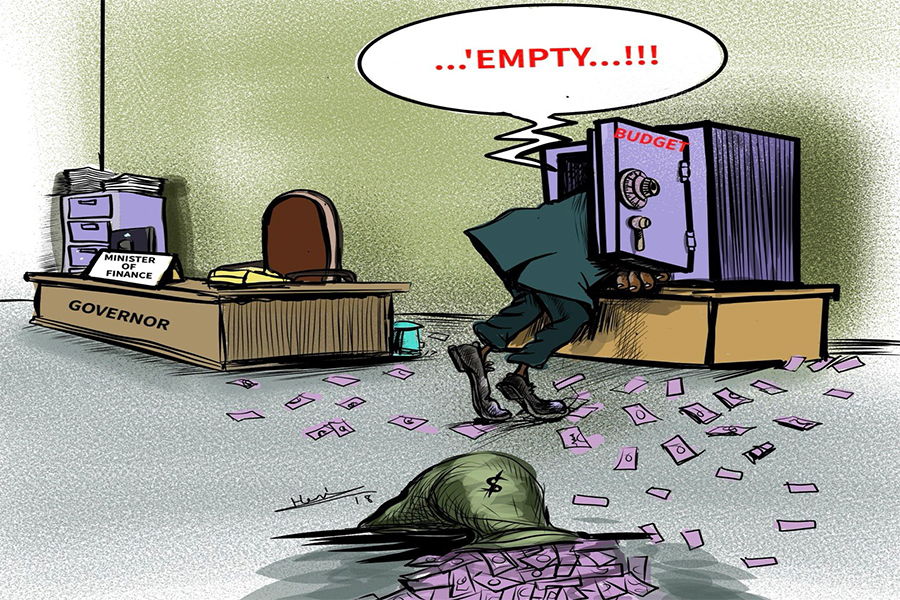
The federal budget tells a troubling story about inflation, debt and reform. The prob...

May 9 , 2026
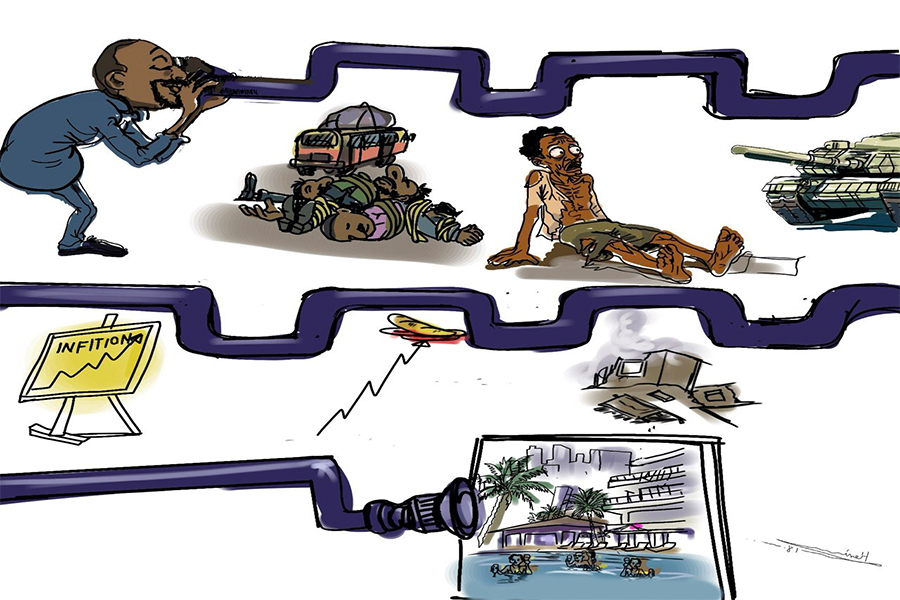
The Ethiopian state appears to have discovered a fiscal instrument that is politicall...





 Loading your updates...