

Photo Gallery | 193853 Views | May 06,2019



May 17 , 2026.
The national poll set for next month has the scale of a vast political exercise, but not yet the atmosphere of one. According to federal electoral officials, 47 parties have fielded 10,933 candidates, registered voters have surpassed 50 million, and the electorate has grown by 32.1pc from the previous poll. Voting is scheduled for June 1, 2026, after a campaign season that opened on January 1 and is due to close this week. Yet the contest appears to be unfolding with unusual quiet. The numbers signal breadth, but the public mood uncovers restraint. Across parts of the country, the visible signs normally associated with campaigning (posters, rallies, sound trucks, public debates and party mobilisation) appear muted or uneven. The elections look expansive on paper, but the campaign trail, as depicted by party leaders, residents and monitors, points to a process weighed down by insecurity, fatigue, logistical constraints and unequal access.
Far from weak enthusiasm, opposition party leaders attributed the problem to a subdued campaign, insecurity, intimidation, weak financing, and barriers that have limited their ability to reach voters. One party representing a community of more than half a million people claimed its candidates were prevented from campaigning, travelling freely, meeting voters or even securing registration cards. The claim captures a wider concern running through the contest. Formal participation has not always translated into political access. Money has become one of the defining pressures. Campaigning costs have risen sharply, driven by vehicle rentals, fuel, sound systems and printing. According to an opposition party, which spends about 143,000 Br a day, a figure that illustrates how quickly the cost of visibility can become prohibitive. Opposition parties have criticised public funding as arriving late and being inadequate. Electoral officials, however, retorted that allocations followed formulas and that no pending campaign support remains undistributed.
The electoral Board itself is operating under a large but strained mandate. It has a federal allocation of 10.5 billion Br to administer the votes, covering registration, materials, procurement, logistics, transport, training and support for independent candidates. It has also distributed regular and campaign support to political parties. Still, the National Election Board of Ethiopia (NEBE), under Melatworq Hailu, acknowledged operational pressure, including procurement bottlenecks, weak warehousing, transport constraints, ICT problems and a possible need for supplementary funding.
PUBLISHED ON
May 17,2026 [ VOL
27 , NO
1359]
Photo Gallery | 193853 Views | May 06,2019

Photo Gallery | 183740 Views | Apr 26,2019

Photo Gallery | 180646 Views | Oct 06,2021

My Opinion | 145998 Views | Aug 14,2021



Aug 28 , 2026
Every year, the Ministry of Education (MoE) sets a national examination. Every year,...
Aug 22 , 2026
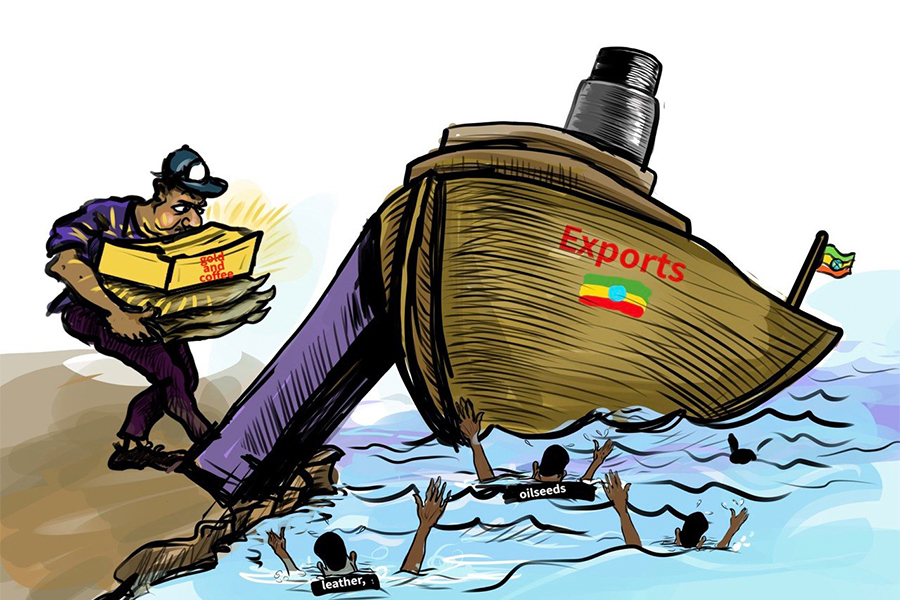
A record is a strange thing to worry about. Federal trade officials have booked the b...
Aug 14 , 2026
Aschalew Fetene, known as “Ardi” and admired for his poetic depth, has built a ti...

Aug 8 , 2026
The World Bank asks readers to picture a mother in rural Ethiopia who has never held...






 Loading your updates...