

Fortune News | Jul 18,2020



Sep 23 , 2020

During tomorrow's meeting, the ruling party TPLF is expected to form a new cabinet. It also expected to nominate Debretsion Gebremichael (PhD) as President of the regional government.
The Tigray Regional State Council is scheduled to convene tomorrow to approve the revised regional election law that will enable opposition parties to secure a non-voting seat in the Council.
The bill is expected to make way for political parties that had participated in the elections but did not manage to win a seat to participate in the Council's hearings without voting rights. The new law entitles these opposition parties to propose an agenda and bills; present a motion; and make policy suggestions, as well as nominate appointees.
With the new law, the opposition bloc will secure six percent to 10pc of the 190 seats of the Council. Political parties that have received two seats or less will be able to participate through this modem of participation, according to the draft law.
The parties will get the non-voting seats depending on the number of votes they received during the regional election that was held at the beginning of this month. Regardless of the number of votes they received during the elections, the parties will be able to secure at least one seat at the Council.
During the regional elections that saw the participation of five parties, the ruling Tigray People’s Liberation Front (TPLF) secured the highest vote tally followed by the National Congress of Tigray (Baytona). Tigray Independence, Assimba Democratic and Salsay Woyane Tigrai parties took the remaining votes.
Earlier this week, the parties, state council representatives, and regional electoral commission members have been in discussions to map out a plan to involve the parties in the affairs of the regional government. However, the parties had not reached a conclusive agreement ahead of tomorrow's Council session, according to sources close to the case.
The Electoral Commission of the Regional State, unrecognised by the federal government, is also expected to present a two-month report about the elections process ahead of the formation of a new state government.
Gebremeskel Hailu, an associate professor in constitutional law at Meqelle University, says the revised law could be the state of a new dynamic in the Council.
“This will be a good opportunity for parties in the house to gain visibility and influence government while contributing to a more vibrant deliberation,” he said.
Fortune News | Jul 18,2020

Radar | Mar 11,2024

Fortune News | Nov 23,2019
Editorial | Jun 04,2022
Radar | Mar 20,2021
Verbatim | Sep 26,2021

Fortune News | Sep 04,2021
Covid-19 | Apr 08,2020
Commentaries | May 30,2026
Radar | Feb 22,2020

Photo Gallery | 188717 Views | May 06,2019

Photo Gallery | 178574 Views | Apr 26,2019

Photo Gallery | 175178 Views | Oct 06,2021

My Opinion | 140964 Views | Aug 14,2021

May 30 , 2026
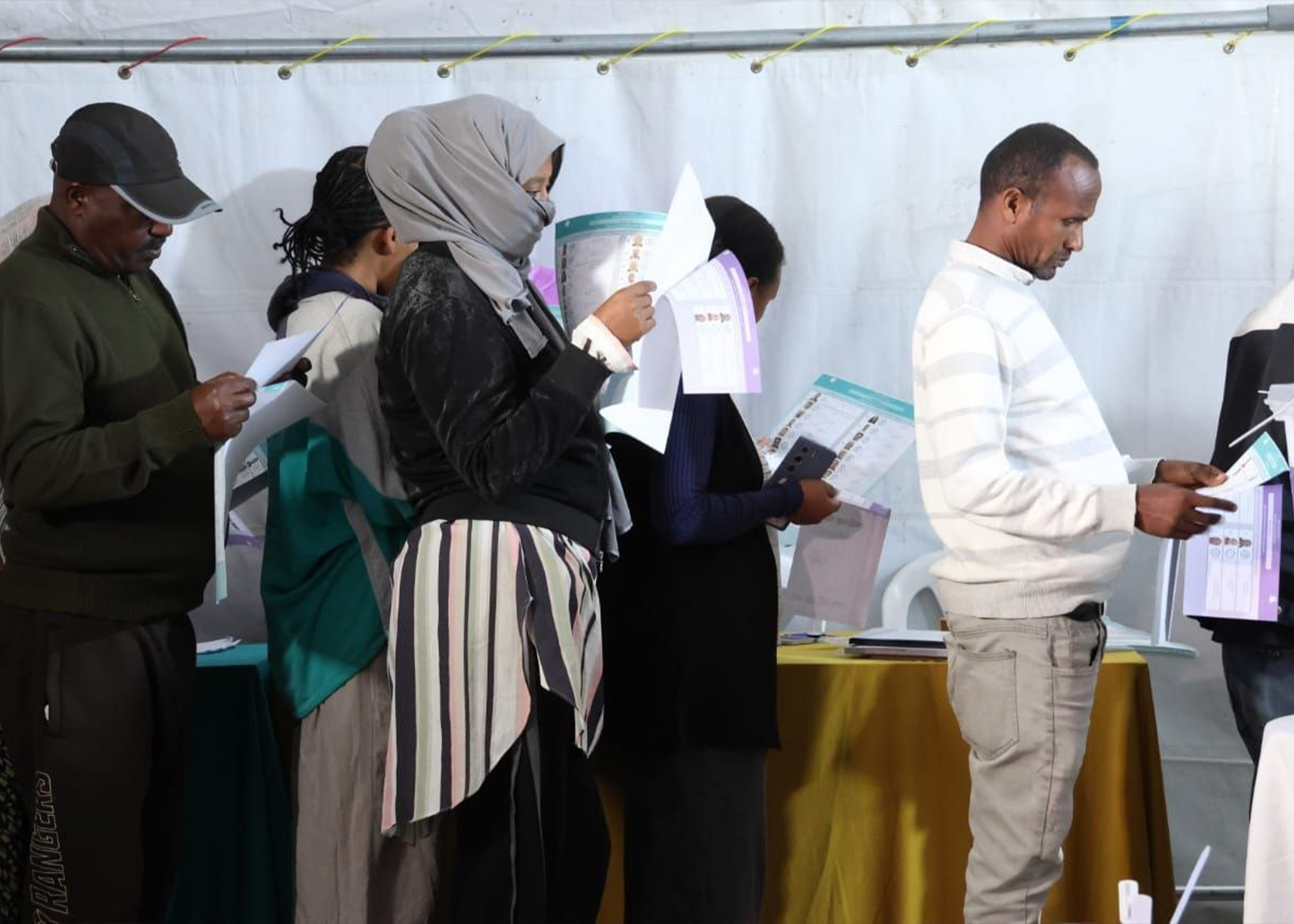
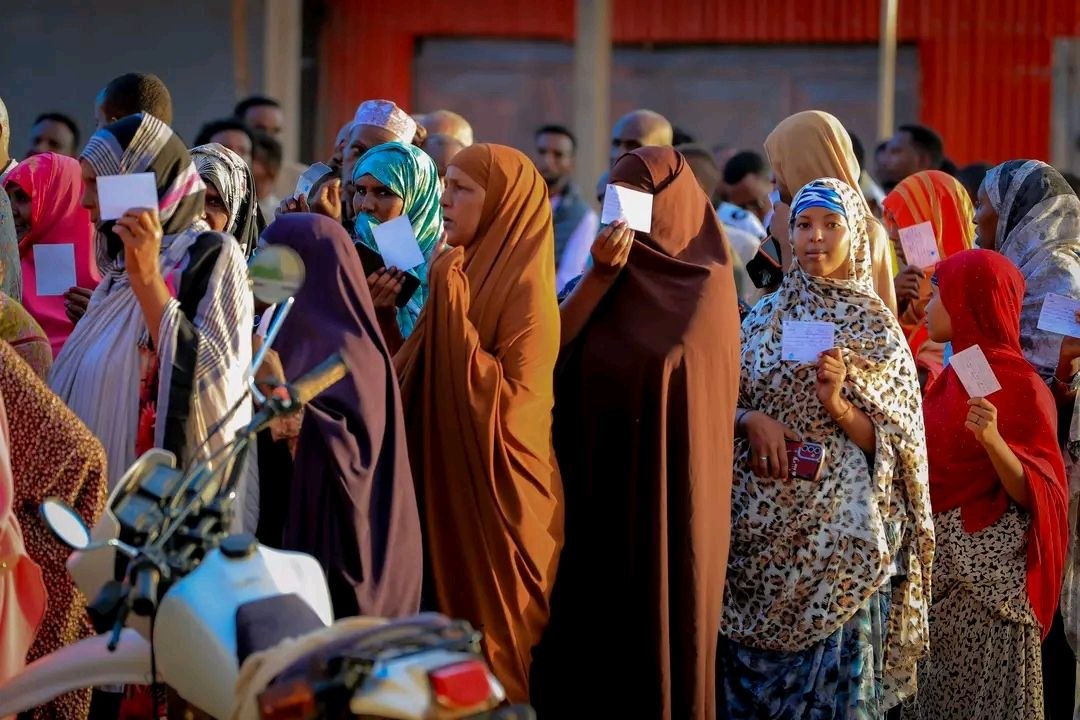
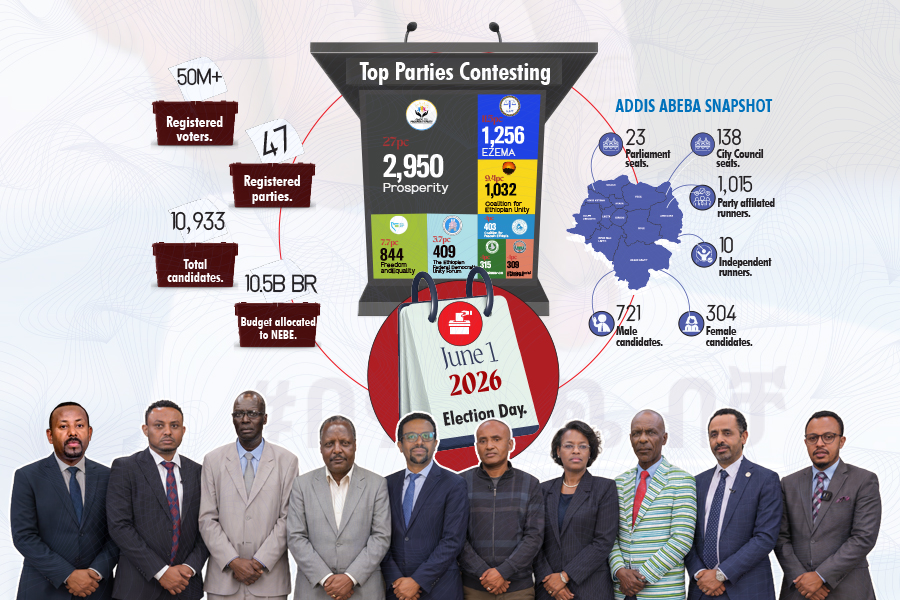
Tomorrow, millions of Ethiopians are expected to vote in the seventh national electio...
May 23 , 2026
An International Monetary Fund (IMF) team has spent weeks in Addis Abeba conducting t...
May 16 , 2026
The federal budget tells a troubling story about inflation, debt and reform. The prob...
May 9 , 2026
The Ethiopian state appears to have discovered a fiscal instrument that is politicall...





 Loading your updates...