
Radar | Sep 06,2020



Apr 2 , 2026
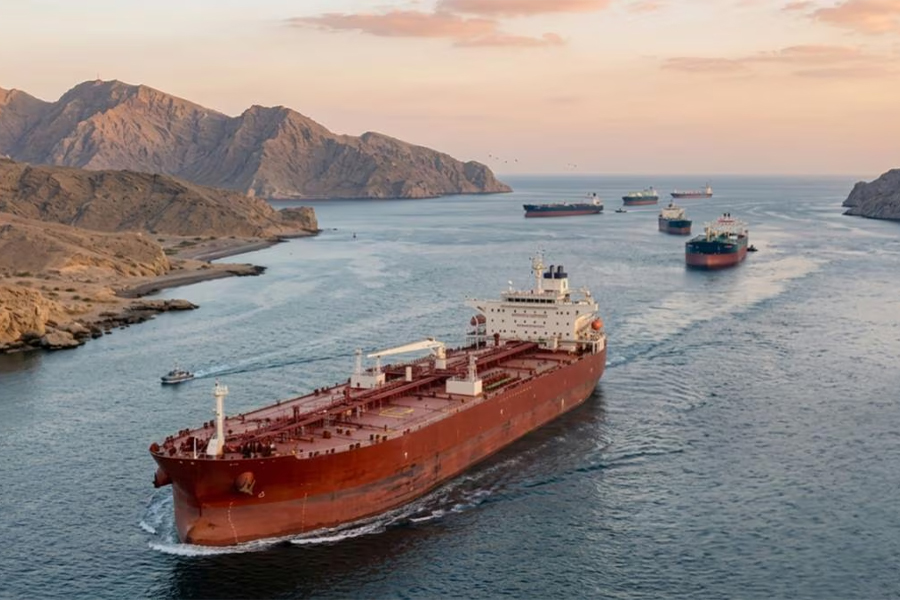
A geopolitical bottleneck at the Strait of Hormuz has left Ethiopia staring at a fuel squeeze with immediate economic and fiscal consequences, after three vessels bound for the country, carrying 120,000tns of diesel and 60,000tns of jet fuel, were stranded in the Arabian Gulf.
For a country that procures fuel through a combination of government-to-government agreements and international competitive bidding, the disruption has exposed how quickly a distant conflict can choke domestic supply, scramble procurement plans, and force the economy deeper into an already costly subsidy regime.
The closure of the Strait of Hormuz, a critical artery for a fifth of the world’s crude oil, has halted the daily flow of 140 million barrels from major producers such as Saudi Arabia, Kuwait, and the United Arab Emirates (UAE).
For Ethiopia, which depends wholly on imported petroleum, the fallout has been immediate. Under a standing agreement with Kuwait, the country sources 60pc of its diesel and all of its jet fuel from the Gulf country, while the remaining requirements are met through international tenders.
A long-term contract with Kuwait, running through December 2026, sets logistics premiums at 9.25 dollars a barrel, subject to annual negotiations, according to a statement thd Ministry of Trade & Regional Integration (MoTRI) issued today, April 2, 2026. But the closure of Kuwaiti supply lines has forced Ethiopia into the spot market, where emergency purchases are coming at far steeper costs.
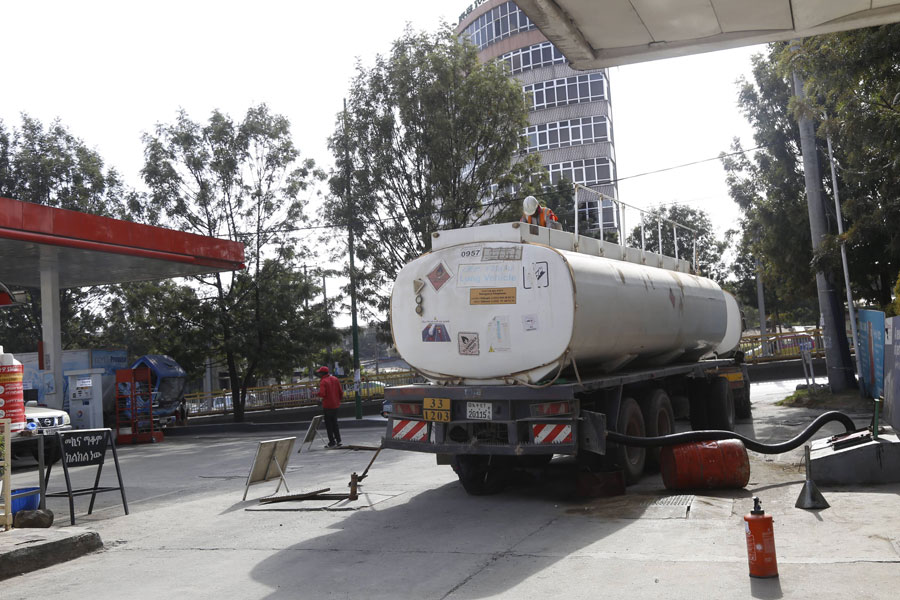
The abrupt shift is now visible on the long queues in Addis Abeba where lines snake as long as 2.5Km, compelling motorists spend all nights.
Recent emergency tenders saw premiums soar to 86.33 dollars a barrel for jet fuel and 92.88 dollars for diesel, a surge from the 10.99 dollars and 13.99 dollars premiums currently charged by Vitol, the firm that won the latest annual tender on 360-day credit terms. What had been a relatively predictable procurement structure under long-term supply arrangements has been replaced by costly short-term buying, as international oil prices have been pushed higher by the conflict in the Middle East that began in late February.
The consequences have cascaded into the domestic market, where the widening gap between international purchase prices and local retail rates has driven the federal government’s subsidy burden to over 272 billion Br. Before the latest adjustment, the state was subsidising 95 Br for every liter of diesel sold at 139.84 Br, and 42 Br for every liter of gasoline sold at 132.18 Br. Federal officials warn that maintaining that level of support was no longer sustainable, a conclusion that culminated in a fresh round of price hikes announced by the Trade Ministry, effective yesterday, April 1, 2026.
Under the new tariff, gasoline price at gas station jumped to 142.21 Br a liter, while diesel climbed to 163.09 Br. Kerosene is now priced at 151.39 Br, and jet fuel at 150.48 Br. Even after the increase, Trade officials say the state continues to subsidise diesel by 71 Br a liter and gasoline by 32 Br. Without the subsidies, Trade officials claim that diesel would cost 234.17 Br and gasoline 174.40 Br a litre.
Ministry officials have argued that, despite the hikes, Ethiopia’s fuel remains cheaper than in neighboring countries, where diesel prices range from 1.09 dollars in Tanzania to 1.74 dollars in Djibouti, compared to Ethiopia’s 1.03 dollars.
However, what is emerging is not only a price adjustment but a rationing regime. The Minister Kassahun Gofe (PhD) has introduced a priority system for diesel as he tries to stretch reduced supplies across the economy.
Top priority will be given to fuel tankers, export and import logistics, manufacturing industries, mechanised farms, and public transport. Health services, telecommunications, and humanitarian operations are also high on the list.
The Minister told Parliamentarians this week that he has established a task force to oversee distribution, while calling for public cooperation and conservation as he attempts to navigate the supply crisis.
Radar | Sep 06,2020
Radar | Aug 17,2025
Fortune News | Apr 06,2019
Radar | May 18,2024

Life Matters | Oct 23,2021
Fortune News | Jan 22,2022

Fortune News | Apr 12,2020
Editorial | Feb 16,2019

View From Arada | Feb 22,2020

Viewpoints | Mar 21,2020

Photo Gallery | 188139 Views | May 06,2019

Photo Gallery | 178093 Views | Apr 26,2019

Photo Gallery | 174662 Views | Oct 06,2021

My Opinion | 140603 Views | Aug 14,2021




May 30 , 2026
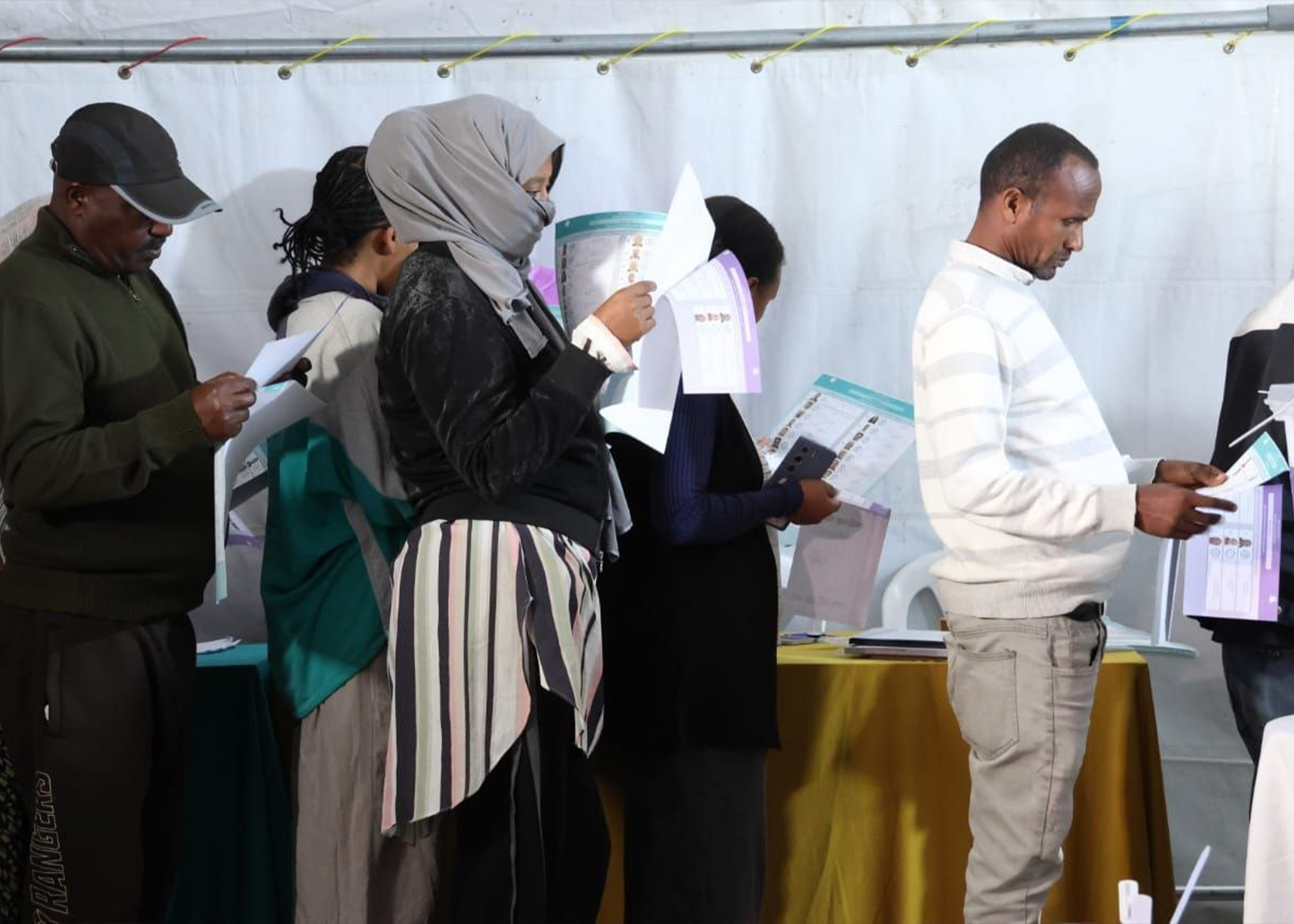
Tomorrow, millions of Ethiopians are expected to vote in the seventh national electio...
May 23 , 2026
An International Monetary Fund (IMF) team has spent weeks in Addis Abeba conducting t...
May 16 , 2026
The federal budget tells a troubling story about inflation, debt and reform. The prob...

May 9 , 2026
The Ethiopian state appears to have discovered a fiscal instrument that is politicall...





 Loading your updates...