

Viewpoints | Apr 13, 2025



Dec 30 , 2023
By Yemanebrhan Kiros
The importance of energy management in the manufacturing sector cannot be overstated. Its implications for economic viability, environmental sustainability, and operational efficiency are profound. As the world is consumed with worries of energy scarcity and climate change, the role of energy managers emerges as a critical component in shaping a viable future, writes Yemanebrhan Kiros (yomemech@gmail.com), manager at Yomener Energy Auditing & Engineering Plc.
In the contemporary industrial terrain, energy remains a crucial yet often understated factor. Its integral role in production, particularly in the manufacturing sector, directly correlates with the Gross Domestic Product (GDP), beckoning a deeper examination of energy access, distribution, and utilisation. These are areas which merit the same rigour of management commonly reserved for other critical resources like materials, human resources, and finances.
The manufacturing sector is intrinsically tied to energy consumption. The costs of energy, not merely in monetary terms but also its environmental impact and potential for misuse, require a strategic approach. Energy, much like any other resource, is measurable and controllable. Yet, the concept of energy management often remains underutilised or overlooked, in contrast to the established practices of resource management.
The absence of such systematic energy oversight can lead to operational inefficiencies and economic vulnerabilities.
Implementing an energy management system, however, can yield substantial benefits. It not only contributes to reducing production costs and improving business competitiveness but also plays a crucial role in reducing emissions. It addresses constraints associated with energy distribution and power quality issues, particularly in the use of electrical energy. The repercussions of poor energy management extend beyond inflated production costs. They manifest in the reduced lifespan of production machinery, frequent production interruptions, and escalated maintenance expenses.
The lack of awareness surrounding energy consumption and efficiency, especially in appliances and equipment procurement, further exacerbates these issues. Such is an oblivion that leads to higher energy expenses and demands larger capacities for backup power solutions like generators. The failure to prioritise energy efficiency in household appliances and factory equipment is a glaring oversight in energy management.
Seemingly insignificant issues like leaking pipes in pump systems, unoccupied but active fans, and unnecessary lighting contribute substantially to energy wastage. These inefficiencies often go unnoticed or are underestimated by maintenance staff and technicians. The role of an energy manager, tasked with quantifying these losses and identifying economically viable maintenance and loss-prevention strategies, is critical.
The situation is particularly acute in factories and plants in Ethiopia, where energy wastage is rampant across all systems, be it electrical or thermal. Common occurrences like leaking steam or compressed air are often dismissed as normal in the hustle of production. This nonchalant attitude towards energy wastage, compounded by a lack of awareness and prioritisation, contributes to a significant loss at the national level.
These losses are far from being theoretical; they are quantifiable and exceed the production capacity of several hydropower plants, accounting for a substantial share of the overall fuel imports.
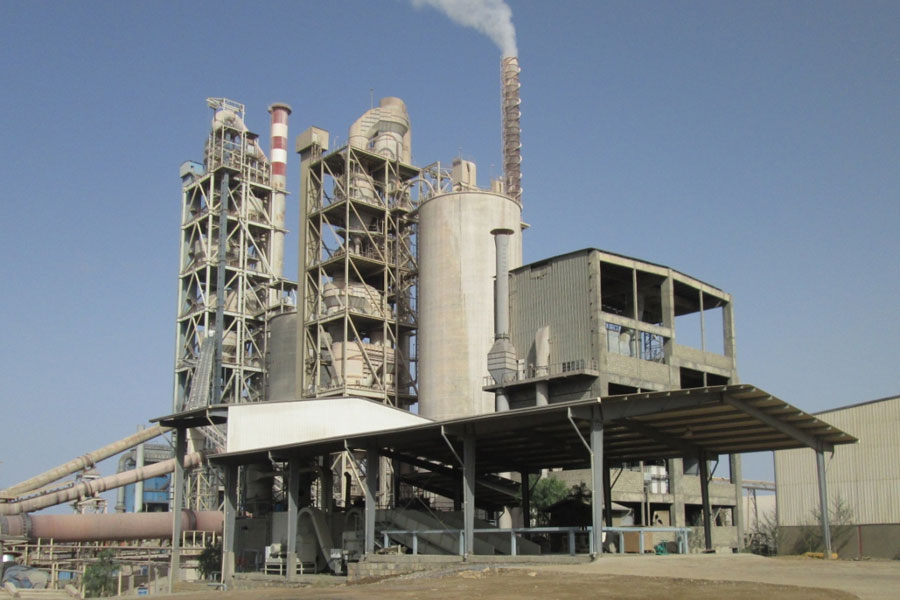
Reducing energy wastage can have far-reaching implications, directly impacting import dependencies and bolstering currency reserves. Improved energy distribution and accessibility also open avenues for exporting electrical energy to neighbouring countries, supplementing national revenue streams. In industries such as cement plants, power interruptions put pressure on using additional energy sources like coal to maintain operational temperatures, leading to increased production costs and market prices.
However, it is essential to recognise that power interruptions are not always a result of energy scarcity. Often, they stem from inadequate distribution systems and sudden surges in demand.
An effective energy management system can address these issues, yet the question remains: how much more energy must be wasted before the implementation of such a system becomes a priority?
Energy management should not be about controlling consumption. It should encompass the installation of control mechanisms and reporting systems for prompt action. Energy managers are expected to propose energy-efficient solutions and conduct cost-benefit analyses to justify their implementation. An energy management system's role in mitigating the rising energy costs is vital. By improving operational efficiency, facility energy managers can reduce energy costs without compromising production or service quality.
Globally, the energy management profession is gaining traction as energy costs rise and its availability becomes increasingly constrained. Concerns over global warming and environmental impacts drive the shift towards energy efficiency through robust energy management practices. The change must be mirrored on both sides of the energy meter, with state-owned utility providers addressing distribution losses and consumers watching consumption without impacting their services or production.
The potential energy savings from effective energy management represent a clean and readily available energy source, enhancing distribution capabilities. A paradigm shift is essential, where energy is not perceived merely as an overhead cost but as a controllable and manageable resource. There are many opportunities for energy savings in industries, distribution systems, households, and buildings. These can translate into significant profitability for business owners, contingent on the presence of well-trained and competent energy managers.
PUBLISHED ON
Dec 30,2023 [ VOL
24 , NO
1235]

Viewpoints | Apr 13, 2025

Radar | Sep 10,2023

Fortune News | May 20,2023
Fortune News | Feb 03,2024
Radar | Sep 27,2025

Radar | May 03,2025
Editorial | Nov 29,2025

Agenda | Jul 27,2019
Viewpoints | Sep 21,2019

Featured | Dec 19,2018

Photo Gallery | 193358 Views | May 06,2019

Photo Gallery | 183242 Views | Apr 26,2019

Photo Gallery | 180049 Views | Oct 06,2021

My Opinion | 145479 Views | Aug 14,2021









Dec 22 , 2024 . By TIZITA SHEWAFERAW
Charged with transforming colossal state-owned enterprises into modern and competitiv...

Aug 18 , 2024 . By AKSAH ITALO
Although predictable Yonas Zerihun's job in the ride-hailing service is not immune to...

Jul 28 , 2024 . By TIZITA SHEWAFERAW
Unhabitual, perhaps too many, Samuel Gebreyohannes, 38, used to occasionally enjoy a couple of beers at breakfast. However, he recently swit...

Jul 13 , 2024 . By AKSAH ITALO
Investors who rely on tractors, trucks, and field vehicles for commuting, transporting commodities, and f...

Aug 14 , 2026
Aschalew Fetene, known as “Ardi” and admired for his poetic depth, has built a ti...

Aug 8 , 2026
The World Bank asks readers to picture a mother in rural Ethiopia who has never held...

Jul 31 , 2026
Weldu Yiheysh has not read the Pacific temperature charts. He does not need to. In Shibta District of Enderta Wereda, in...

Jul 25 , 2026
Ideally, citizens who have paid income tax all year should not have to reach for thei...
Aug 15 , 2026 . By NAHOM AYELE
Federal prosecutors have charged seven defendants over a set of foreign-trade deals t...
Aug 15 , 2026 . By BEZAWIT HULUAGER
Ethio-post is preparing to turn its thousands of branches into banking agents, allowi...
Aug 18 , 2026 . By BEZAWIT HULUAGER
Kassahun Gofe (PhD), minister of Trade & Regional Integration (MoTRI), is prepari...

Aug 16 , 2026 . By NAHOM AYELE
Justices at the Federal Supreme Court widened the shield they are holding over lawyer...







 Loading your updates...