

Viewpoints | Apr 10,2023



Jan 30 , 2026
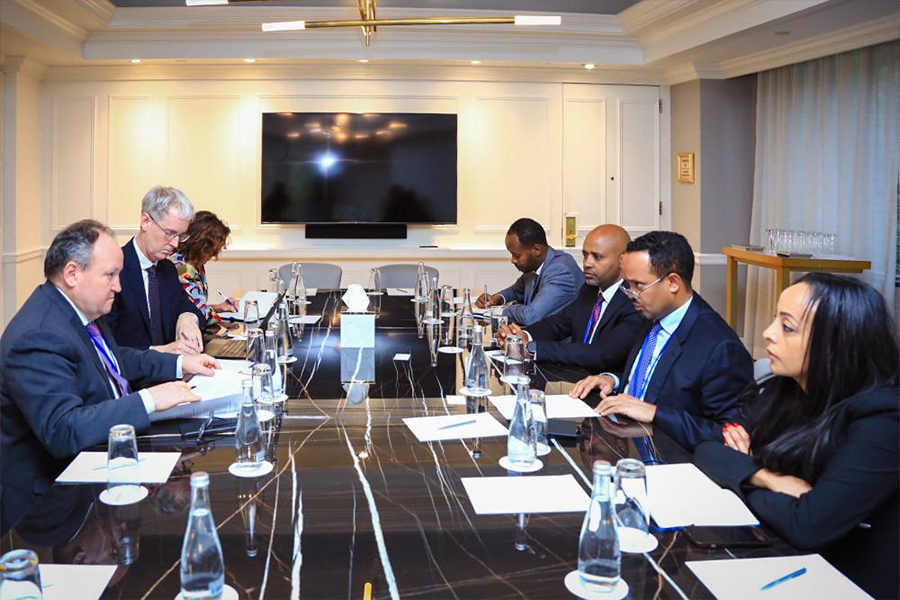
Ethiopia has pulled its negotiators from talks with private bondholders, marking a sharp escalation in a debt restructuring process that has already stretched the patience of investors and official lenders alike.
In a statement issued today,January 29, 2026, the Ministry of Finance confirmed that the government “can no longer proceed with the current restructuring proposal,” after official creditors rejected the terms offered to holders of Ethiopia’s one billion dollar Eurobond. The decision effectively freezes negotiations with private investors and throws the country’s broader debt workout back into uncertainty.
At issue is a widening rift between two powerful creditor camps.
The Official Creditor Committee, a group of sovereign lenders led by China and Western governments operating under the G20 Common Framework, are facing private investors, such as asset managers and hedge funds, that lent to Ethiopia through its lone Eurobond.
Ethiopia had reached an agreement in principle with those investors last year, a deal that included maturity extensions and a “value recovery instrument” that would offer upside payments if the economy rebounds. Official creditors, however, judged the proposal “too generous,” arguing that bondholders were being asked to give up far less than governments already had.
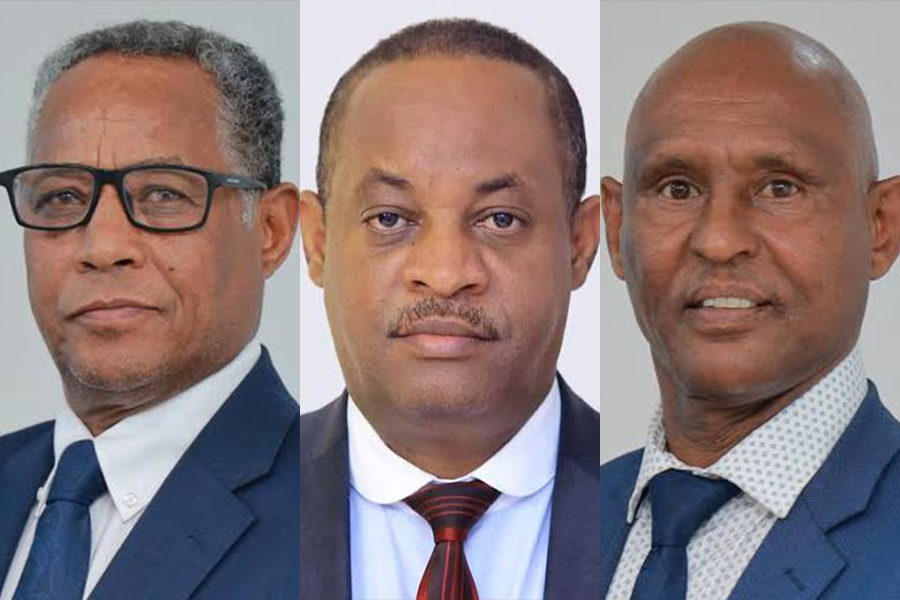
That verdict left Ethiopia’s debt negotiators led by Ahmed Shide, finance Minister, and Eyob Tekalegn (PhD), the Central Bank governor, boxed in.
Under IMF rules, debt relief must meet the test of “comparability of treatment,” ensuring no creditor group emerges better off at another’s expense. With official lenders refusing to endorse the bondholder deal, Minister Ahmed and Governor Eyob faced a choicebetween reopening talks on harsher terms, or walk away.
They chose the latter.
Accoridng to a statement issued by the Finance Ministry,Ethiopia “should first secure a restructuring that aligns with commitments already made by official creditors and meets the requirements of its IMF-supported reform programme.” Without such alignment, the statementwarned, “it risks undermining macroeconomic stabilisation and delaying access to critical external financing.”
Negotiations are expected to resume eventually, but only after private creditors accept tougher terms, either through larger upfront haircuts, longer binding maturities or a sharply reduced role for performance-linked “bonus” instruments.
Viewpoints | Apr 10,2023
Viewpoints | Feb 13,2021
Viewpoints | Jun 22,2024

Fortune News | Aug 17,2025
Viewpoints | Aug 17,2019
Fortune News | Jul 17,2022
Radar | Feb 28,2026
In-Picture | Aug 30,2025

Agenda | Jun 21,2026
Fortune News | Feb 08,2020

Photo Gallery | 193402 Views | May 06,2019

Photo Gallery | 183291 Views | Apr 26,2019

Photo Gallery | 180104 Views | Oct 06,2021

My Opinion | 145528 Views | Aug 14,2021


Aug 14 , 2026
Aschalew Fetene, known as “Ardi” and admired for his poetic depth, has built a ti...

Aug 8 , 2026
The World Bank asks readers to picture a mother in rural Ethiopia who has never held...
Jul 31 , 2026
Weldu Yiheysh has not read the Pacific temperature charts. He does not need to. In Shibta District of Enderta Wereda, in...
Jul 25 , 2026
Ideally, citizens who have paid income tax all year should not have to reach for thei...






 Loading your updates...