


Jun 4 , 2026
National elections delivered the calm many feared might prove elusive, but not the confidence of a system free of pressure, according to domestic, regional and continental observers. According to these observers, the votes were “peaceful and orderly”.
However, their early verdict exposed the limits of an electoral machinery tasked with carrying national participation amid insecurity, logistical shortfalls, and institutional fatigue.
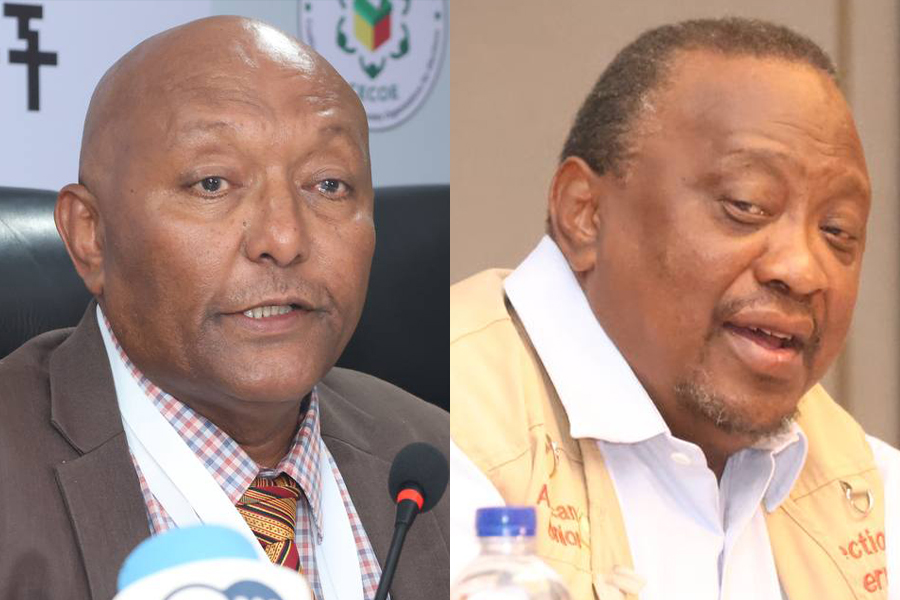
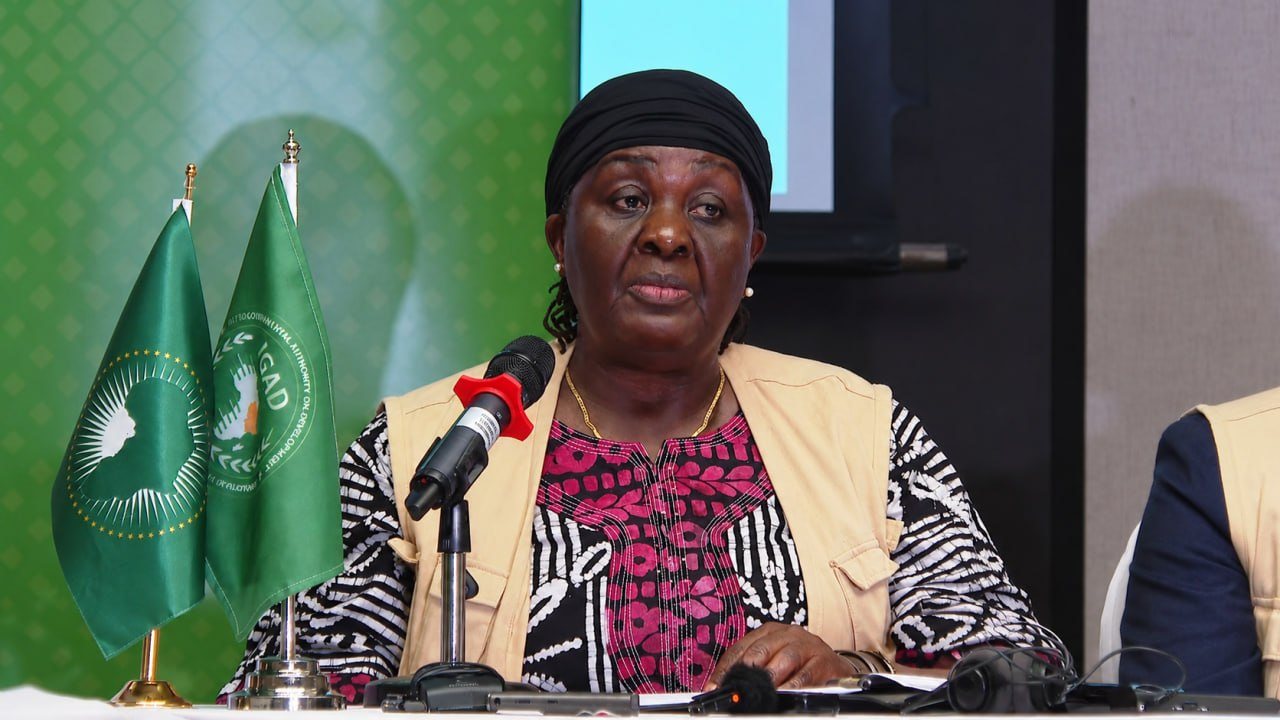
The Coalition of Ethiopian Civil Society Organisations for Elections (CECOE) and the African Union Election Observation Mission, the latter headed by Uhuru Kenyatta, former president of Kenya, released their respective preliminary findings yesterday, June 3, 2026.
Both offered neither criticism nor endorsement but portrayed an election that worked in many places, but unevenly, under pressure, and with enough procedural failures to matter in a contested political environment.
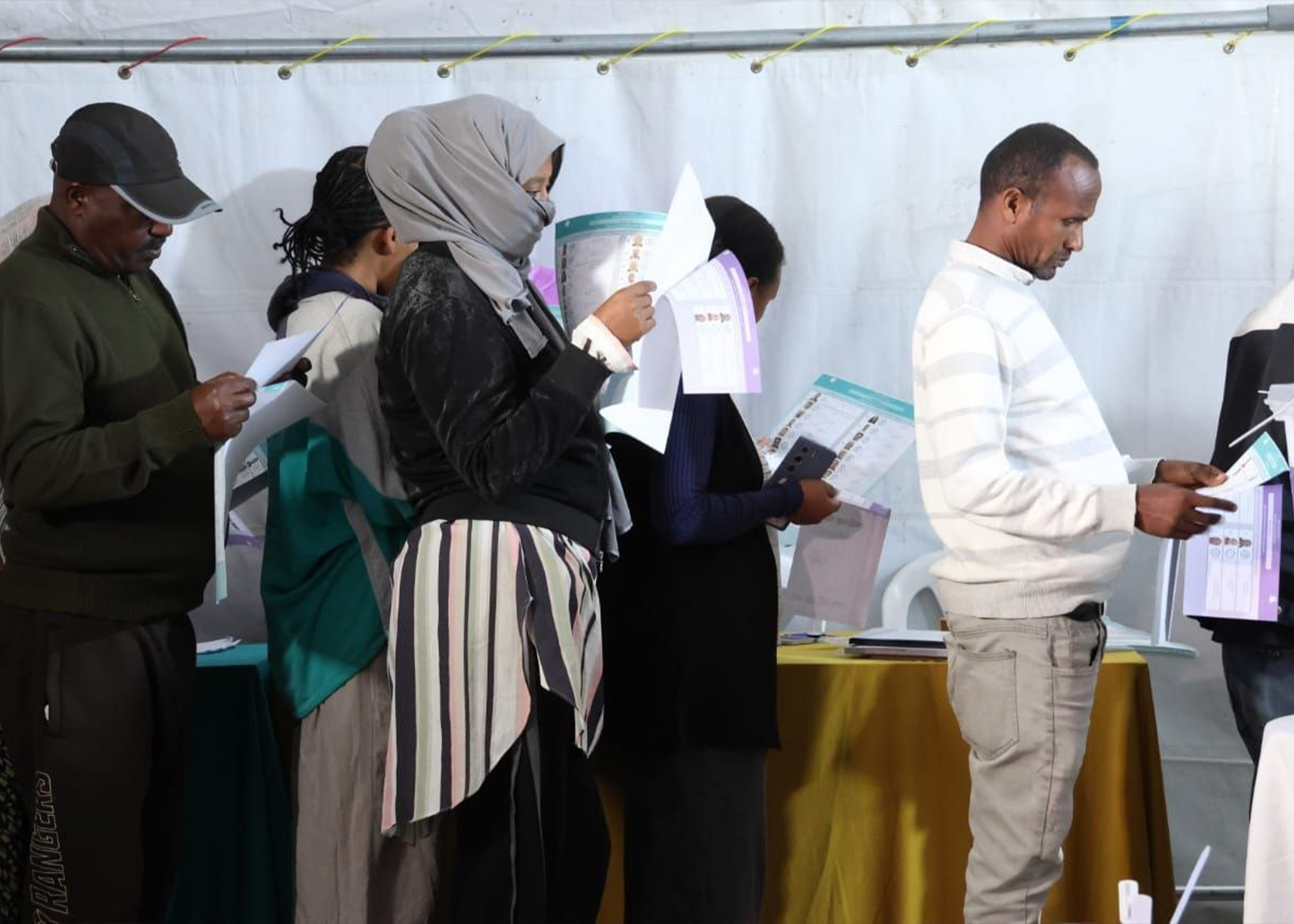
According to the Coalition, the country’s largest domestic observer group, voting proceeded without interruption in about 98pc of the polling stations its members monitored. The African Union Mission also called the environment “calm”, crediting election officials with “professionalism” and voters with “patience” as long queues formed.
However, neither monitor offered a clean bill of health, stating that the electoral system held together only after being stretched to its edge.
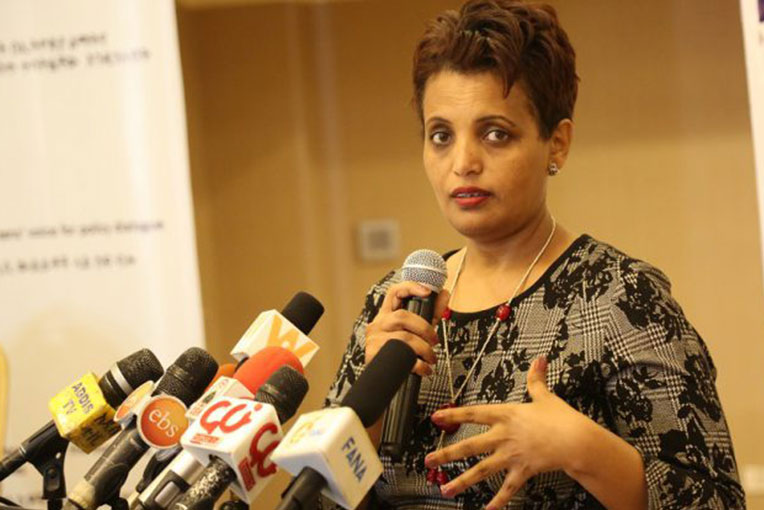
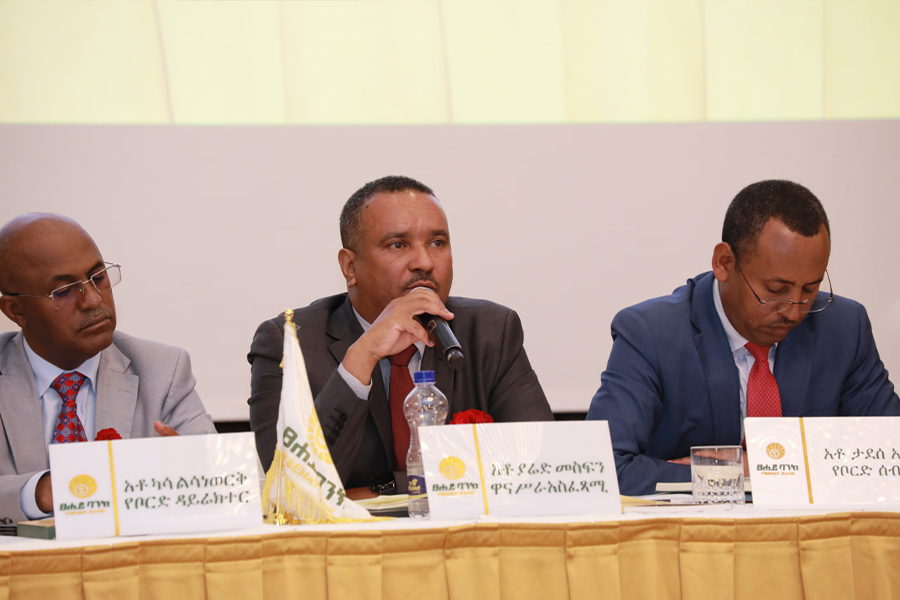
Presenting its preliminary findings at the Golden Tulip Hotel near Bole Medhanialem Church, where Sahlesillasie Abebe, the Coalition’s Board Chairman, faced a packed room of journalists and cameramen, stated that it did not have the mandate to pronounce on the fairness or legitimacy of the results.
The Coalition deployed 3,373 monitors, including 867 mobile observers, covering only 15pc of the over 52,000 polling stations across the country, but the Tigray Regional State, eight in Amhara Regional State and five in areas where jurisdictions are disputes. It documented shortfalls that could become politically consequential if the results are disputed.
Sahlesellasie disclosed that electoral officials at three polling stations denied entry to observers accredited on the Coalition’s behalf.
“In seven others, observers could not verify whether ballot boxes had been inspected and confirmed empty before voting began at 6:00am,” he said. “Observers in 27 polling stations were instructed to leave polling compounds while voting was underway. Another 16 were told to leave when vote counting began.”
The Coalition also recorded campaign posters, materials or political activity within the 200 metre exclusion zone around 11 polling stations, a breach of electoral regulations. However, he did not identify the parties involved.
The most alarming findings concerned voter identification and ballot secrecy. In 130 polling stations, the Coalition disclosed that between one and 10 people were allowed to vote despite lacking proper identification or not appearing on registration lists. In eight stations, more than 10 people were reportedly allowed to vote under similar circumstances.
At the same time, eligible voters were denied ballots despite having voter identification and appearing on the voter rolls at 46 polling stations. At two stations, more than 10 voters were affected.
Ballot secrecy, a core protection in any credible election, was compromised in 151 polling stations where between one and 10 voters were affected, the Coalition disclosed. In another 18 stations, more than 10 voters were affected.
“Reported breaches included individuals following voters into booths or asking to see completed ballots,” said the statement.
The African Union Mission, comprising former Nigerian Foreign Minister Geoffrey Onyeama, praised the deployment of domestic observers and the availability of essential materials in most stations.
Unlike the Coalition, it reached a broader but complementary conclusion. Its observers reported that voters were turned away in three percent of polling stations visited, “because they had gone to the wrong station or their names could not be found on the official register.”
Polling was suspended in 46 constituencies, while about 6,400 polling stations remained inactive during the registration period. Congestion became the election’s visible pressure point, where the AU Mission singlled out the threshold of 1,500 voters a polling station as too high for efficient management.
According to Kenyatta, the figures are “undoubtedly too high,” stating that it strained polling workers, clogged facilities and, “in some cases, compromised ballot secrecy.”
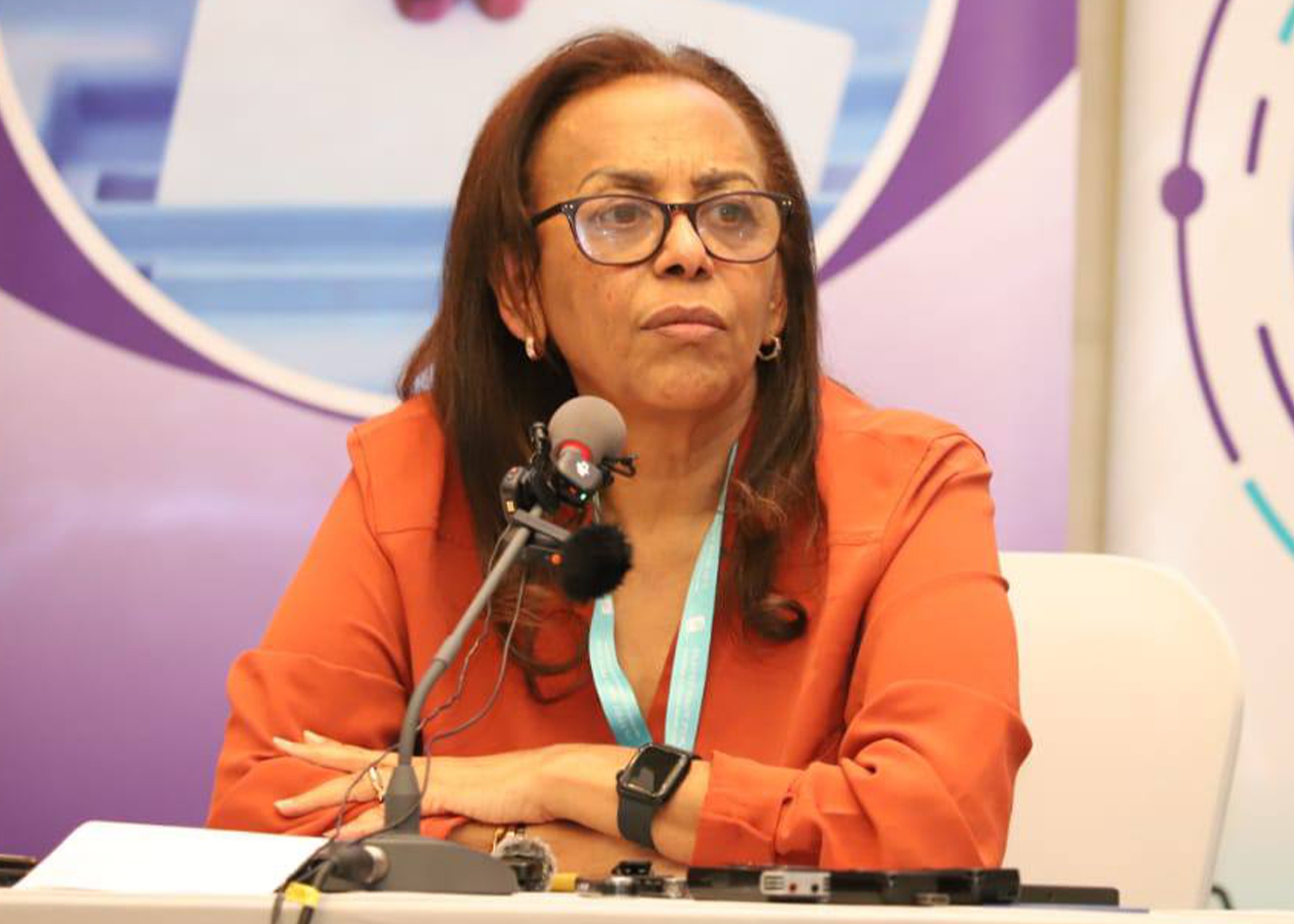
Melatwerk Hailu’s decision, as chairwoman of the National Election Board of Ethiopia (NEBE), to extend voting by six hours until midnight helped prevent voters still waiting in line from being disenfranchised.
But observers noted that the extension carried costs, as polling staff faced extreme fatigue, while counting became harder in stations with poor lighting, including tents.
The Coalition similarly reported that counting began on a different day in 59 polling stations and was conducted away from the voting location in another 59, with officials citing fatigue and special circumstances.
The Coalition also disclosed that “counting was not free from irregularity” as its observers recorded interruptions in 34 polling stations, while in 26 stations, counting had not yet taken place when its report was compiled. In 12 polling stations, observers reported interference and threats directed at polling workers during counting.
“In 77 polling stations, polling workers were seen marking ballot papers,” the Coalition disclosed.
The presence of party representatives was uneven. Party agents were present in 65pc of the polling stations the Coalition observed. But Sahlesellasie declined to comment on the presence of representatives only from the incumbent party.
“Such questions should be directed to the Election Board,” said Sahlesellasie.
The Coalition documented threats, verbal abuse or physical attacks involving polling officials, observers or party representatives in 26 polling stations. Heads of polling stations received complaints from voters, party representatives or other stakeholders in 55 stations before, during or after voting.
The AU Mission flagged the low level of voter registration among women and the continued underrepresentation of women, persons with disabilities and independent candidates in political leadership and candidate lists. It urged the government and NEBE to reduce and standardise the voter threshold per station, improve polling station layouts to safeguard secrecy, promote women’s participation and sustain inclusive political dialogue.
The difference in tone between the Coalition and the AU Mission was evident, but not necessarily contradictory. The Coalition’s account was granular, rooted in thousands of station-level reports. The AU’s assessment was broader, weighing the political environment, legal framework and national logistics.
According to officials of the Coalition, the divergence manifests differences in methodology and data collection.

Fortune News | Jan 18,2020
Radar | Oct 18,2025

Election 2026 coverage | Feb 10,2026
Commentaries | Oct 25,2025
Fortune News | Feb 23,2019

Radar | Oct 05,2025
Election 2021 coverage | Mar 14,2020
View From Arada | Oct 18,2025
Viewpoints | Nov 02,2024

Fortune News | Jan 12,2019

Photo Gallery | 188519 Views | May 06,2019

Photo Gallery | 178414 Views | Apr 26,2019

Photo Gallery | 175023 Views | Oct 06,2021

My Opinion | 140822 Views | Aug 14,2021

May 30 , 2026
Tomorrow, millions of Ethiopians are expected to vote in the seventh national electio...
May 23 , 2026
An International Monetary Fund (IMF) team has spent weeks in Addis Abeba conducting t...
May 16 , 2026
The federal budget tells a troubling story about inflation, debt and reform. The prob...
May 9 , 2026
The Ethiopian state appears to have discovered a fiscal instrument that is politicall...






 Loading your updates...