
Commentaries | Apr 03,2021



Mar 25 , 2023
By Lea Mehari Redae
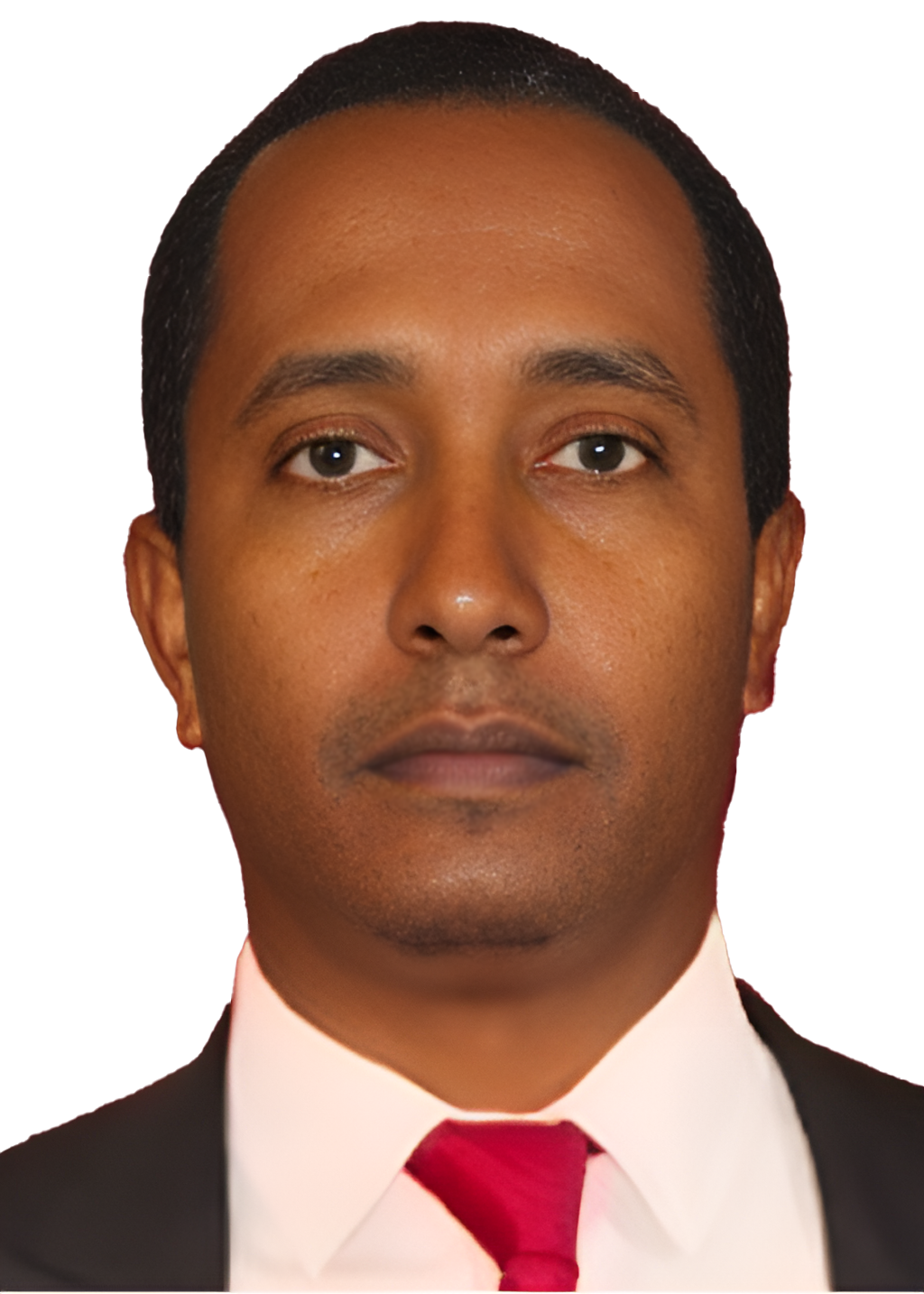
The introduction of the capital market in Ethiopia has the potential to transform its economy and set it on a path of sustainable growth. However, this potential can only be realized if retail investors are empowered and encouraged to participate in the market. By focusing on financial literacy, inclusivity, and transparency, Ethiopia can build a strong and inclusive financial system that benefits a wide array of its citizens, ultimately contributing to the country's overall development and prosperity, writes Lea Mehari Redae is a consultant on international law and policy. She can be reached at leamehariwork@gmail.com
Ethiopia is on the cusp of a new era in its financial landscape. The Ethiopian Parliament has legislated the Ethiopian Capital Markets Authority (ECMA), signalling the country's intent to develop a robust capital market infrastructure. With the Ethiopian Securities Exchange (ESX) and other self-regulatory organizations in the pipeline, the stakes are high, and the benefits could be transformative for the economy.
However, the journey ahead is not without its challenges. Attracting investors, particularly retail investors, to a nascent capital market will require a multi-faceted approach. Ethiopia can learn valuable lessons from the experiences of countries such as Kenya and the United States.
Financial literacy is the cornerstone of an empowered retail investor base.
Ethiopia's traditional financial system mostly focuses on rudimentary aspects like opening and managing bank accounts and saving. Enhancing the population's understanding of investment opportunities and market dynamics is essential for a thriving capital market.
This is especially critical given the global trend of growing retail investor participation in capital markets. The World Economic Forum (WEF) reported that retail investors accounted for 52pc of global assets under management two years ago, with projections reaching over 61pc by the end of this decade. The world witnessed retail investors' impact in events like the GameStop, AMC Entertainment, and BlackBerry stock rallies in 2021.
Despite these global trends, the WEF's study revealed that 40pc of non-investing individuals in countries like the United States, South Africa, China, Germany, Japan, and the United Arab Emirates cited a lack of knowledge or confusion as reasons for not investing. This percentage would likely be higher in Ethiopia due to lower education and financial literacy levels.
To address this gap, Ethiopia must look beyond the Capital Markets Authority, ESX, and self-regulatory organizations to engage schools, universities, media platforms, and companies in promoting financial literacy. A concerted effort to educate the populace will foster a culture of informed decision-making.
Transparency is vital to building retail investors` confidence and encouraging their participation in the market. The Capital Markets Authority, self-regulatory organizations, and listed companies must adhere to rigorous pre- and post-trading reporting systems that are comprehensible to retail investors. By making these reports publicly available, Ethiopia can foster trust in the market and its institutions.
Inclusivity is another crucial aspect of building a successful capital market. The market should not cater exclusively to the wealthy elite; it must also provide opportunities for the less privileged to invest their savings and earn meaningful returns. Accessibility and affordability are key components of an inclusive market.
Trading platforms and platform providers must eliminate barriers that could limit retail investor participation. High transaction fees, a lack of diverse investment products, and the physical inaccessibility of markets can deter potential investors. By addressing these issues, Ethiopia can create a more egalitarian market that benefits a larger population segment.
Successful initiatives in other countries can serve as models for Ethiopia.
Kenya's M-Akiba bond program, launched in 2017, offers a compelling example of a program that democratizes access to the capital market for retail investors. By enabling Kenyans to invest in government bonds through mobile phones with a minimum investment of about 30 dollars, the program has attracted over 350,000 bondholders and raised over 220 million dollars for public infrastructure projects.
The American Robinhood app offers another illustration of a successful initiative. With commission-free trading and a user-friendly interface, the app has encouraged first-time investors to participate in the stock market. Initiatives like these have significantly democratised investing and increased retail investor participation in capital markets.
Ethiopia should take note of these successes and consider implementing similar programs. By leveraging mobile technology and user-friendly trading platforms, the country can make investing more accessible and appealing to a broader audience.
Its journey toward a thriving capital market is a challenging but necessary one. Empowering retail investors through financial literacy, transparency and inclusivity is essential for the market's success. By learning from the experiences of other countries and harnessing innovative solutions, Ethiopia can create a strong and inclusive financial system that benefits many and contributes to its growth and development.
PUBLISHED ON
Mar 25,2023 [ VOL
23 , NO
1195]

Commentaries | Apr 03,2021
Radar | Oct 19,2024
Fortune News | Feb 04,2023
Fortune News | Jun 27,2026
Commentaries | Sep 03,2022

Radar | Mar 16,2024
Radar | Dec 10,2022
Money Market Watch | Jul 04,2026
Radar | Oct 14,2023
Editorial | Apr 04,2020

Photo Gallery | 193849 Views | May 06,2019

Photo Gallery | 183736 Views | Apr 26,2019

Photo Gallery | 180643 Views | Oct 06,2021

My Opinion | 145993 Views | Aug 14,2021







Dec 22 , 2024 . By TIZITA SHEWAFERAW
Charged with transforming colossal state-owned enterprises into modern and competitiv...

Aug 18 , 2024 . By AKSAH ITALO
Although predictable Yonas Zerihun's job in the ride-hailing service is not immune to...

Jul 28 , 2024 . By TIZITA SHEWAFERAW
Unhabitual, perhaps too many, Samuel Gebreyohannes, 38, used to occasionally enjoy a couple of beers at breakfast. However, he recently swit...

Jul 13 , 2024 . By AKSAH ITALO
Investors who rely on tractors, trucks, and field vehicles for commuting, transporting commodities, and f...

Aug 28 , 2026
Every year, the Ministry of Education (MoE) sets a national examination. Every year,...
Aug 22 , 2026
A record is a strange thing to worry about. Federal trade officials have booked the b...

Aug 14 , 2026
Aschalew Fetene, known as “Ardi” and admired for his poetic depth, has built a ti...

Aug 8 , 2026
The World Bank asks readers to picture a mother in rural Ethiopia who has never held...
Aug 29 , 2026 . By BEZAWIT HULUAGER
The federal government is increasingly relying on Treasury bills (T-bills) to repay T...
Aug 29 , 2026 . By NAHOM AYELE
Judges on a Federal High Court bench have ordered D'Afrique, one of Addis Abeba's old...
The Ministry of Revenues wants to know not just who a taxpayer is but almost everythi...
Aug 29 , 2026 . By BEZAWIT HULUAGER
Electricity supplied from Ethiopia has helped halve Djibouti's power production costs...





 Loading your updates...