
Exclusive Interviews | Sep 07,2025



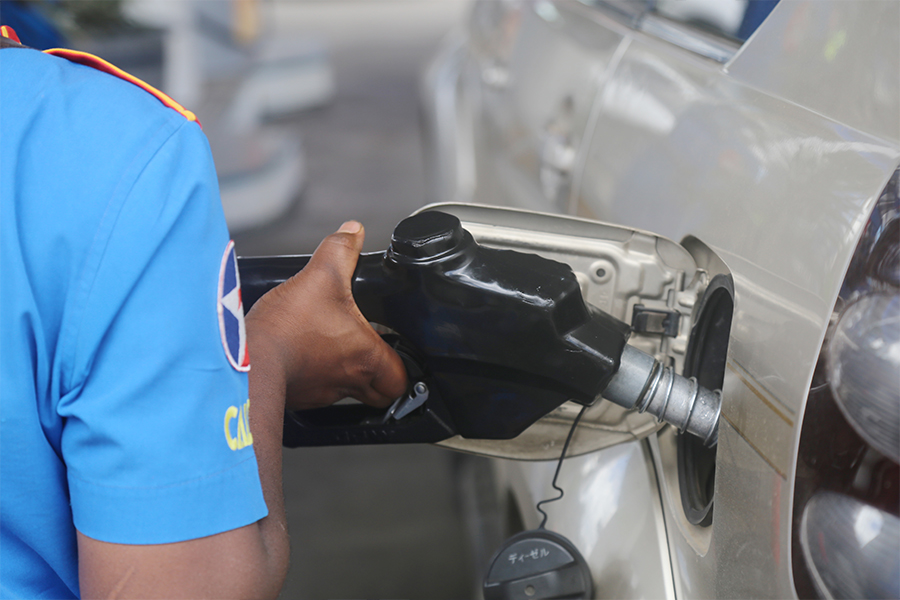
A fuel shortage in Addis Abeba is stripping drivers of hours and income who depend on their vehicles to survive, turning the daily search for petrol into a punishing wait. For an average taxi driver, more than six hours can vanish in queues, wiping out the morning rush and cutting daily earnings by half. For public transport operators, the strain is worsening across the city, while a directive requiring fuel stations to prioritise them has not been enforced. Even after recent tariff revisions, fare increases have lagged far behind the jump in domestic fuel prices, while fees paid to terminal operators have grown far more sharply.
The effects are rippling far beyond taxi ranks. For commuters, higher fares and delays are eating into already stretched household budgets. One worker has seen her daily transport costs climb to 120 Br from 50 Br a year ago, forcing her to walk part of the journey and cut other spending, including childcare and groceries. Freight transport has also been hit. A fuel tanker driver hauling supplies from Djibouti now waits two to three days to fuel his truck, reducing trips from four round journeys a month to two and squeezing his income.
Officials and dealers blame a mix of international disruption and domestic leakage. The conflict in the Middle East, including early disruption around the Strait of Hormuz and attacks on refineries in Qatar and the UAE, has unsettled supply routes on which Ethiopia depends. Federal transport authorities say they are pursuing emergency procurement and alternative logistics, while continuing to absorb heavy subsidies. Petrol sells at 132.18 Br a litre and diesel at 139.84 Br, though officials say full cost pass-through would push them above 205 Br and 238 Br, respectively. The federal government spends more than two billion dollars a year on fuel imports, importing close to four million tonnes in 2023/24, and yet shortages have left much of the capital’s network dry. By mid-last week, 37 stations had no benzene or awaited delayed shipments, and 76 had no diesel at all. Federal and city officials are pushing conservation, electric vehicles and natural gas, while also seeking a new storage hub in Djibouti to ease pressure on overstretched terminals. But for now, the shortage is being felt not in policy papers but in smaller meals, longer walks, fewer trips and less income, as an economic shock settles into the routines of daily life.
The crisis has also exposed deeper structural weaknesses. Experts estimate that 15pc to 20pc of fuel may be diverted to the underground market, while investigators are probing an alleged corruption network accused of funnelling tankers into contraband channels and hiding stocks to create artificial shortages.
You can read the full story here
PUBLISHED ON
Mar 21,2026 [ VOL
26 , NO
1351]
Exclusive Interviews | Sep 07,2025

Radar | May 25,2024
Fortune News | May 09,2026
Fortune News | Aug 09,2026

Life Matters | Jan 10,2026

Viewpoints | Jun 14,2025
Fortune News | Apr 03,2023
Fortune News | Nov 03,2024
Fortune News | May 27,2023
Featured |
Dec 22 , 2024 . By TIZITA SHEWAFERAW
Charged with transforming colossal state-owned enterprises into modern and competitiv...
Aug 18 , 2024 . By AKSAH ITALO
Although predictable Yonas Zerihun's job in the ride-hailing service is not immune to...
Jul 28 , 2024 . By TIZITA SHEWAFERAW
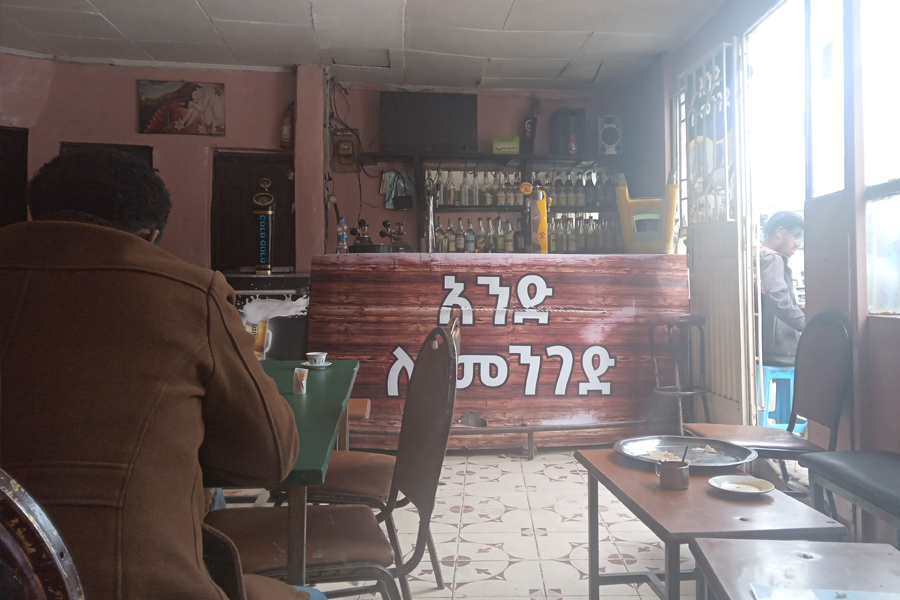
Unhabitual, perhaps too many, Samuel Gebreyohannes, 38, used to occasionally enjoy a couple of beers at breakfast. However, he recently swit...
Jul 13 , 2024 . By AKSAH ITALO
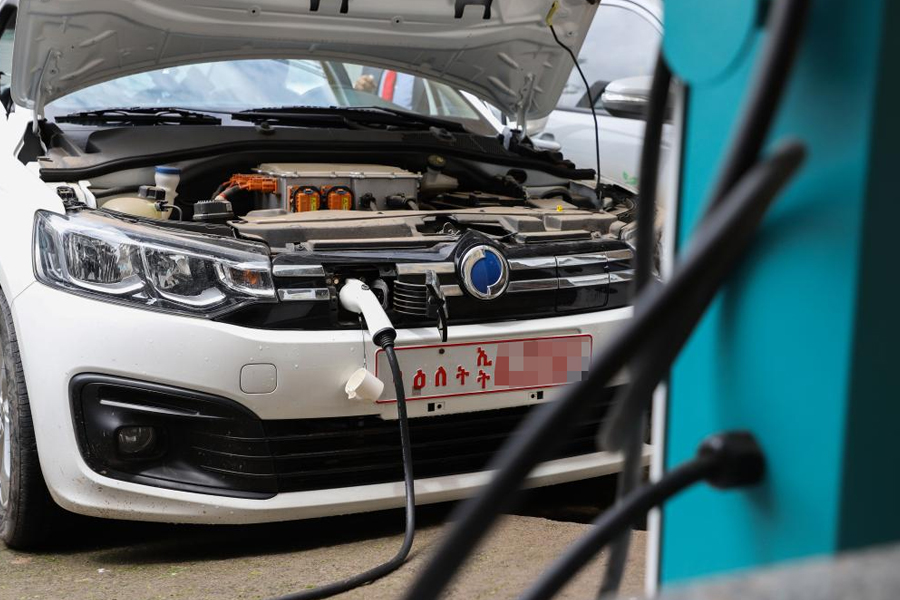
Investors who rely on tractors, trucks, and field vehicles for commuting, transporting commodities, and f...
Aug 22 , 2026
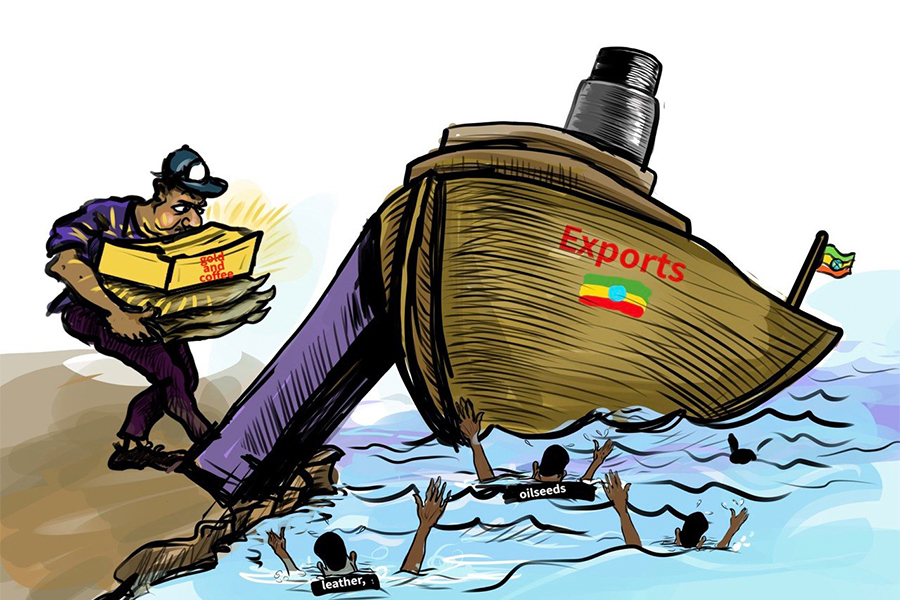
A record is a strange thing to worry about. Federal trade officials have booked the b...
Aug 14 , 2026
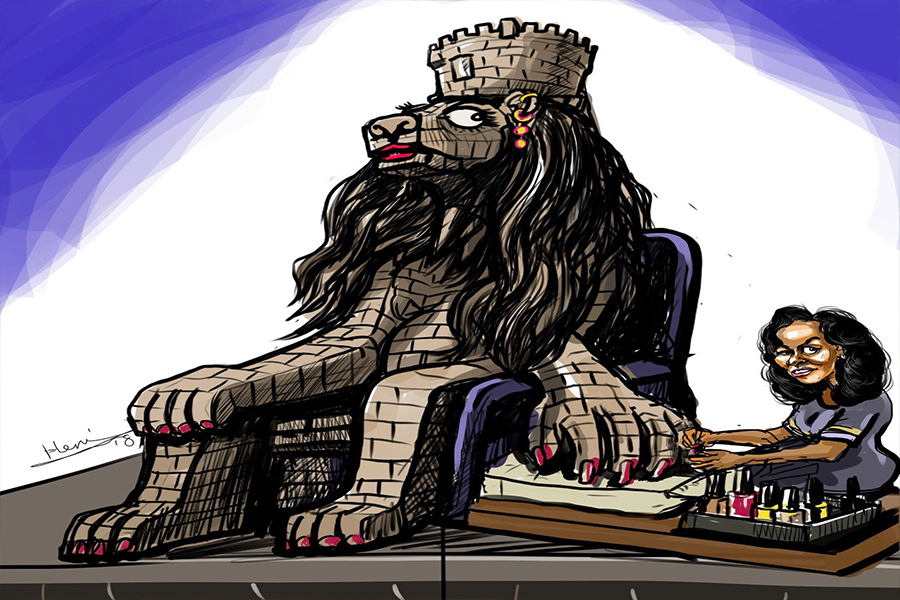
Aschalew Fetene, known as “Ardi” and admired for his poetic depth, has built a ti...

Aug 8 , 2026
The World Bank asks readers to picture a mother in rural Ethiopia who has never held...

Jul 31 , 2026
Weldu Yiheysh has not read the Pacific temperature charts. He does not need to. In Shibta District of Enderta Wereda, in...










 Loading your updates...