

View From Arada | Apr 09,2023



Feb 14 , 2026
By Shumye Getu (PhD)
Africa is at an inflection point. The global consensus that once provided a shaky scaffold for peace, cooperation, and development is disintegrating under the pressure of unilateralism, populism, and strategic self-interest.
From Washington to Moscow, Beijing to Brussels, the pillars of multilateralism are giving way to power politics, unsettling a continent already struggling to achieve coherence within its own institutions.
The African Union (AU), heir to the ambitions of the Organisation of African Unity (OAU), is confronting an existential moment. Born out of a shared history of colonisation and dispossession, the AU’s founding logic was rooted in the recognition that political independence was meaningless without economic sovereignty and collective strength. However, six decades on, many of the very same afflictions, such as unconstitutional regime changes, contested elections, gross human rights violations, and chronic instability, persist.
The backdrop has worsened. The global order that once encouraged, even if inconsistently, Africa’s integration and advancement has turned inward. Western powers, disillusioned with the institutions they helped build, are disengaging. America’s retreat from international agreements and institutions under the Trump Administration sent an unmistakable message that the age of the rules-based order is receding, replaced by a world where national interests deter international cooperation.
For Africa, this shift is more than a diplomatic inconvenience. It should serve as a threat multiplier. A disunited Africa in a disordered world invites renewed forms of exploitation. External actors, both old and new, continue to view the continent primarily as a resource base or geopolitical chessboard. In such a context, Africa’s lack of strategic unity amounts to structural vulnerability.
And yet, the AU remains burdened by the very fragmentation it was meant to overcome. Pan-African solidarity often gives way to parochialism, with national interests stalling continent-wide solutions. Many governments, preoccupied with internal fragilities, are unwilling to invest in the long-term project of continental integration. The inertia of member states has made the AU reactive rather than proactive, an arena of protocol more than power.
This internal weakness is compounded by an external system that still reflects colonial legacies. The UN Security Council, with no permanent African representation, remains a symbol of the unequal architecture of global governance. International financial institutions impose conditionalities that often serve donor interests more than local development goals. The call for reform is no longer about fairness but survival.
What is required is a bolder vision, one that sees African unity not as a rhetorical flourish but as a strategic imperative. The AU should reassert its agency in shaping the norms and rules of the international system. African leaders should challenge the legitimacy of institutions that exclude and marginalise, and push for alternatives that mirror the realities and aspirations of the Global South.
To do this, the AU should first secure internal coherence. This means revitalising its mechanisms for early warning, mediation, and democratic accountability. It means building resilience not only in response to coups, but to the deeper structural causes of state failure, including economic exclusion, youth disenfranchisement, and elite impunity.
In an era where "might makes right" is resurgent, the moral power of unity may be Africa's strongest remaining leverage.
If the continent is to avoid becoming collateral in a renewed era of great-power rivalry, it should finally complete the mission set out by its founding fathers of building a sovereign, self-determined, and integrated Africa, capable not only of surviving the 21st Century, but shaping it.
PUBLISHED ON
Feb 14,2026 [ VOL
26 , NO
1346]

View From Arada | Apr 09,2023

Featured | Jul 06,2025
Viewpoints | Apr 18,2026

Fortune News | Nov 15,2025
Fortune News | Sep 07,2025
Commentaries | Apr 04,2026
Fortune News | Oct 13,2024
Verbatim | Aug 13,2022

Viewpoints | Jul 25,2026
Fortune News | Oct 26,2025

Photo Gallery | 192206 Views | May 06,2019

Photo Gallery | 181978 Views | Apr 26,2019

Photo Gallery | 178720 Views | Oct 06,2021

My Opinion | 144235 Views | Aug 14,2021






Dec 22 , 2024 . By TIZITA SHEWAFERAW
Charged with transforming colossal state-owned enterprises into modern and competitiv...

Aug 18 , 2024 . By AKSAH ITALO
Although predictable Yonas Zerihun's job in the ride-hailing service is not immune to...

Jul 28 , 2024 . By TIZITA SHEWAFERAW
Unhabitual, perhaps too many, Samuel Gebreyohannes, 38, used to occasionally enjoy a couple of beers at breakfast. However, he recently swit...

Jul 13 , 2024 . By AKSAH ITALO
Investors who rely on tractors, trucks, and field vehicles for commuting, transporting commodities, and f...

Jul 25 , 2026
Ideally, citizens who have paid income tax all year should not have to reach for thei...
Jul 18 , 2026
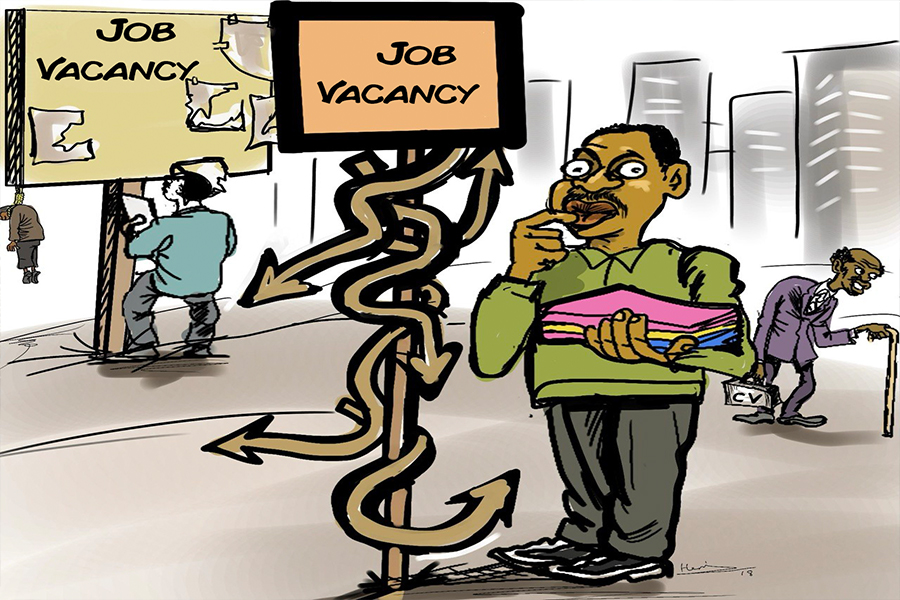
Pressed in Parliament on jobs and household incomes, Prime Minister Abiy Ahmed (PhD)...
Jul 11 , 2026
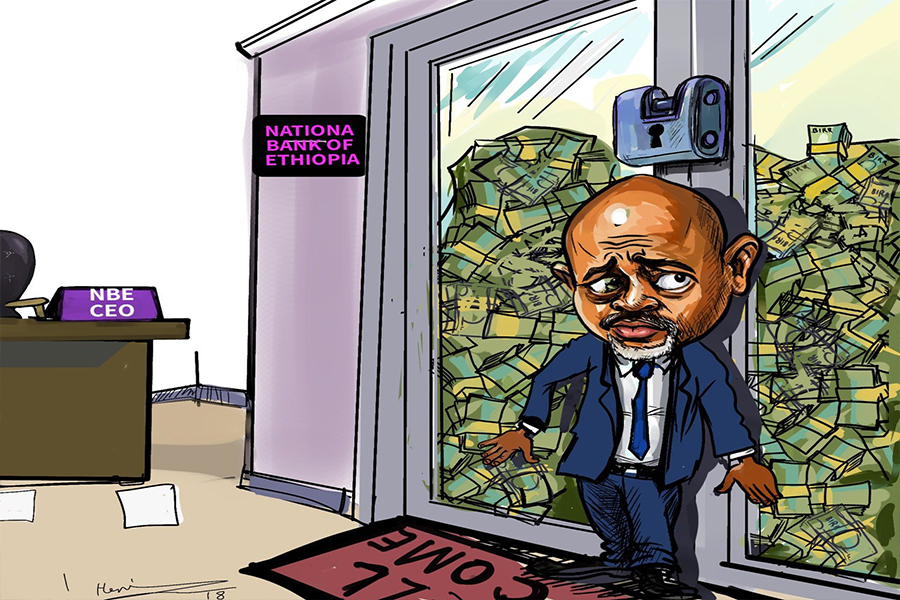
At a market stall, reform arrives without a communique. It comes as a higher transpor...
Jul 4 , 2026
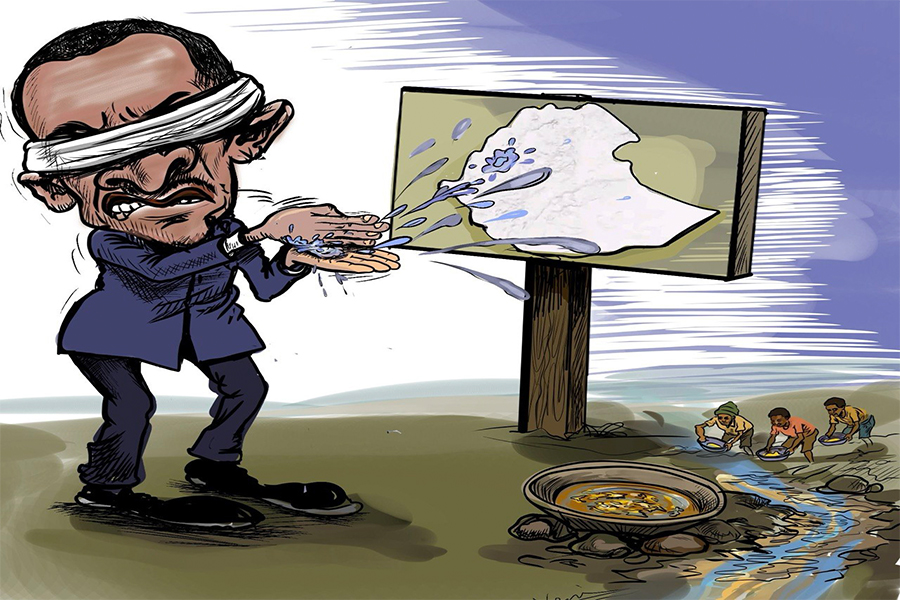
In the goldfields of the Benishangul-Gumuz Regional State, Ethiopia's balance-of-paym...
Jul 25 , 2026 . By BEZAWIT HULUAGER
Global Bank's Board of Directors have overhauled top management, after suspending sev...

Jul 25 , 2026 . By NAHOM AYELE
Judges at the Federal High Court have overturned the National Lottery Administration...
A newly enacted regulation by the Council of Ministers lets eligible producers pledge...
Jul 25 , 2026 . By FITSUM TADESSE
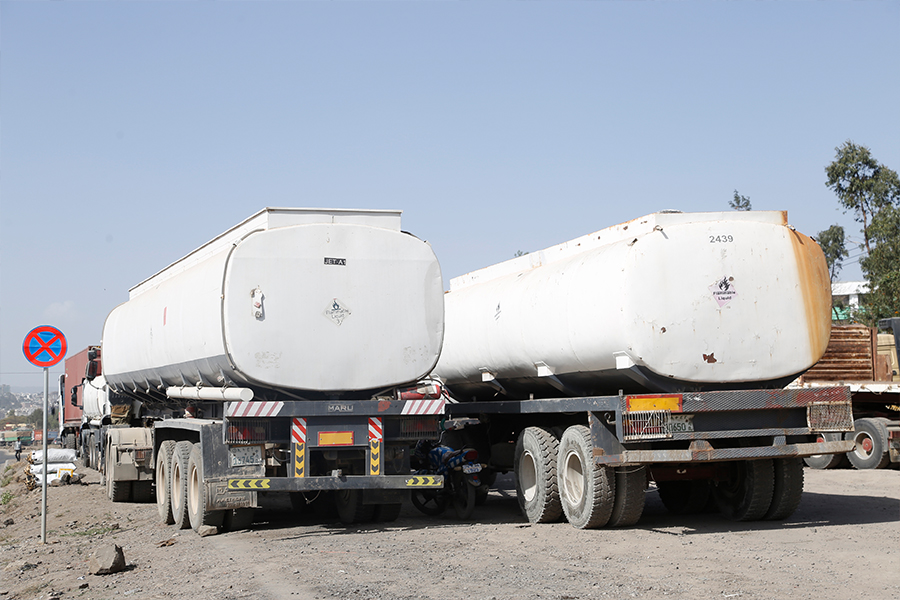
A fuel tanker carrying tens of thousands of litres was confiscated after its driver a...






 Loading your updates...