

Fortune News | Sep 03,2022



The soaring price of milk is becoming increasingly unaffordable, uncovering a deepening crisis in the dairy industry. Households are feeling the pinch as prices recently jumped by 20pc, leaving families struggling to meet basic nutritional needs, particularly civil servants and those counting on informal incomes. A litre of milk costs as much as 3,600 Br a month, eating into already tight family budgets, which are further strained by rising living costs such as rent, medical bills, groceries, and fuel. Behind these escalating prices lies a perfect storm of dwindling supply and increasing input costs, worsened by regulatory interventions and erratic market dynamics. Dairy farmers face sharply higher feed prices, with wheat straw feed surging from 2,300 Br to 2,800 Br a quintal within weeks, driving up production costs dramatically. The situation has forced producers to sharply raise milk retail prices, from 60 Br a litre during fasting seasons to as high as 85 Br last week, leaving consumers increasingly priced out.
Government directives targeting environmental protection have compounded farmers’ troubles, pushing dairy operations away from urban waterways through strict zoning laws. Urban dairy producers, often lacking space and suitable waste disposal systems, face the choice of relocating their operations or shutting down entirely. The ensuing displacement has severely disrupted supply chains, reducing milk availability and heightening price instability. Removing crucial tax exemptions has deepened the dairy industry's anguish, with animal feed no longer exempt from value-added tax (VAT). The policy shift inflated costs of critical inputs like soybean cake and concentrated feeds, the latter now priced at 3,400 Br a quintal, up from 2,800 Br. As farmers cut back or withdraw entirely, processors struggle to source milk, turning to distant markets and incurring additional logistical costs to sustain dwindling production levels.
Faced with thinning supplies, dairy companies have slashed daily outputs — some by over a third — while hiking retail prices substantially. The chronic shortage has forced processors to compromise, paying premium milk prices or accepting inconsistent quality. The situation is further complicated by persistent adulteration issues, unsafe transportation, and poor adherence to refrigeration standards, risking consumer safety and product integrity. Although official figures show a 2.9-billion-litre shortfall from the annual milk target of 12.1 billion litres, structural issues such as weak market linkages and inadequate cold chain infrastructure remain unresolved. While authorities draft new regulatory frameworks to strengthen oversight, lasting solutions seem distant.
PUBLISHED ON
May 17,2025 [ VOL
26 , NO
1307]
Fortune News | Sep 03,2022

View From Arada | Feb 21,2026

Agenda | Nov 09,2024
Radar | Nov 03,2024

My Opinion | Jul 25,2026

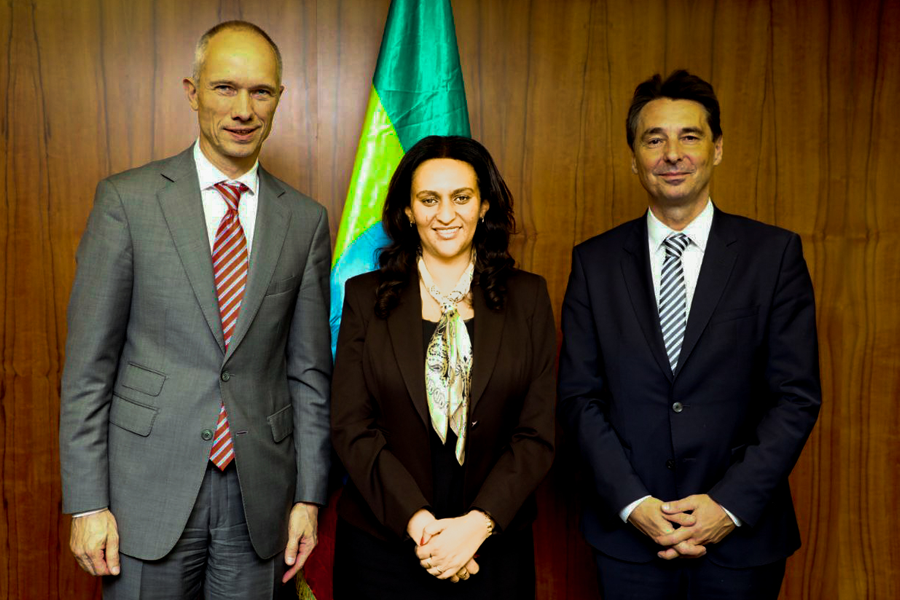
Dec 22 , 2024 . By TIZITA SHEWAFERAW
Charged with transforming colossal state-owned enterprises into modern and competitiv...
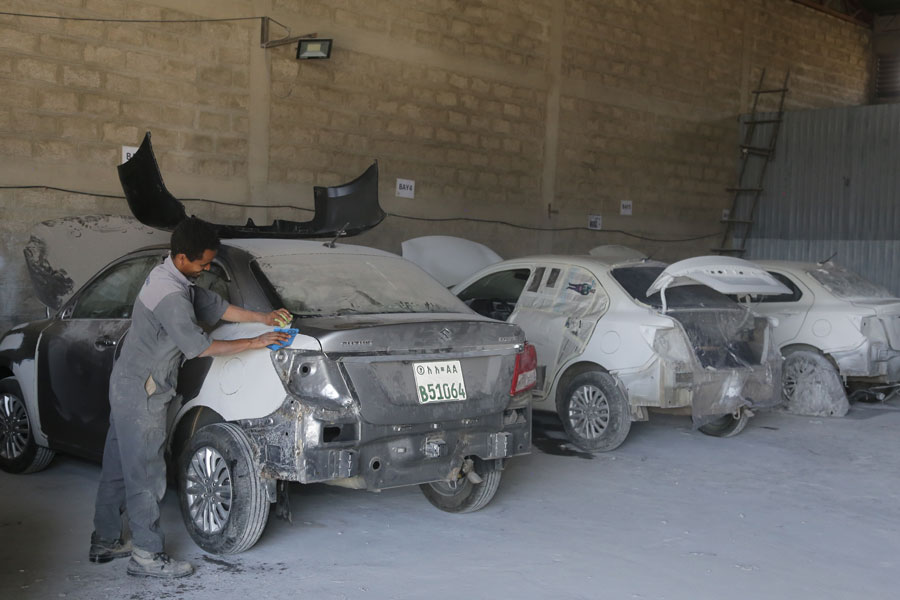
Aug 18 , 2024 . By AKSAH ITALO
Although predictable Yonas Zerihun's job in the ride-hailing service is not immune to...

Jul 28 , 2024 . By TIZITA SHEWAFERAW
Unhabitual, perhaps too many, Samuel Gebreyohannes, 38, used to occasionally enjoy a couple of beers at breakfast. However, he recently swit...
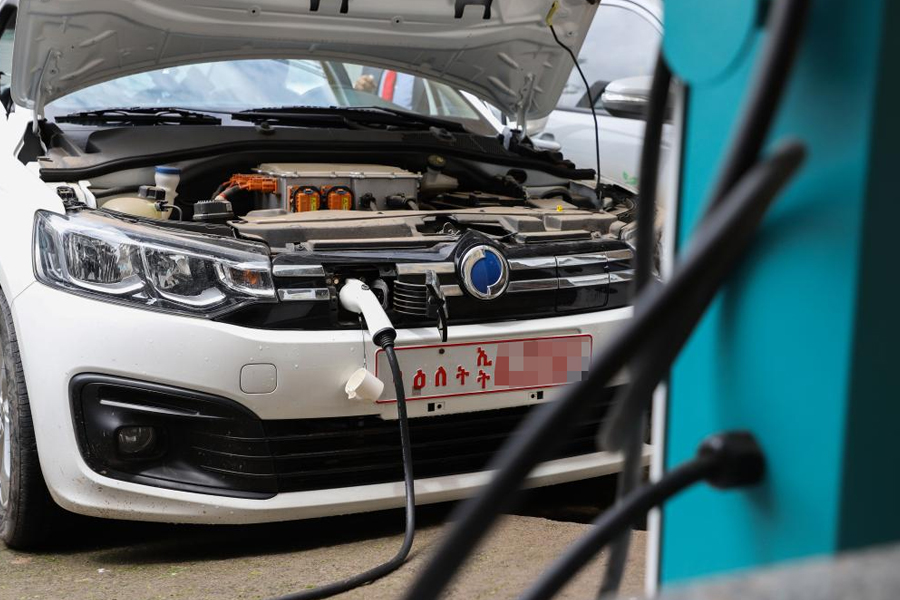
Jul 13 , 2024 . By AKSAH ITALO
Investors who rely on tractors, trucks, and field vehicles for commuting, transporting commodities, and f...

Jul 25 , 2026
Ideally, citizens who have paid income tax all year should not have to reach for thei...
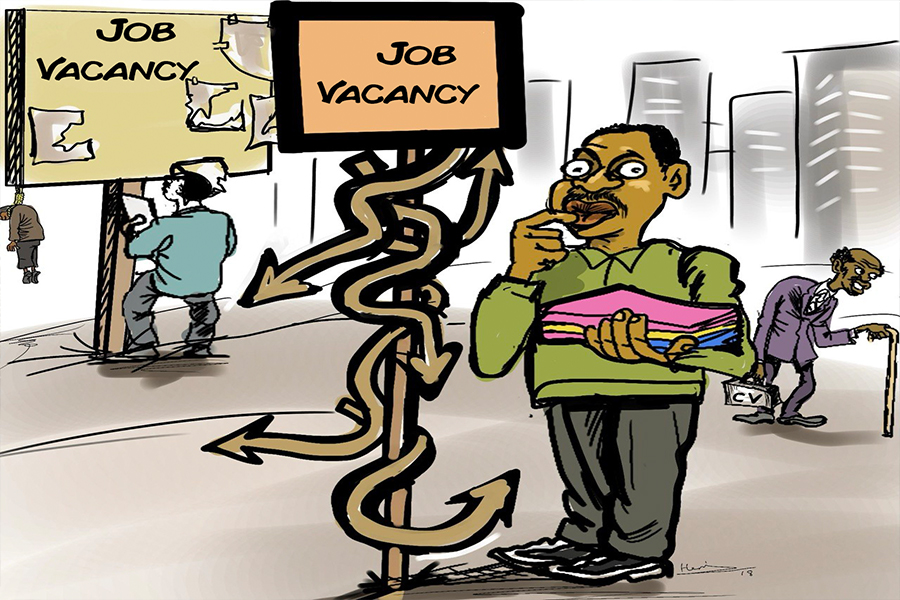
Jul 18 , 2026
Pressed in Parliament on jobs and household incomes, Prime Minister Abiy Ahmed (PhD)...
Jul 11 , 2026
At a market stall, reform arrives without a communique. It comes as a higher transpor...
Jul 4 , 2026
In the goldfields of the Benishangul-Gumuz Regional State, Ethiopia's balance-of-paym...















 Loading your updates...