

Obituary | Jun 27,2026



Motorcycles, once celebrated as emblems of entrepreneurial spirit in Addis Abeba, are now the centre of an intensifying clampdown. The aspiration for economic well-being, once readily pursued on two wheels, is now faltering as a series of restrictive measures by city transport authorities put the brakes on what many saw as a route to financial stability. The restrictions have become more noticeable in recent months, particularly during high-profile events, alongside prohibitions on vital thoroughfares. The rationale given by the Addis Abeba Traffic Management Authority for such stringent measures is the alarming rate of motorcycle-involved thefts and robberies. They have insisted on installing GPS tracking devices on motorcycles to combat this. However, the initiative's success is questionable, with many riders either not complying or finding ways to circumvent the system.
The consequences of these restrictions ripple out, affecting more than the motorcycle riders. Businesses that rely on motorbikes' agility for prompt deliveries are in a tight spot. The dwindling number of permissible routes has led to severed contracts with riders, spiralling into customer dissatisfaction and growing operational expenses. Experts in the field argue for a different approach, suggesting that a gradual implementation of technologies and enhancements in road infrastructure could serve as a more effective strategy than outright prohibitions. They urge the inherent advantages of motorcycles, such as their fuel efficiency, which, if properly regulated, could contribute to a more efficient and manageable transportation system within the city.
The road ahead for motorcycles in Addis Abeba is shrouded in uncertainty. Striking a balance between ensuring public safety, managing traffic effectively, and meeting economic demands may require thoughtful policy and regulatory responses. Experts advise rigorous enforcement of transport laws, enhanced training programs for riders, and a progressive shift towards affordable, efficient and reliable mass transport infrastructure for a potential path forward in the city's mobility. SEE THE FULL STORY ON PAGE 2.
You can read the full story here
PUBLISHED ON
Mar 09,2024 [ VOL
24 , NO
1245]
Obituary | Jun 27,2026

Fortune News | Apr 05,2026

Radar | May 04,2024
Agenda | Apr 10,2026

Life Matters | Dec 20,2025

Fortune News | May 17,2025

Fortune News | Jun 21,2026

Life Matters | May 23,2026
Viewpoints | Nov 01,2025
Viewpoints | Dec 27,2025

Dec 22 , 2024 . By TIZITA SHEWAFERAW
Charged with transforming colossal state-owned enterprises into modern and competitiv...

Aug 18 , 2024 . By AKSAH ITALO
Although predictable Yonas Zerihun's job in the ride-hailing service is not immune to...

Jul 28 , 2024 . By TIZITA SHEWAFERAW
Unhabitual, perhaps too many, Samuel Gebreyohannes, 38, used to occasionally enjoy a couple of beers at breakfast. However, he recently swit...

Jul 13 , 2024 . By AKSAH ITALO
Investors who rely on tractors, trucks, and field vehicles for commuting, transporting commodities, and f...

Jul 11 , 2026
At a market stall, reform arrives without a communique. It comes as a higher transpor...

Jul 4 , 2026
In the goldfields of the Benishangul-Gumuz Regional State, Ethiopia's balance-of-paym...
Jun 27 , 2026
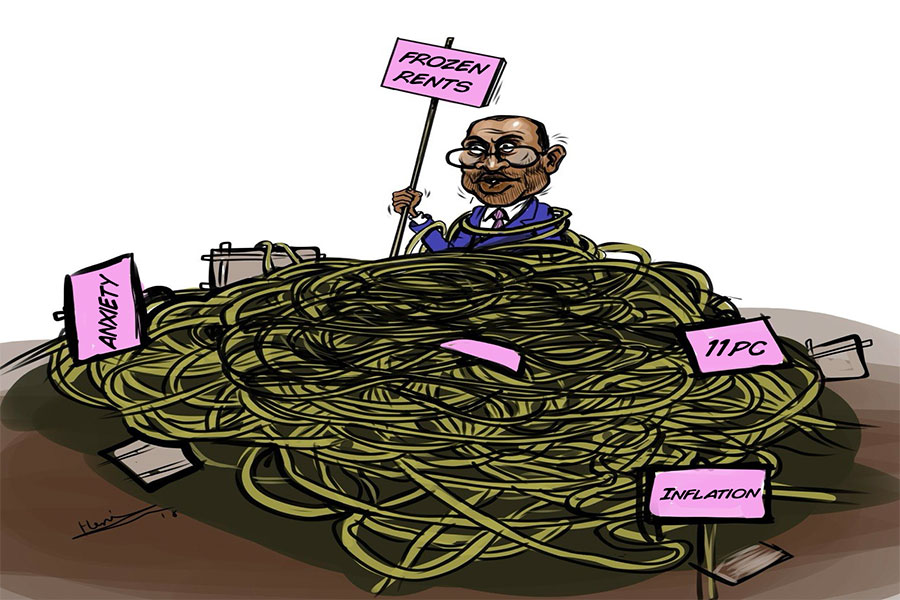
The federal legislative house rushed through one of the country's most contentious ho...
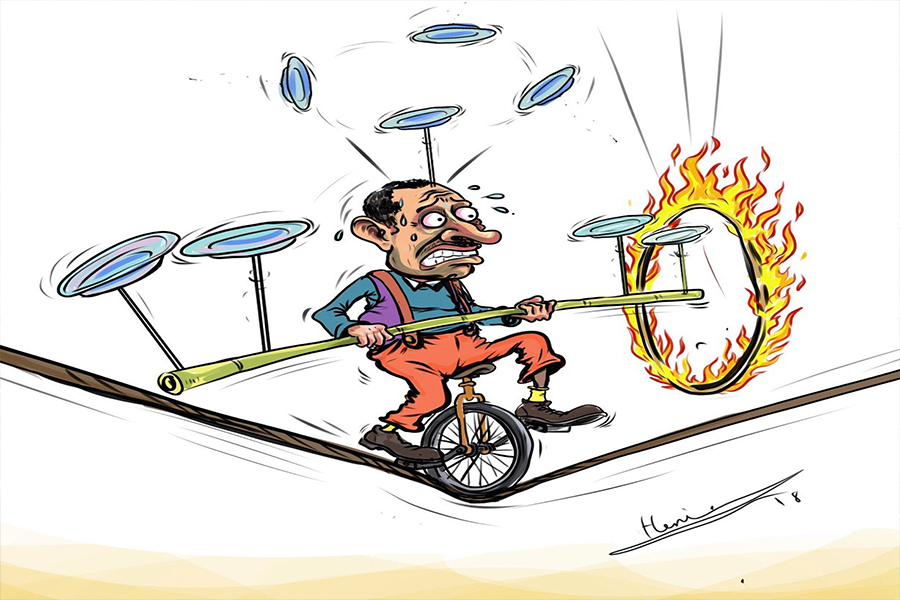
When Parliament takes up the appropriation bill, federal legislators will receive a d...








 Loading your updates...