
Radar | Apr 26,2026



They sit in plain sight on Addis Abeba’s streets, yet rarely feature in official speeches about modernisation. Rows of blue-and-white Lada taxis, with their dented frames and fading paint, bear witness to a transition that never quite arrived. For decades, the Soviet-era VAZ-2101 defined urban mobility in the capital. From the 1970s onward, the Lada was not merely a means of transport but part of a public transport infrastructure, culture, and livelihood rolled into one. Today, it has become a moving indictment of policy incoherence, caught between environmental ambition, foreign-exchange scarcity, and the limits of administrative follow-through.
Inside one taxi near Ras Mekonnen Avenue, a driver’s seat was stabilised with stones. The passenger seat is tied down with a rope. The driver kept medical documents close, ready to justify himself to the police if stopped. His worn shoes, patched with cloth, tell a quieter story of a livelihood stretched thin. His, like thousands still in the trade, is a story of endurance. Across neighbourhoods, from Qera to Wello Sefer, similar scenes repeat. Drivers wait long hours for passengers who increasingly avoid old vehicles, while repair costs surge and spare parts are scavenged from scrap yards. On good days, some earn barely enough to cover fuel. On bad days, they return home empty-handed. More than 10,000 taxi owners now live in this limbo, the unintended casualties of a replacement programme that promised renewal but delivered prolonged uncertainty.
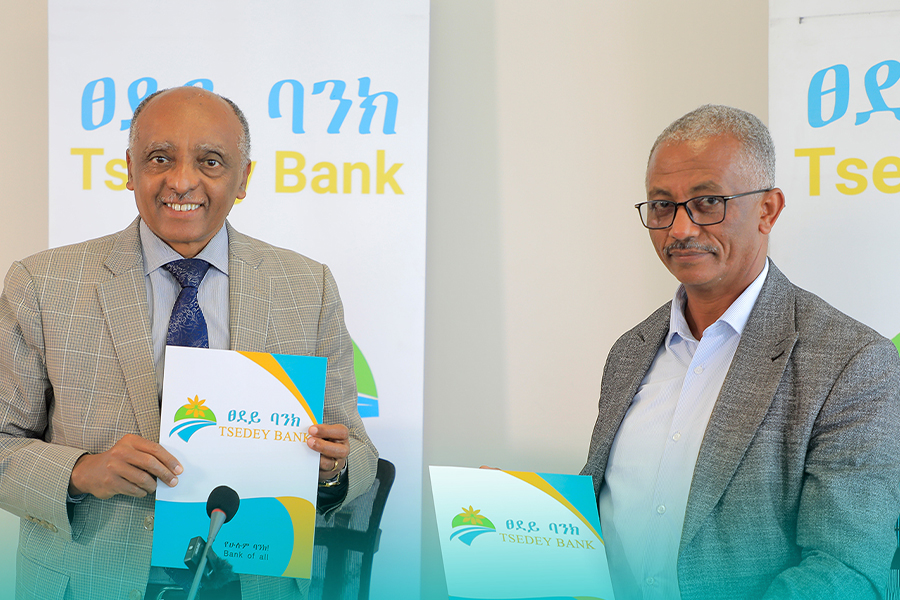
Replacing ageing taxis should have been a straightforward intervention, with newer vehicles, safer transport, and cleaner emissions. Instead, it exposed the fragility of policy coordination across city and federal institutions. In 2020, Addis Abeba’s Administration announced a plan to phase out Ladas and replace them with new taxis, requiring drivers to make a substantial down payment. The initiative was publicly endorsed by senior officials and structured around a private assembler and importer, with financing expected from a state-owned bank. Thousands of drivers complied. Many paid 130,000 Br, often their life savings, and waited. Years later, most are still waiting.
You can read the full story here
PUBLISHED ON
Jan 10,2026 [ VOL
26 , NO
1341]
Radar | Apr 26,2026

Radar | Mar 07,2026

Radar | Apr 26,2026

Radar | Sep 22,2024
In-Picture | May 23,2026

Radar | Jul 25,2026

Commentaries | May 23,2026
Radar | Jan 16,2024

Radar | Apr 19,2026

My Opinion | Nov 22,2025

Dec 22 , 2024 . By TIZITA SHEWAFERAW
Charged with transforming colossal state-owned enterprises into modern and competitiv...

Aug 18 , 2024 . By AKSAH ITALO
Although predictable Yonas Zerihun's job in the ride-hailing service is not immune to...

Jul 28 , 2024 . By TIZITA SHEWAFERAW
Unhabitual, perhaps too many, Samuel Gebreyohannes, 38, used to occasionally enjoy a couple of beers at breakfast. However, he recently swit...

Jul 13 , 2024 . By AKSAH ITALO
Investors who rely on tractors, trucks, and field vehicles for commuting, transporting commodities, and f...

Aug 14 , 2026
Aschalew Fetene, known as “Ardi” and admired for his poetic depth, has built a ti...

Aug 8 , 2026
The World Bank asks readers to picture a mother in rural Ethiopia who has never held...

Jul 31 , 2026
Weldu Yiheysh has not read the Pacific temperature charts. He does not need to. In Shibta District of Enderta Wereda, in...

Jul 25 , 2026
Ideally, citizens who have paid income tax all year should not have to reach for thei...









 Loading your updates...