

Commentaries | Feb 07,2026



As the Iran-Israel-United States conflict disrupts traditional shipping corridors and logistics, Ethiopian Airlines, the continent’s largest carrier, finds itself exposed to a maintenance chain built around hubs outside Africa, turning what was once a routine flow of engines and aircraft components into a slower, costlier undertaking for the Airline and its fleet.
The war in the Middle East is casting a long shadow beyond the front lines, reaching into its hangars in Addis Abeba, where the Airline's managers are being compelled to rethink a critical part of the business.
The pressure is acute because Ethiopian Airlines depends on original equipment manufacturers such as Rolls-Royce, Honeywell Aerospace, and General Electric (GE) Aerospace, which centralise spare parts and repair operations in hubs such as Dubai. The Airlines has traditionally sent its engines and specialised parts to these centres for repair. But the war has made the movement of parts more uncertain, expensive, and time-consuming, tightening pressure on maintenance, repair, and overhaul operations when the Airline is carrying a heavy financial burden.
Fuel remains its largest expense, consuming 40pc to 45pc of total costs, while aircraft maintenance follows at roughly 10pc to 15pc. That leaves little room for prolonged disruption. The fragility of that supply chain was demonstrated by an episode involving three vessels bound for Ethiopia. Carrying 120,000tn of diesel and 60,000tn of jet fuel, the ships were left stranded in the Arabian Gulf, evidence of how regional conflict can imperil the Airline’s daily operations and the wider systems that sustain them.
Inside Ethiopian Airlines, the response is no longer confined to contingency planning.
Mesfin Tasew, CEO of the Ethiopian Airlines Group (EAG), is overseeing a strategic shift toward domestic options, expanding in-house maintenance capacity gradually to reduce dependence on repair centres. The maintenance division is already more than a support function. It earns more than 110 million dollars from third-party services and operates eight hangars capable of handling 1,200 parent part numbers. However, African aviation maintenance revenue continues to leak to Europe and the Middle East, where more repair slots exist and a wider range of aircraft types can be serviced.
To keep more of that business on the continent, Ethiopian Airlines has begun work on a new maintenance facility through a joint venture with Asky Airlines, reviving a project first conceived more than a decade ago. The investment, 100 million dollars, is expected to be completed next year. It forms part of a broader expansion plan that also includes a facility at Bishoftu International Airport, expected to open around 2030.
Under the plan, heavy checks and complex overhauls will remain concentrated at Bole International Airport, while lighter tasks and a dedicated centre for light aircraft maintenance will move to Bishoftu.
"Once the Bishoftu facility is leveraged, the Airline will be able to service more of its own fleet while expanding work for third-party carriers," Mesfin told Fortune. "More capacity at home would leave the airline less vulnerable to regional conflicts that disrupt the movement of parts to Dubai and other external centres."
The commercial case is strengthened by growth in Africa’s maintenance market. Valued at about 1.6 billion dollars in 2025, the industry is expanding at a compound annual rate of 4.8pc and is expected to exceed two billion dollars within five years. According to Yonatan Menkir, an aviation expert and analyst, the value of Ethiopian’s in-house capacity is often understated because the Airline captures not only external revenue, but also the opportunity-cost savings of not paying market rates for outsourced work.
Unlike operators such as TAAG Angola Airlines, which must ferry aircraft to Ethiopia and absorb delays and out-of-service periods, Ethiopian Airlines operates from co-located facilities, employs salaried technical staff, and maintains on-site warehousing. Those investments in hangars and workshops help eliminate outsourcing fees and make it possible to perform early preventative maintenance without waiting for repair slots, a delay that burdens other African carriers.
Nonetheless, the nearest engine hubs are still Rolls-Royce’s facility in Dubai and leased engine storage in Johannesburg, South Africa. Other crucial components from Honeywell and GE are often routed through Phoenix or Kuala Lumpur rather than warehouses in Ethiopia.
According to Menkir, route closures are complicating that flow and argue for a more integrated continental approach.
"The only solution is to see Africa as a single ecosystem," Menkir said.
He urged short-term partnerships to repurpose idle hangars across borders.
"In a sector squeezed by skilled-labour shortages and high human-capital costs, retention may depend on non-cash tools such as land for housing, loan facilities, and better insurance for technicians," he told Fortune.
PUBLISHED ON
Apr 05,2026 [ VOL
27 , NO
1353]
Commentaries | Feb 07,2026
Viewpoints | Apr 04,2026
Fortune News | Jun 22,2024

Election 2026 coverage | Mar 14,2026
Commentaries | Apr 18,2026
Agenda | Feb 28,2026

Fortune News | Sep 07,2025

Fortune News | Jul 14,2022
Viewpoints | Oct 20,2024

Radar | Jan 01,2023

Dec 22 , 2024 . By TIZITA SHEWAFERAW
Charged with transforming colossal state-owned enterprises into modern and competitiv...

Aug 18 , 2024 . By AKSAH ITALO
Although predictable Yonas Zerihun's job in the ride-hailing service is not immune to...

Jul 28 , 2024 . By TIZITA SHEWAFERAW
Unhabitual, perhaps too many, Samuel Gebreyohannes, 38, used to occasionally enjoy a couple of beers at breakfast. However, he recently swit...

Jul 13 , 2024 . By AKSAH ITALO
Investors who rely on tractors, trucks, and field vehicles for commuting, transporting commodities, and f...
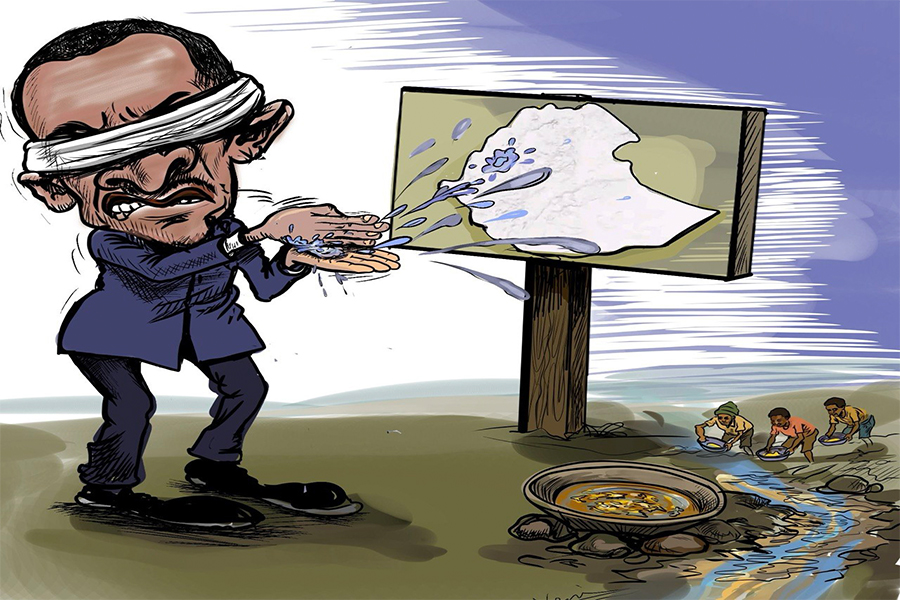
Jul 4 , 2026
In the goldfields of the Benishangul-Gumuz Regional State, Ethiopia's balance-of-paym...
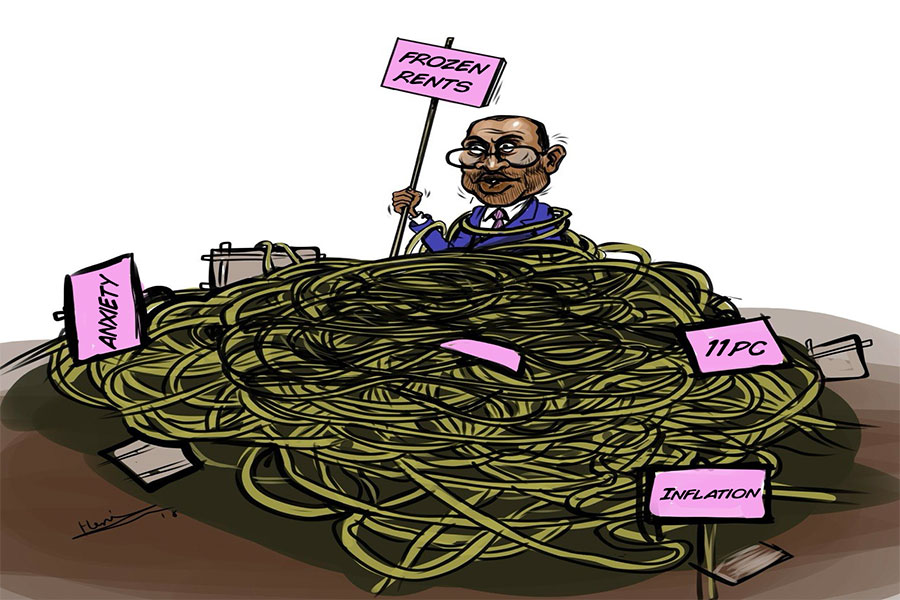
Jun 27 , 2026
The federal legislative house rushed through one of the country's most contentious ho...
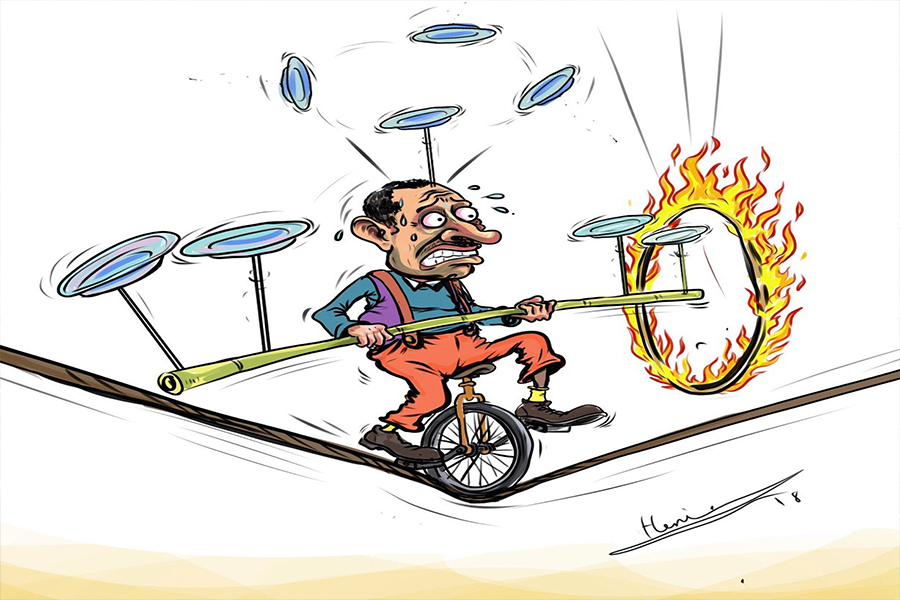
When Parliament takes up the appropriation bill, federal legislators will receive a d...
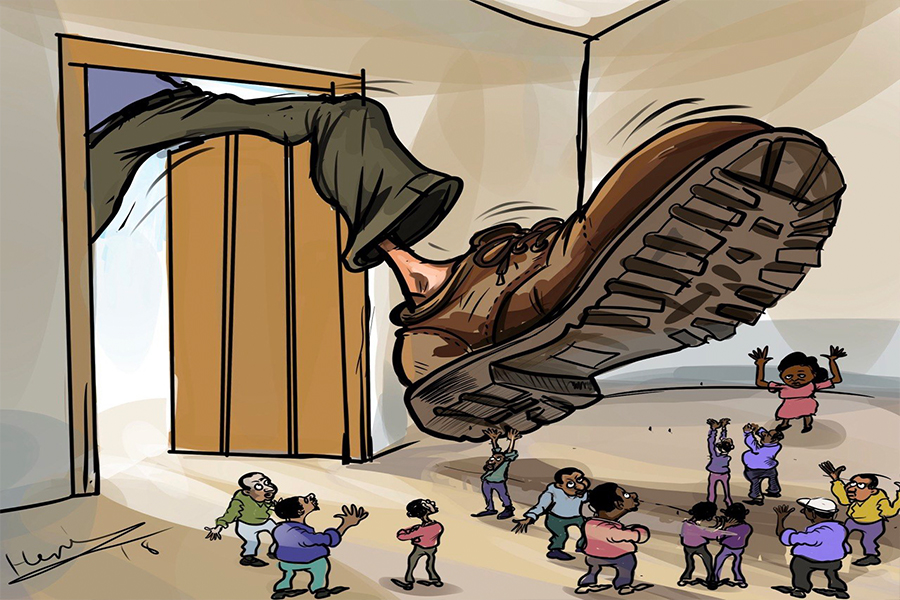
Jun 13 , 2026
The recent policy decision to fully open freight forwarding to foreign capital may be...










 Loading your updates...