

Radar | Nov 24,2024



Mar 28 , 2026
By Shumye Getu (PhD)
The question of what it may mean to raise children in a digital world has become harder to ignore as research points to the effects of prolonged screen exposure on children, especially infants. For many families, the practical realities of parenting in urban life now collide with concerns about child development, attention, language and emotional growth.
A World Bank research released in 2025 links excessive screen time to attention difficulties and behavioural issues in children. It also shows that screens can interrupt essential interaction, attention and self-regulation. When screens absorb either parents or children, the quality and quantity of the back-and-forth exchanges that children need begin to fall. That weakens language development and emotional bonding.
Language acquisition is especially vulnerable because screen time often replaces conversation, which is central to building vocabulary and comprehension. Neuroimaging (the process of producing images of the structure or activity of the brain) studies and research findings also show structural differences in brain language regions associated with high screen exposure.
Health Ministry officials have acknowledged that early childhood is a critical period of development that requires broad investment and care. This demonstrates that the concern is not limited to parents but extends to communities, government, and development partners.
Care and protection in early childhood, particularly in the first three years, are crucial to healthy development and to helping children reach their full potential later in life. Malnutrition, toxic stress, lack of nurturing care and weak brain stimulation during the early years can impair brain development and reduce a child’s ability to learn. That, in turn, limits the possibility of children reaching their potential and becoming productive adults.
According to a report by UNICEF, released three years ago, Ethiopia’s policy framework for early childhood development and education aspires to create a coordinated and purposeful intervention so that every young citizen can become a productive member of the future workforce. The framework defines the roles of parents, communities, government ministries and departments, and development partners in providing integrated health, food, and nutrition services for children from pre-birth to age three.
A lot of effort is being made to support vulnerable children and improve health, early learning, and social adjustment. Even so, many parents are not doing enough to curb the effects of high screen exposure on the early childhood development of minors. One of the problems most often reported in relation to this neglect is “digital autism,” which is silently affecting a substantial number of children.
Several pressures points, such as poverty, lack of awareness, limited capacity and lack of time all play a role, help drive this.
The policy leaves a gap when it comes to screen exposure and toxic digital content. It does not set out a particular initiative curbing the effects of children’s screen exposure by parents and caregivers.
Parents often do not spend enough time with their children. The pressures of urban life, including distant workplaces and inefficient transport, push many adults out of the house early in the morning and bring them home late in the evening. Children are then left exposed for long hours, staring at screens.
Parents are also highly tied to screens at home, drawing children into the same habit. It is becoming common for parents, even when they are physically with their children, to rely on smartphones as a “digital babysitter.” To avoid aggression and hyperactivity that children may show because of prior screen exposure, some parents hand over a phone even in public places. Yet those public spaces may offer children rare, “one-time” chances to play with their peers and experience something authentic and natural, with subtle but real effects on communication and creativity. These are among the earliest lessons children need to practice so they can carry them into later life.
The result is like putting children in a cage and allowing them to drift deep into a world adults themselves do not fully understand. Researchers warn that this world contains toxic and addictive content, shaped by algorithmic manipulation and bias.
Urban planning is another contributing factor. Many neighbourhoods are laid out in ways that do not encourage interactive living. Residents, including children, are compelled to remain indoors much of the time, connected to screens. More outdoor parks and indoor play areas for children could help. Mayor Adanech Abiebie's Administration has made efforts to expand such infrastructure for children’s outdoor activity, but these remain concentrated in limited parts of the city. The Mayor needs a long-term plan, policy and strategy to integrate such facilities into residential villages and settlements.
Another problem is the skill gap among parents and caregivers. Many lack the ability to turn off addictive features or to use digital “family centre” tools to monitor screen use and content closely.
If children are to survive and thrive in this digital world, the indicators in the national policy framework are not enough. More initiative is needed on digital and screen safety. Affection and protection from parents and caregivers remain critical to skill, confidence and character development. Replacing that attention with digital content slows children’s growth. Policy intervention is needed to coordinate the response of multiple stakeholders, but coordinated response of parents and caregivers remains irreplaceable.
PUBLISHED ON
Mar 28,2026 [ VOL
26 , NO
1352]

Radar | Nov 24,2024
Fortune News | Mar 18,2023

News Analysis | Mar 14,2026

Radar | Mar 21,2026

View From Arada | Oct 20,2024

Fortune News | Apr 22,2023

Life Matters | Feb 07,2026
Commentaries | Dec 27,2025

Election 2026 coverage | May 07,2026

In-Picture | Apr 30,2024

Photo Gallery | 190988 Views | May 06,2019

Photo Gallery | 180770 Views | Apr 26,2019

Photo Gallery | 177442 Views | Oct 06,2021

My Opinion | 143083 Views | Aug 14,2021








Dec 22 , 2024 . By TIZITA SHEWAFERAW
Charged with transforming colossal state-owned enterprises into modern and competitiv...

Aug 18 , 2024 . By AKSAH ITALO
Although predictable Yonas Zerihun's job in the ride-hailing service is not immune to...

Jul 28 , 2024 . By TIZITA SHEWAFERAW
Unhabitual, perhaps too many, Samuel Gebreyohannes, 38, used to occasionally enjoy a couple of beers at breakfast. However, he recently swit...

Jul 13 , 2024 . By AKSAH ITALO
Investors who rely on tractors, trucks, and field vehicles for commuting, transporting commodities, and f...
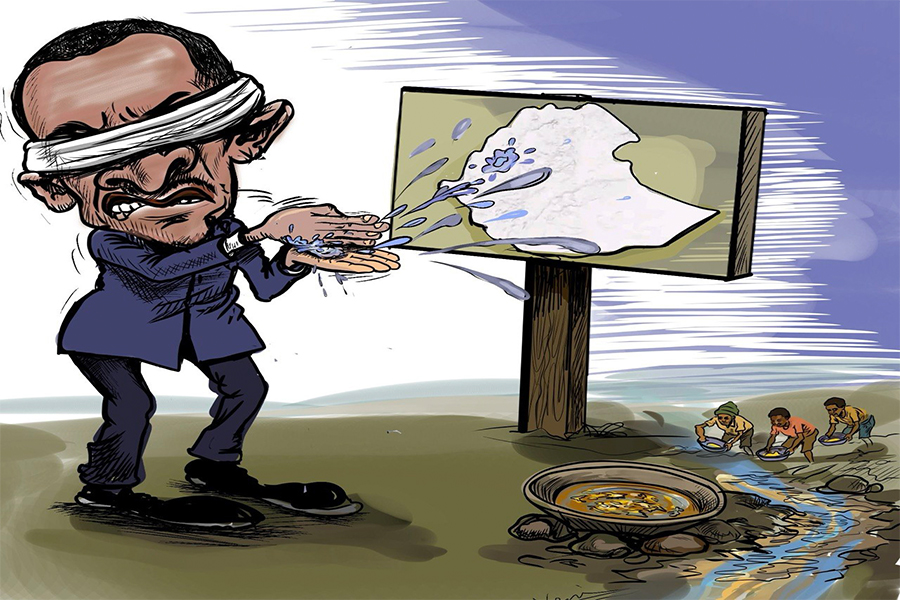
Jul 4 , 2026
In the goldfields of the Benishangul-Gumuz Regional State, Ethiopia's balance-of-paym...
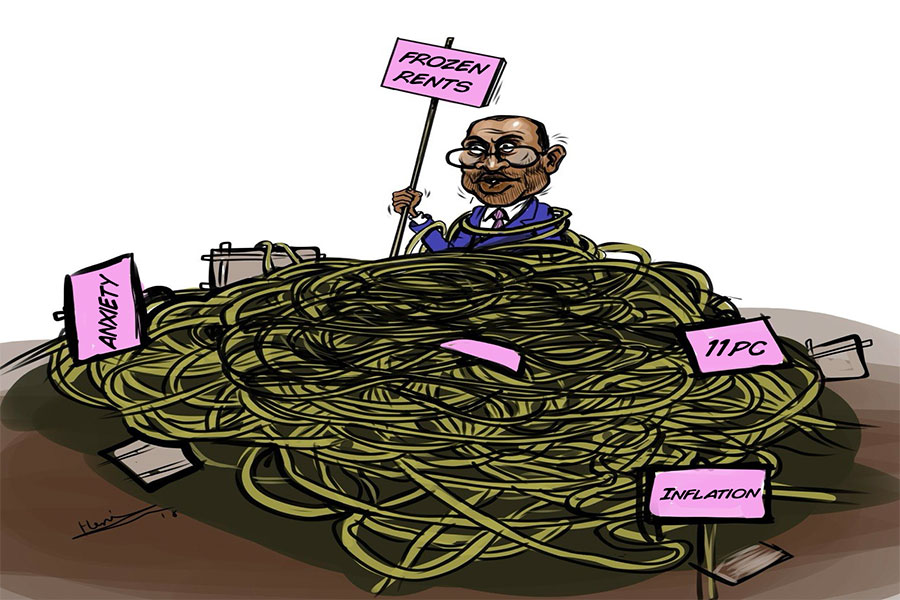
Jun 27 , 2026
The federal legislative house rushed through one of the country's most contentious ho...
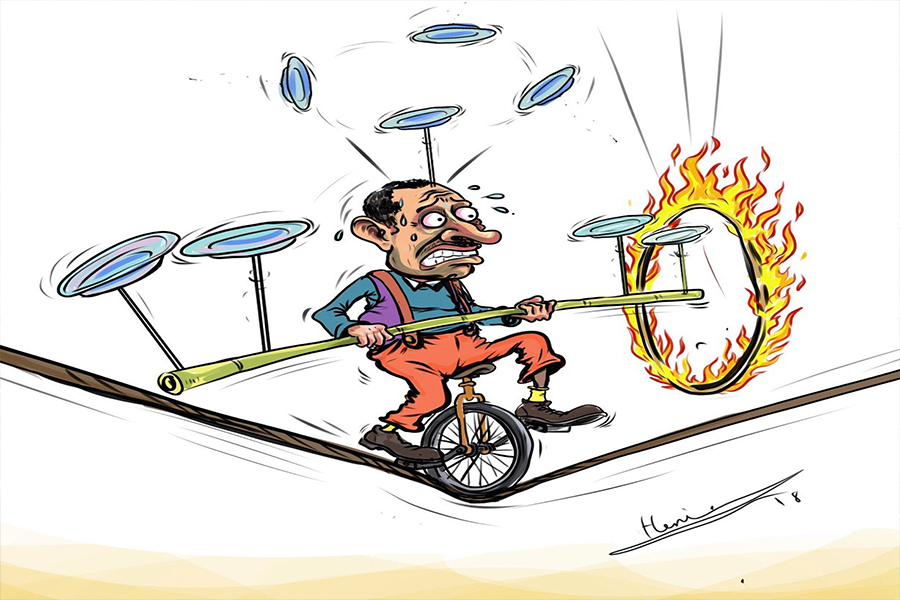
When Parliament takes up the appropriation bill, federal legislators will receive a d...
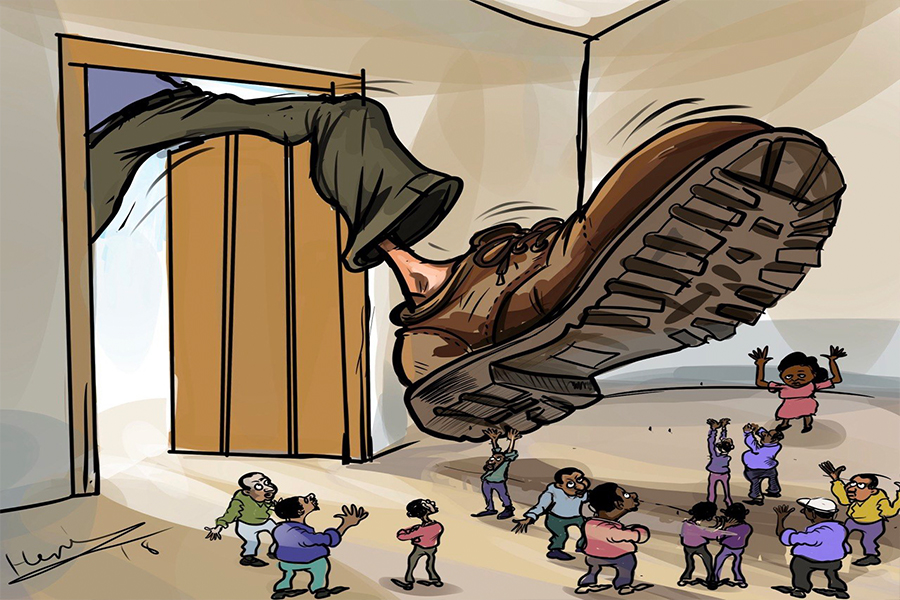
Jun 13 , 2026
The recent policy decision to fully open freight forwarding to foreign capital may be...
Jul 7 , 2026
The health sector remains underprovided despite rising public spending, Prime Ministe...
Jul 7 , 2026
Prime Minister Abiy Ahmed (PhD) delivered one of his bluntest rebukes yet to the coun...

Jul 7 , 2026
Prime Minister Abiy answered his critics with a mix of gratitude and edge, thanking l...

Jul 7 , 2026
A ruling-party lawmaker, Mohammed Ahmed, called the Chamber to its feet for Prime Min...






 Loading your updates...