
Fortune News | Feb 09,2019



Jan 28 , 2026

The National Bank of Ethiopia (NBE) has launched an automated foreign exchange trading system that promises to transform how commercial banks transact in the interbank currency market.
The platform, integrated into the Ethiopian Securities Exchange’s (ESX) trading infrastructure, allows licensed banks to quote, match, and settle forex transactions electronically and in real time, replacing the outdated phone-based and manual dealing system that had long been a fixture in the highly controlled forex market.
However, participation at the platform is limited to licensed commercial banks and vetted institutions, ensuring that trades remain within the bounds of supervisory control while pushing the forex regime toward a more credible, market-based mechanism.
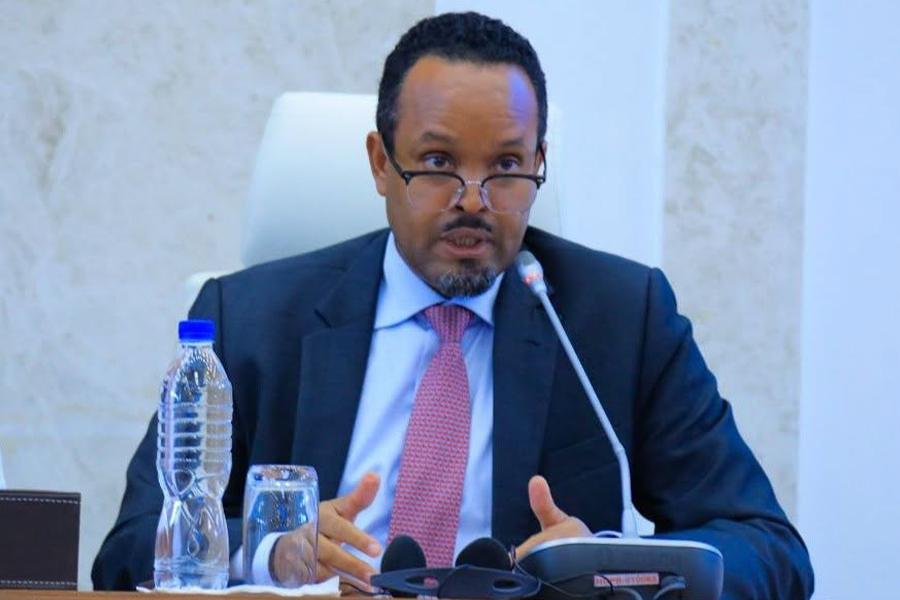
Governor Eyob Tekalegn (PhD) praised the platform as “a decisive move toward a transparent and rules-based market where exchange rates are set by real-time supply and demand.”
By allowing banks to submit market and limit orders through secure logins, the platform leverages algorithmic matching principles, typically price–time priority, to determine the most competitive rates. The automation also anonymises counterparties until trades are confirmed, shielding banks from premature disclosures and negotiation bias, a hallmark feature of advanced platforms like Bloomberg’s Bmatch used in developed and emerging markets alike.
The Governor called the system’s rollout “a pivotal milestone in modernising the country’s foreign exchange infrastructure.”
The technology is not only meant to improve price discovery and narrow spreads between buying and selling prices, but also hoped to streamline settlement through the Central Bank’s real-time gross settlement (RTGS) framework. The inclusion of algorithmic trading capabilities signals a major leap in sophistication, enabling banks to automate execution strategies, while the Central Bank enhances oversight through full access to live order books and transaction logs.
The platform is governed by a suite of updated rules, including the Forex Market Guidelines, Exposure Limits Directive, and a new Code of Conduct. According to the NBE, these regulations are designed to ensure systemic soundness, minimise operational risks, and reinforce regulatory discipline in the midst of wider financial sector liberalisation.
Ethiopia now joins a growing list of African and emerging-market economies that have adopted electronic interbank forex platforms. Countries such as Kenya, Nigeria, and Ghana have implemented similar systems over the past decade, with varying degrees of central bank involvement and exchange rate flexibility.
Fortune News | Feb 09,2019

Radar | Sep 24,2022

Fortune News | Mar 09,2020
Radar | May 06,2023
Radar | Nov 30,2019

Money Market Watch | Jan 04,2026
Fortune News | Apr 02,2022

Fortune News | Dec 11,2021

Radar | Dec 15,2024
Fortune News | Apr 28,2024

Photo Gallery | 193834 Views | May 06,2019

Photo Gallery | 183720 Views | Apr 26,2019

Photo Gallery | 180609 Views | Oct 06,2021

My Opinion | 145976 Views | Aug 14,2021








Aug 28 , 2026
Every year, the Ministry of Education (MoE) sets a national examination. Every year,...
Aug 22 , 2026
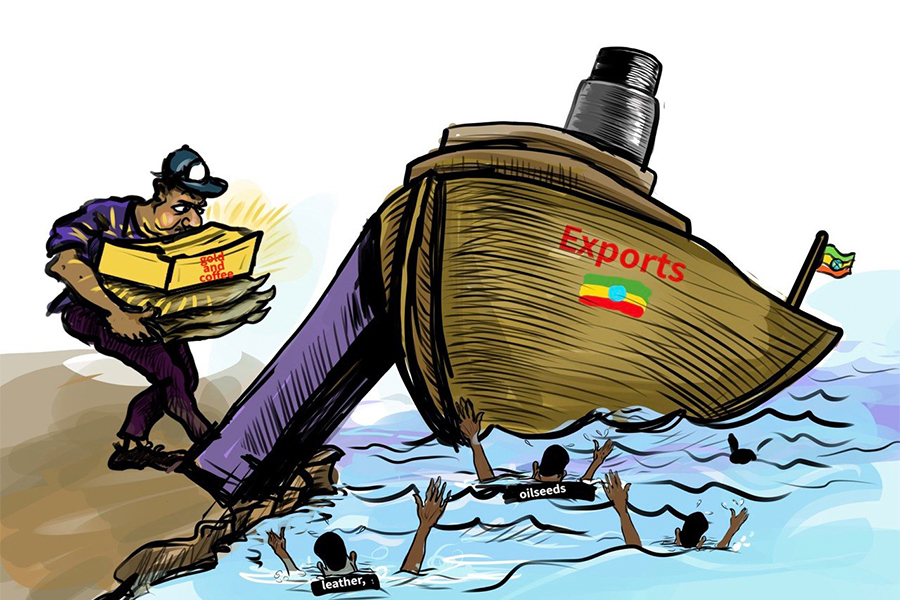
A record is a strange thing to worry about. Federal trade officials have booked the b...

Aug 14 , 2026
Aschalew Fetene, known as “Ardi” and admired for his poetic depth, has built a ti...

Aug 8 , 2026
The World Bank asks readers to picture a mother in rural Ethiopia who has never held...







 Loading your updates...