
Radar | Feb 21,2026



Jan 3 , 2026.
The decades after the 1960s were unkind to Emperor Hailesellasie. Ethiopia, once able to lean on a special bond with Israel for diplomatic ballast, found itself cornered when the Jewish state went to war against its neighbours during the "Six-Day War" of 1967.
Africa’s verdict came quickly. The newborn Organisation of African Unity (OAU), headquartered in Addis Abeba, denounced Israel as an aggressor and echoed United Nations Security Council Resolution 242 by demanding withdrawal. Pressure intensified after the October 1973 war. Guinea severed ties first; by year’s end, every African country bar apartheid South Africa, Malawi, Lesotho and Mauritius had followed.
Ethiopia vacillated, torn between geography and alliances, but in October 1973, it reluctantly closed its embassy in Tel Aviv, becoming the continent’s penultimate defector, second only to Botswana. Many Ethiopians, mindful of ancient Judaic links, felt sympathy for Israel, while Washington, Addis Abeba’s super-power patron, urged restraint. Such cross-cutting loyalties turned foreign policy into a precarious balancing act.
More than half a century later, a similar tangle has returned, once again involving Israel and, once again, pinning Ethiopia between principle and interest. In December 2025, Benjamin Netanyahu, Israel’s embattled prime minister, startled the region by recognising the Republic of Somaliland, a territory that broke from Somalia in 1991 yet has never been admitted to the international club. Arab capitals howled. Djibouti, Egypt and the African Union (AU) issued condemnations. The European Union (EU) urged dialogue while proclaiming its commitment to “respecting the unity, the sovereignty and the territorial integrity of Somalia”, calling that unity “key for the peace and stability of the entire Horn of Africa region”.
Ethiopia’s government remains silent until late Saturday, our press time. So does the United States government.
The AU Commission Chairperson, former Djiboutian foreign minister, Mohamoud Ali Youssouf, branded the decision a “dangerous precedent” and urged members to close ranks. China, keen to court relations in Africa, issued an unusually sharp protest.
Successive Ethiopian leaders have pondered the same question that now confronts Prime Minister Abiy Ahmed (PhD). Over three decades, Addis Abeba has cultivated warm, if discreet, ties with Hargeisa, sharing intelligence, training officers and buying livestock, yet has refused to hand over the coveted certificate of recognition. The late Meles Zenawi liked to quip that Ethiopia would be “neither the first nor the third” to do so, hinting that it might act only when the diplomatic price had fallen low enough. His successors have maintained that hedged bet, deepening practical cooperation while keeping formal endorsement in reserve.
Their caution is easy to grasp. Ethiopia has fought Somalia several times, most recently dispatching troops to dislodge a militant group that birthed al-Shabaab in the mid-2000s. Granting recognition could cast Ethiopia as an architect of Somalia's disunity. Mengistu Hailemariam (Col.), once supported and armed insurgents against Siad Barre, the dictator whose fall in 1991 opened the way for Somaliland’s declaration of independence.
Somaliland, for its part, insists it is not seceding but restoring a sovereignty it enjoyed briefly in June 1960, between British withdrawal and voluntary union with Italian Somalia a month later. When civil war returned to the north three decades later, its elders proclaimed the revival of that state within its old colonial borders, citing the African Union’s commitment to respect such frontiers. In the 34 years since, Somaliland has adopted a constitution by referendum, held six competitive elections, fielded security forces, collected taxes and kept most of its roughly four million people reasonably safe.
On paper, the republic also meets the Montevideo Convention’s four criteria for a country worthy of a seat at the UN. It has a defined territory, a permanent population, an effective government and the capacity to conduct foreign relations. It issues passports, entertains liaison offices from Ethiopia, Britain and Denmark to Taiwan and the United Arab Emirates (UAE), and signs lucrative commercial deals. Dubai’s DP World is investing hundreds of millions of dollars to modernise the Port of Berbera.
However, aside from Israel, no member of the African Union or the United Nations has formally recognised Somaliland. It cannot join the World Bank or the IMF, raise sovereign debt or sign treaties.
Opponents of recognition care less about governance than about precedent. The African Union’s Commission warns that blessing a unilateral break could embolden separatists in Puntland and Catalonia alike. The IGAD and heavyweights on the UN Security Council talk darkly of “provocative steps” that might open space for jihadists. Legalists cite Article 2(4) of the UN Charter, which bars threats to territorial integrity, and Article 4(b) of the AU’s Constitutive Act, which freezes colonial borders in place.
If Somaliland earns recognition simply because it wields effective control and holds tidy elections, why deny the same privilege to Abkhazia, South Ossetia, Transnistria, Northern Cyprus or Artsakh?
The fear is that Catalan, Quebecois and Scottish nationalists would seize on the example. Rebels in eastern Congo, Cameroon and Nigeria’s south-east would take heart. Continental elders recall how Biafra’s bid for independence in 1967 ended in famine and more than a million deaths. The anxiety of a chain reaction runs deep.
Supporters of Somaliland's independence respond that Africa has redrawn its borders when logic demanded. Eritrea split from Ethiopia in 1993 after a UN-monitored referendum endorsed by Addis Abeba. South Sudan became independent in 2011 following a peace deal with Khartoum. Bangladesh, Kosovo and Timor-Leste all emerged despite warnings about precedent.
Somaliland’s hybrid political system, blending clan councils with elected chambers, delivers better governance than many recognised states. Inflation is modest, elections are usually peaceful, and piracy off its coast has diminished. Supporters note that nominal GDP reached four billion dollars and growth averages four percent, helped by roughly one billion dollars in annual remittances.
Landlocked since Eritrea’s independence, Ethiopia longs for a reliable path to the sea. A recent memorandum signed between Prime Minister Abiy and Somaliland's former President, Musa Bihi, has Hargeisa dangling a 50-year military-naval base and commercial lease on 20Km of coastline in exchange for recognition. In exchange for recognition of Somaliland as an independent state, Ethiopia would have a perch overlooking the Bab al-Mandeb, through which a tenth of world trade passes.
In granting recognition to Somaliland, Israel has paid the “first recogniser” price and may have given Addis Abeba cover. Its leaders can claim they are following an emerging reality rather than leading a revolt against continental norms.
But the costs of granting Somaliland recognition are equally clear for Ethiopia's leaders.
Emperor Hailesellasie’s belated rupture with Israel gained no new friends and lost old ones. Acting too quickly today could alienate allies without delivering concrete gains, while waiting too long might let other powers corner the spoils.
Whether Somaliland joins the international club will depend less on its domestic virtues than on its neighbours’ calculations. If Ethiopia's contemporary leaders judge the prize worth the price, a cascade could follow. Should the AU hold firm, Israel may remain an outlier and Somaliland a diplomatic orphan. For now, the republic lives in a grey zone—functioning day to day, yet denied the legal personality that would allow loans, arbitration, or multilateral aid. Foreign Minister Gedeon could canvas capitals, probing whether a small coalition, perhaps Kenya, Rwanda or Ghana, and urge them to move in concert, diluting the risk of standing alone.
Understandably, Somalia vows diplomatic retaliation, and Al-Shabaab would trumpet betrayal to rally recruits. The AU, headquartered in Addis Abeba, could censure its host. Egypt, still fuming over the Nile dam, would happily exploit any rift to isolate Addis Abeba. The “Pandora’s box” that, once cracked, could not be closed, hence the talk of a dual-track approach.
Ethiopia could deepen trade, infrastructure, and security cooperation with Somaliland, formalising the Berbera corridor, perhaps stationing a token naval force, while keeping recognition sheathed as a bargaining chip to nudge Mogadishu toward a mutually acceptable sea-access arrangement.
As his distant predecessor, Prime Minister Abiy is once again confronted with a foreign policy dilemma of whether to choose geography, commerce and strategy over law, precedent and domestic politics. Postponing hard choices rarely spares a country the bill. Whatever course its leaders set, in the end, the question is whether Africa prefers a map frozen by fear or one that rewards competence. Ultimately.
PUBLISHED ON
Jan 03,2026 [ VOL
26 , NO
1340]
Radar | Feb 21,2026
Commentaries | Nov 27,2018
News Analysis | Dec 15,2024
Agenda | Jul 02,2022
Radar | May 23,2020
Radar | Jun 22,2024
Delicate Number | Jul 15,2023
Covid-19 | Mar 29,2020

Fortune News | Jul 28,2024

View From Arada | Feb 01,2020

Photo Gallery | 190979 Views | May 06,2019

Photo Gallery | 180760 Views | Apr 26,2019

Photo Gallery | 177431 Views | Oct 06,2021

My Opinion | 143075 Views | Aug 14,2021





Dec 22 , 2024 . By TIZITA SHEWAFERAW
Charged with transforming colossal state-owned enterprises into modern and competitiv...

Aug 18 , 2024 . By AKSAH ITALO
Although predictable Yonas Zerihun's job in the ride-hailing service is not immune to...

Jul 28 , 2024 . By TIZITA SHEWAFERAW
Unhabitual, perhaps too many, Samuel Gebreyohannes, 38, used to occasionally enjoy a couple of beers at breakfast. However, he recently swit...

Jul 13 , 2024 . By AKSAH ITALO
Investors who rely on tractors, trucks, and field vehicles for commuting, transporting commodities, and f...
Jul 7 , 2026
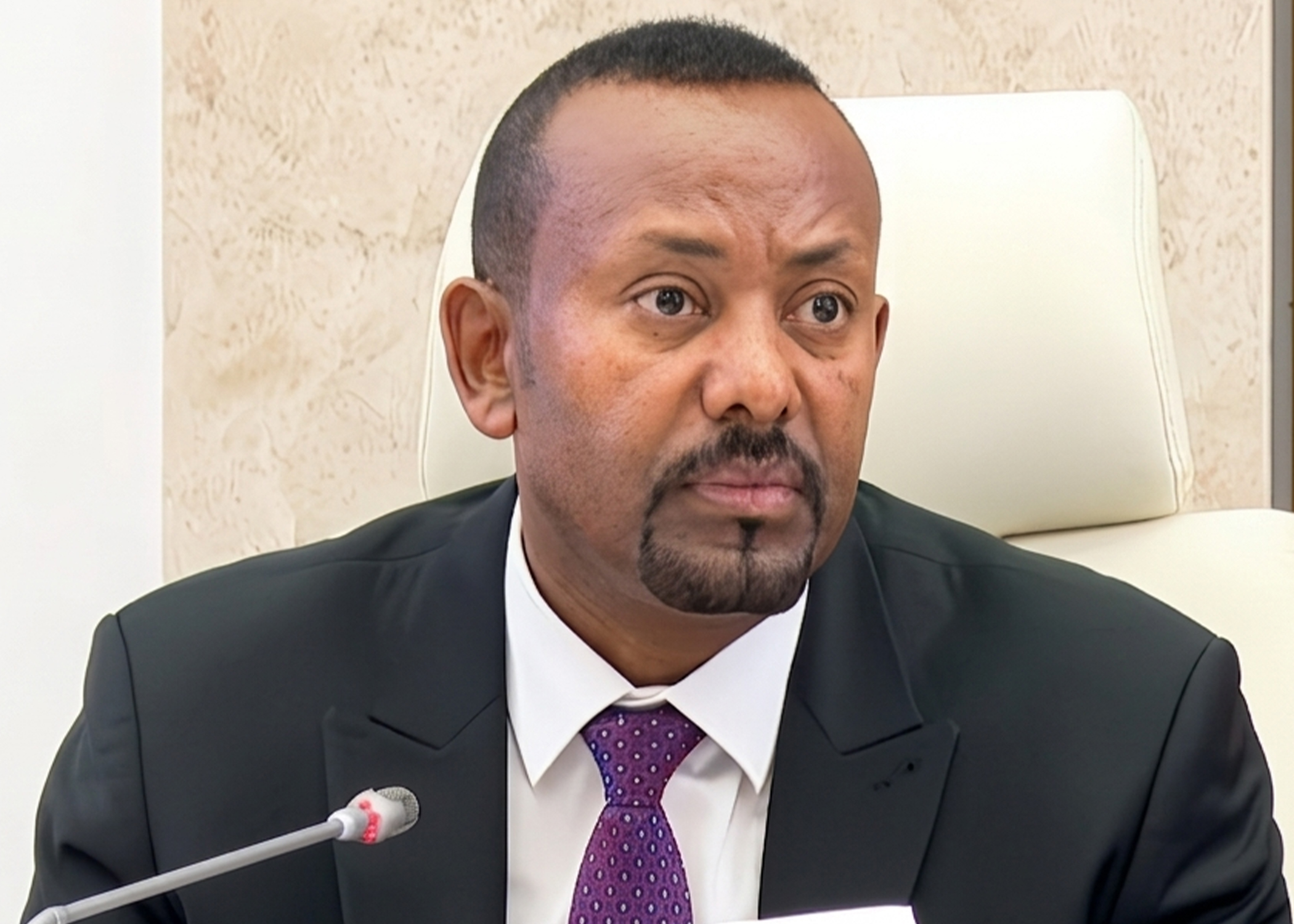
The health sector remains underprovided despite rising public spending, Prime Ministe...
Jul 7 , 2026
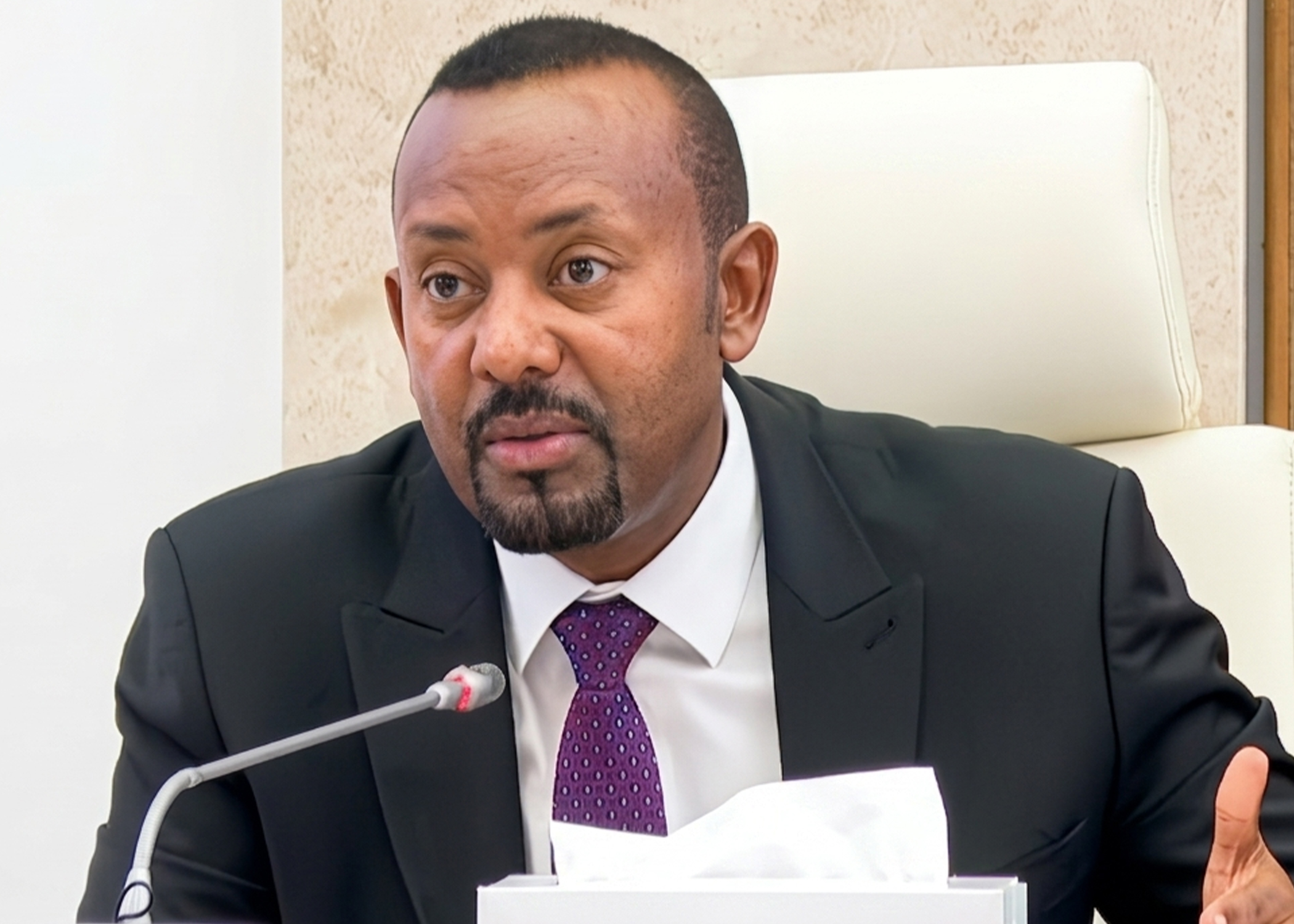
Prime Minister Abiy Ahmed (PhD) delivered one of his bluntest rebukes yet to the coun...
Jul 7 , 2026
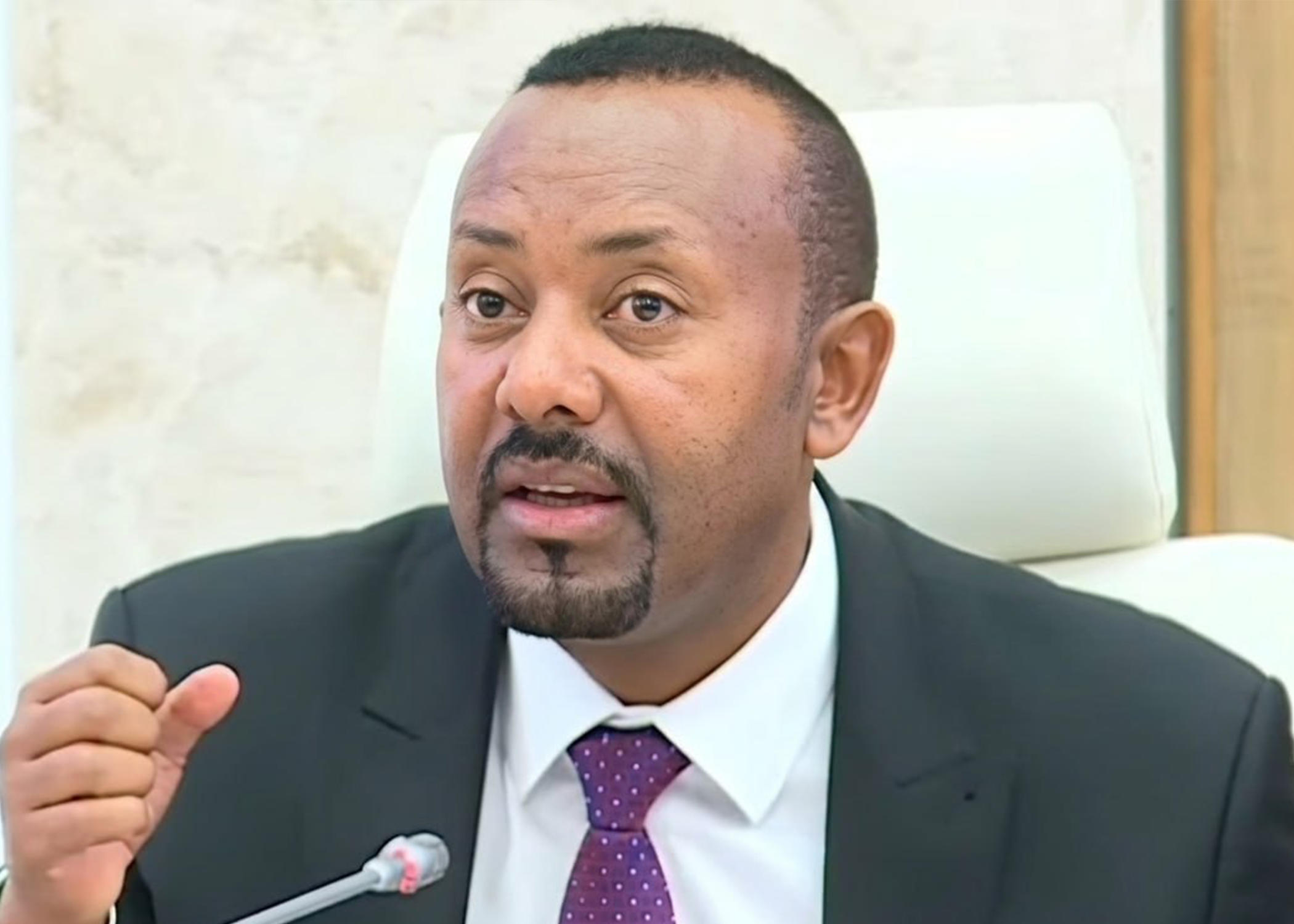
Prime Minister Abiy answered his critics with a mix of gratitude and edge, thanking l...
Jul 7 , 2026
A ruling-party lawmaker, Mohammed Ahmed, called the Chamber to its feet for Prime Min...








 Loading your updates...