Photo Gallery | 185859 Views | May 06,2019
May 2 , 2026. By Birhanu Beshah (PhD) ( Birhanu Beshah (PhD), ( birhanu.beshah@aait.edu.et) is an associate professor in the School of Mechanical & Industrial Engineering of Addis Abeba University (AAU). )
For many merchants operating in informal or semi-formal markets, the traceability offered by digital platforms presents a unique dilemma. Every transaction creates a record accessible to tax authorities and regulators. The reluctance to join digital marketplaces often stems not from a lack of technical literacy but from a fear of premature regulatory scrutiny. This perceived risk of exposure to tax obligations may deter sellers from using platforms before their businesses are fully ready to formalise.
When Ethio telecom launched Zemen Gebeya nearly a year ago, Ethiopia’s digital business sector expected a breakthrough. The platform was presented as a step into modern e-commerce, where earlier ventures had struggled to build trust and scale.
Ten months later, its progress has been far quieter than Telebirr, the company's mobile money service, which moved quickly into use. The contrast points to a broader lesson for the domestic digital economy. Payments may matter, but they do not, by themselves, create commerce.
For years, the weak link in the local e-commerce sector was digital payment. Startups and early online platforms, from niche delivery firms to broader marketplaces, operated in an economy where cash dominated and financial inclusion was limited. Telebirr, banking apps and fintech services have changed that part of the equation. A workable digital payment ecosystem now exists. In theory, this should have opened the way for online commerce to expand. In practice, platforms such as Tinamart and government-backed initiatives from the Ministry of Trade & Regional Integration (MoTRI) have yet to win mass adoption.
The reasons are less technological than structural. E-commerce depends on more than an app, a wallet and a catalogue. It needs sufficient goods, a reliable supply and standard products that consumers can trust. Ethiopia’s macroeconomic setting makes that difficult. Persistent shortages, import constraints and fragmented production systems leave many sellers unable to offer steady stock.
Digital payments can scale once the infrastructure is in place, whereas physical commerce cannot. It needs available goods, priced clearly and backed by some assurance of quality. Without that base, even a well-designed marketplace risks becoming an empty storefront.
Logistics is another constraint. Online commerce requires dependable last-mile delivery, inventory management and return systems, factors that are lacking in the local context.
Zemen Gebeya can draw on Ethio telecom’s digital reach, but that reach does not automatically solve the physical distribution problem. Late deliveries, uneven service and limited coverage outside major urban centres can quickly undermine consumer confidence. In e-commerce, trust is built not only when a payment goes through, but also when the right product arrives on time and can be returned when something goes wrong.
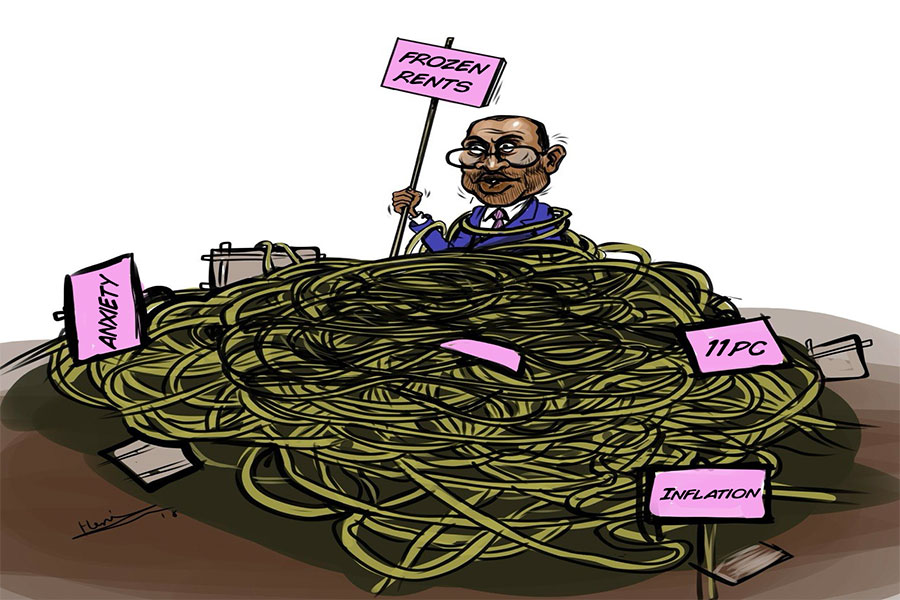
A less visible obstacle is traceability, in which digital platforms maintain records that can be reviewed by tax authorities and regulators. For merchants in informal or semi-formal markets, this transparency can feel risky. Their reluctance may not reflect opposition to technology, but they may fear that joining a platform could expose them to tax obligations or regulatory scrutiny before their businesses are ready.
Telebirr had a different path. Its growth was supported by policy action, especially the requirement to use digital payments for fuel transactions. That created a “must-use” case and embedded it in daily life. No similar policy push exists for e-commerce. That matters because platforms rarely grow from technology alone. They need aligned incentives across users, suppliers, regulators and service providers. Telebirr’s success shows what happens when infrastructure, policy and daily necessity meet.
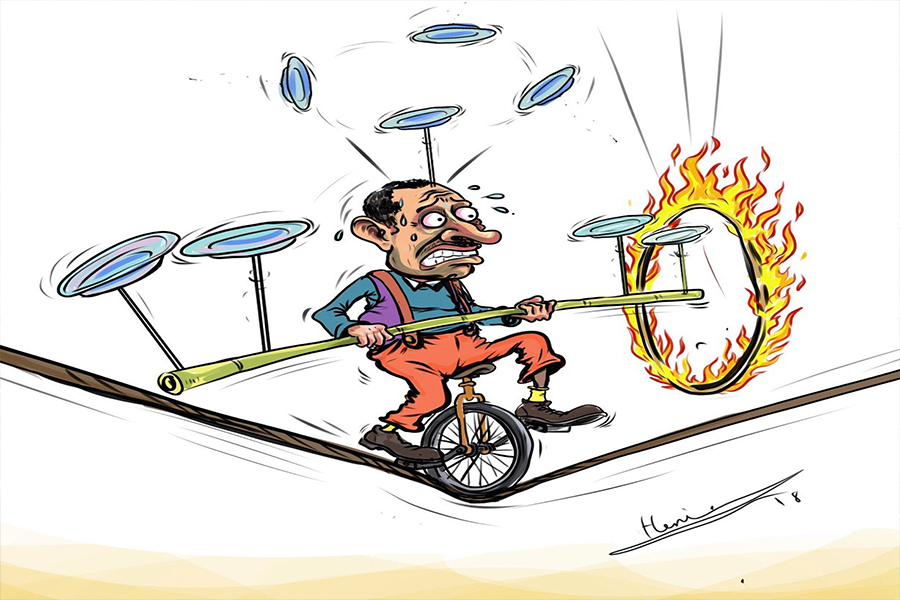
Zemen Gebeya operates in a harder market. Producers, wholesalers, logistics firms, regulators, and consumers all want to see value together. This is the classic challenge of platform economics. A marketplace works when enough buyers and sellers are present. But buyers wait for sellers, and sellers wait for buyers. Without intervention, both sides can remain stuck in a low-activity cycle.
The response begins with supply. Policymakers could encourage large producers and essential-goods suppliers to join. As fuel transactions helped anchor Telebirr, staple items, agricultural inputs or everyday consumer goods could give Zemen Gebeya a reliable base of demand and supply. It would then be less dependent on scattered merchants and irregular stock. Logistics should be treated as part of the core system, not an added service.
Public-private partnerships could help build shared delivery infrastructure, cut costs and improve reliability. Local courier networks could be supported and digitally integrated, allowing e-commerce to move beyond major cities. Regulation is another lever where formalisation could be important, but it should not scare away the merchants the platform needs. Simplified tax rules or temporary incentives for digital traders could reduce anxiety around traceability and encourage more sellers to participate.
Ethio telecom could also rethink the model. Instead of treating Zemen Gebeya as a separate marketplace, Telebirr could integrate its commerce functions. A “super app” approach would place buying and selling inside a service many users already know.
Zemen Gebeya’s slow uptake is not proof of failure. It is a sequencing problem in an ecosystem with a payment layer. The harder task is building supply, logistics, trust and incentives around it. The promise remains, but digital commerce will become mainstream only when it becomes necessary, reliable and easy.
PUBLISHED ON
May 02,2026 [ VOL
27 , NO
1357]
Photo Gallery | 185859 Views | May 06,2019
Photo Gallery | 175900 Views | Apr 26,2019
Photo Gallery | 171458 Views | Oct 06,2021
My Opinion | 139414 Views | Aug 14,2021
May 9 , 2026
The Ethiopian state appears to have discovered a fiscal instrument that is politicall...
May 2 , 2026
By the time Ethiopia's National Dialogue Commission (ENDC) reached the end of its fir...
Apr 25 , 2026
In a political community, official speeches show what governments want their citizens...
For much of the past three decades, Ethiopia occupied a familiar place in the Western...