

Photo Gallery | 185859 Views | May 06,2019



Jan 13 , 2024. By Eden Sahle ( Eden Sahle is founder and CEO of Yada Technology Plc. She has studied law with a focus on international economic law. She can be reached at edensah2000@gmail.com. )
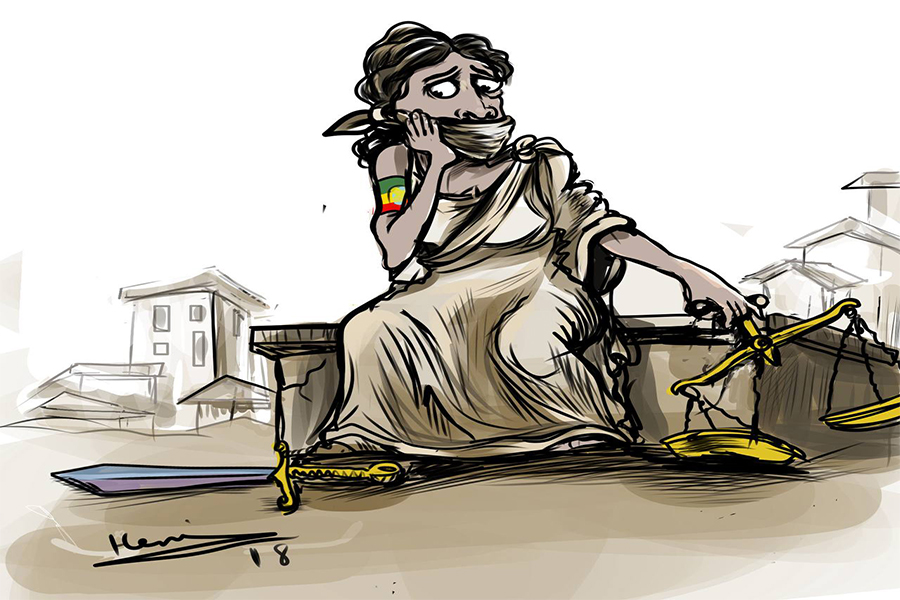
A recent controversy over televised content on rape got me thinking of my legal practitioner days. I witnessed the long-lasting emotional scars of victims that persist even after "justice" was served and physical wounds have healed.
I saw the victims strive to create awareness among the public so that no woman goes through what they went through. They get uplifted when they receive compassion from society as much as they grieve when they are misunderstood. Insensitive statements have the potential to reopen wounds and perpetuate misconceptions about this grave issue.
According to World Health Organisation (WHO), one out of 10 girls globally have been victims of sexual violence, including rape or other forced sexual acts. The number is similar in Ethiopia. The 2016 Ethiopia Demographic & Health Survey (2016 EDHS) by the Central Statistical Agency (CSA) revealed that divorced, separated or widowed women are more at risk of sexual violence (18pc) than unmarried women (two percent) while the most common perpetrator among married women (69pc) is a current partner.
In a society dealing with the pervasive issue of sexual violence, recent events have shed light on a deeply concerning matter: the trivialisation and normalisation of rape.
Attitudes and beliefs that are widely and continuously used to justify sexual aggression are prevalent and have the potential impact to have negative consequences for rape victims. Studies have shown that exposure to such type of content intensifies the perpetuation of crime and gender inequality.
The crux of the issue lies in the irresponsible portrayal of rape as a source of humour. Presenting such a brutal crime in a lighthearted manner contributes to the perpetuation of violence and aggression against women. It can have profound implications for victims who have experienced the physical, mental, and emotional aftermath of such crimes.
It is essential to understand why society holds personal views. Level of education, place of residence, religious affiliation and scepticism over the incident have been identified as aspects that endorse the internalisation process. When it is supported by sexism, gender norms, media portrayal and objectification, it opens the door to a victim-blaming attitude.
The impact affects children who may inadvertently be exposed to harmful material. Parents, rightfully concerned, are keeping their children away from media fearing exposure to inappropriate content.
In a society where sexual violence remains a serious and deeply entrenched issue, the responsibility to critically examine our attitudes and discourse becomes paramount.
Normalising rape not only erodes public trust but also contributes to the perpetuation of a crisis that demands our urgent attention. It is a societal ill that requires collective condemnation.
Rape should never be portrayed as a laughing matter. By breaking the silence and confronting the disturbing reality, we can contribute to a cultural shift that respects the gravity of this crime, supports survivors, and works tirelessly to eradicate sexual violence from the fabric of our society.
PUBLISHED ON
Jan 13,2024 [ VOL
24 , NO
1237]
Photo Gallery | 185859 Views | May 06,2019

Photo Gallery | 175900 Views | Apr 26,2019

Photo Gallery | 171458 Views | Oct 06,2021

My Opinion | 139414 Views | Aug 14,2021



May 9 , 2026
The Ethiopian state appears to have discovered a fiscal instrument that is politicall...
May 2 , 2026
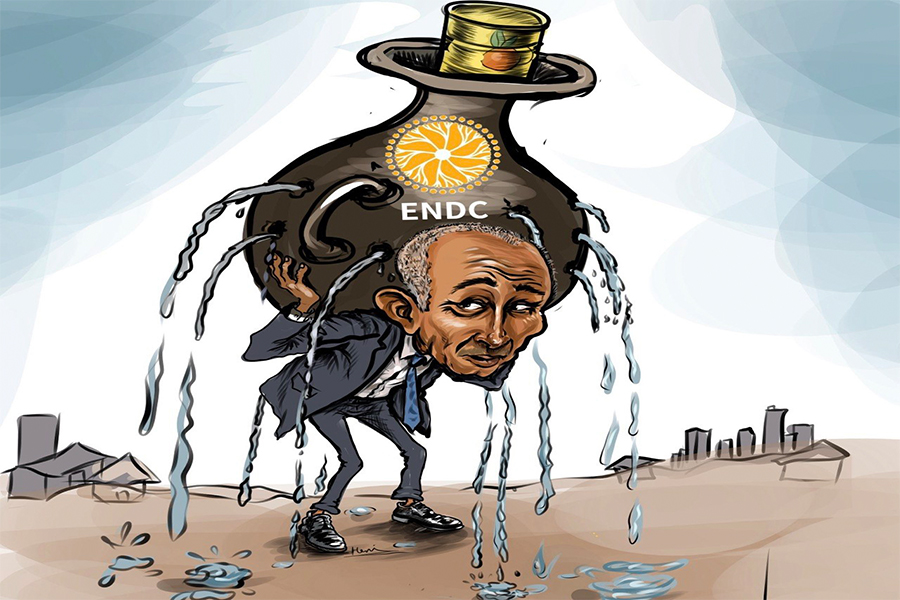
By the time Ethiopia's National Dialogue Commission (ENDC) reached the end of its fir...
Apr 25 , 2026
In a political community, official speeches show what governments want their citizens...

For much of the past three decades, Ethiopia occupied a familiar place in the Western...







 Loading your updates...