

Photo Gallery | 191702 Views | May 06,2019



Jun 30 , 2024.
Carts used to haul jerrycans on the cobblestone roads of the Bole neighbourhood are parked on a late Thursday afternoon. Acute water shortages in the capital have spawned several informal businesses over the past few years. Thousands earn daily wages delivering water to households from underground wells. Over 230 underground wells alongside the Lgedadi, Gefersa and Dire dams contribute 210,000 cubic meters of water daily to the capital. Nonetheless, using population data from the Ethiopian Statistical Services, water access is limited to 0.12 liters per person daily.
PUBLISHED ON
Jun 30,2024 [ VOL
25 , NO
1262]
Photo Gallery | 191702 Views | May 06,2019

Photo Gallery | 181455 Views | Apr 26,2019

Photo Gallery | 178163 Views | Oct 06,2021

My Opinion | 143712 Views | Aug 14,2021
Jul 18 , 2026
Pressed in Parliament on jobs and household incomes, Prime Minister Abiy Ahmed (PhD)...
Jul 11 , 2026
At a market stall, reform arrives without a communique. It comes as a higher transpor...
Jul 4 , 2026
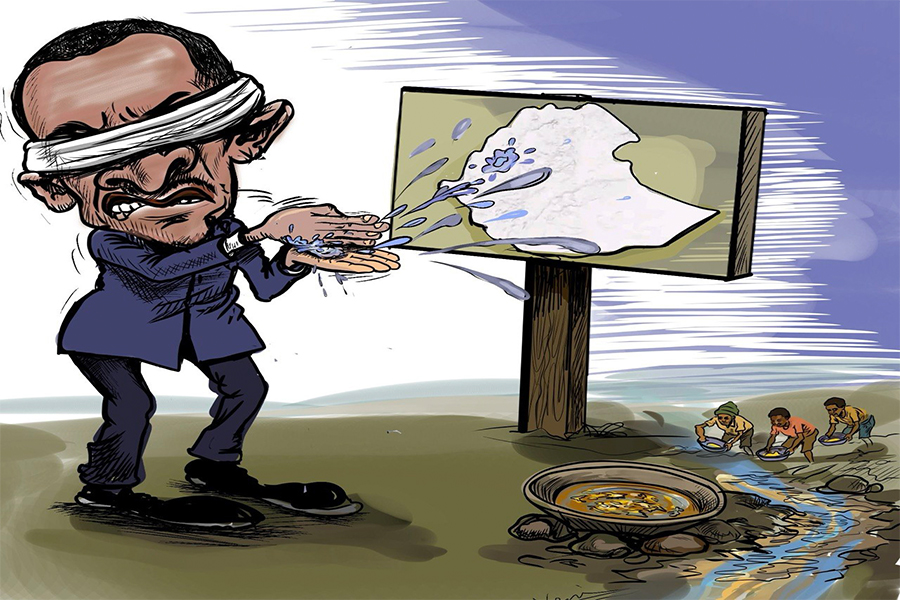
In the goldfields of the Benishangul-Gumuz Regional State, Ethiopia's balance-of-paym...
Jun 27 , 2026
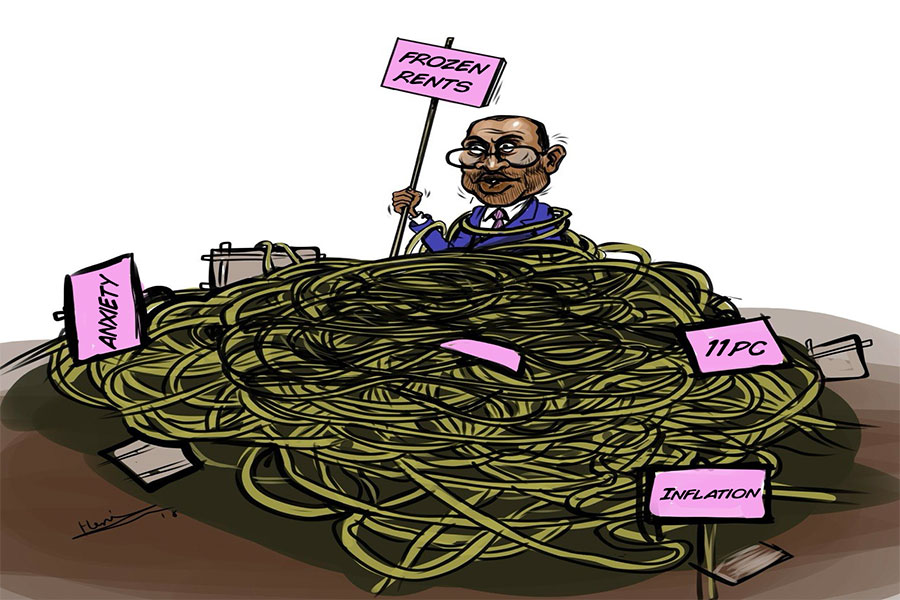
The federal legislative house rushed through one of the country's most contentious ho...







 Loading your updates...