

Photo Gallery | 185860 Views | May 06,2019



May 11 , 2025.
In northern Addis Abeba, a neighbourhood known for its vibrant community has become a symbol of relocation, as city authorities push forward with an ambitious riverside development project. Longtime residents who lived modestly in public houses, paying nominal rent, have been abruptly relocated into government-built condominiums, new structures they neither chose nor can afford. Many say they find themselves caught in a daunting financial squeeze, facing hefty down payments of 120,000 Br, an amount far exceeding their compensation for relocation. Across the city, a corridor development work, designed to modernise the city's congested and ageing neighbourhoods, initially offered displaced families the option to move into similarly affordable public housing or buy new condo flats with government-backed mortgages. But residents say the low-rent alternatives never truly existed, pushing thousands toward unaffordable condominium purchases. The initial 48Km phase of the project, undertaken at the cost of 33 billion Br, relocated approximately 11,000 people, demolishing tight-knit neighbourhoods and replacing them with wide boulevards and modern flats.
Families who reluctantly moved into the new condominiums did so under a promised flexibility. They could occupy units first, delaying initial payments. Now, as deadlines approach, more than 4,000 households face accumulating debt or eviction threats. Many have already spent their meagre relocation stipends, around 85,000 Br, on basic survival, hospital bills, or making their unfinished new homes habitable. With finances exhausted and opportunities limited, eviction has become a very real fear. Experts criticise the city administration’s hurried pace as indicative of poor planning and insufficient consultation. They argue that lower-income residents displaced by development projects deserve to share in the wealth created by increased land values, rather than bearing disproportionate financial burdens alone. The city officials maintain that modernisation is essential to accommodate Addis Abeba's ballooning population of nearly five million, but critics warn that authorities are trading the city’s cultural identity and social cohesion for mere cosmetic upgrades.
The financial strain extends beyond the displaced residents, now affecting the largest bank, the Commercial Bank of Ethiopia (CBE), which has only recovered 1.9pc of the projected 25.85 billion Br owed from housing bond repayments related to the condo project. This alarming shortfall has heightened concerns over the programme's viability and casts doubt on whether such aggressive redevelopment truly benefits the city or merely deepens existing social inequalities. As deadlines loom and residents confront mounting debts and possible homelessness, Addis Abeba’s ambitious urban transformation risks alienating the very citizens it purports to serve.
PUBLISHED ON
May 11,2025 [ VOL
26 , NO
1306]
Photo Gallery | 185860 Views | May 06,2019

Photo Gallery | 175901 Views | Apr 26,2019

Photo Gallery | 171460 Views | Oct 06,2021

My Opinion | 139414 Views | Aug 14,2021





May 9 , 2026
The Ethiopian state appears to have discovered a fiscal instrument that is politicall...
May 2 , 2026
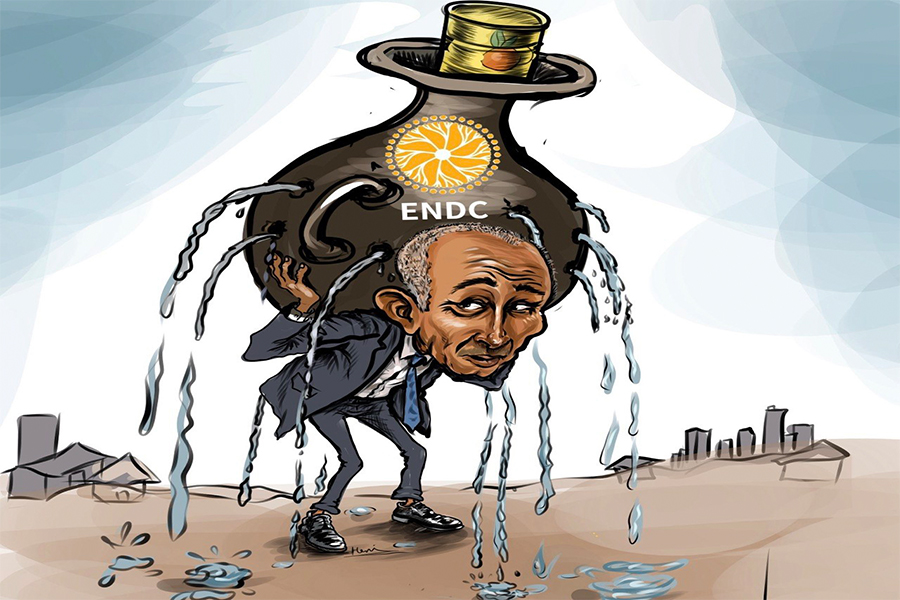
By the time Ethiopia's National Dialogue Commission (ENDC) reached the end of its fir...

Apr 25 , 2026
In a political community, official speeches show what governments want their citizens...

For much of the past three decades, Ethiopia occupied a familiar place in the Western...







 Loading your updates...