

Photo Gallery | 185860 Views | May 06,2019



. By Dawit Astatike ( FORTUNE STAFF WRITER )
Parliament elected eight MPs to chair standing committees during its Friday, November 9, 2018, session. While rejecting the nomination of two, the legislative body elected women to head half of the eight standing committees.
Moutuma Meqassa, former Minister of Defense, and Atsibeha Aregawi, nominated to chair the Foreign Relations & Peace Affairs and the Revenues, Budgeting & Finance Affairs standing committees, respectively, were rejected by parliament.
"The stand showed the importance of the parliament’s position in democratisation and reform processes, "Misrak Mekonen (PhD), head of the Parliament Office, told Fortune.
The case was similar to parliament’s deliberation on the organisation of the standing committees on November 6. After a two-hour long debate, parliament elected near unanimously to downsize the number of standing committees by half from 20 but disagreed on the nomination of Motuma and Amanuel Abraham, the deputy government whip. It also put off proposals to raise chairmanship of the committees to ministerial ranks for another session.
“Our main focus was not in what rank the chairs could serve, but whether they would be able lead the respective committees to effectively oversee the executive organs of the government," said MP Ashenafi Gaime, who was elected to lead the Urban Development, Construction & Transport Affairs Standing Committee, told Fortune.
Amanuel was also nominated and rejected to chair the Legal, Justice & Democracy Affairs Standing Committees. Instead, Fozia Amin was nominated and elected to the position with a majority vote. The remaining nominees were approved with unanimous votes.
Out of 20 standing committee chairs, four were approved despite the downsizing.
“Downsizing the number from 20 to 10 is for the effective utilisation of resources,” Tagesse Chaffo, speaker of parliament, said.
The standing committee will have subcommittees that range from 20 to 43, depending on the nature of the organs that the committees are mandated to oversee. The speaker has the mandate to place MPs in the subcommittees, which will number a total of 334 members.
Women’s, Youth & Social Affairs; Human Resources & Technology affairs and Agriculture, Pastoralist & Environmental Conservation Affairs standing committees will each have over 40 subcommittees under them.
Opposition party leaders were skeptical of the parliamentarians decisions on the standing committees.
"The idea behind strengthening standing committees to effectively account for executive organs is commendable," said Yilikal Getnet, an opposition party leader. "But nothing has changed as the parliament still seems unable to check the administrative organs of the government."
He is also suspicious of the rejection of the two nominees, claiming that it looked more personal than anything that has to do with their professional capacity.
PUBLISHED ON
[ VOL
19 , NO
968]
Photo Gallery | 185860 Views | May 06,2019

Photo Gallery | 175901 Views | Apr 26,2019

Photo Gallery | 171460 Views | Oct 06,2021

My Opinion | 139414 Views | Aug 14,2021

May 9 , 2026
The Ethiopian state appears to have discovered a fiscal instrument that is politicall...
May 2 , 2026
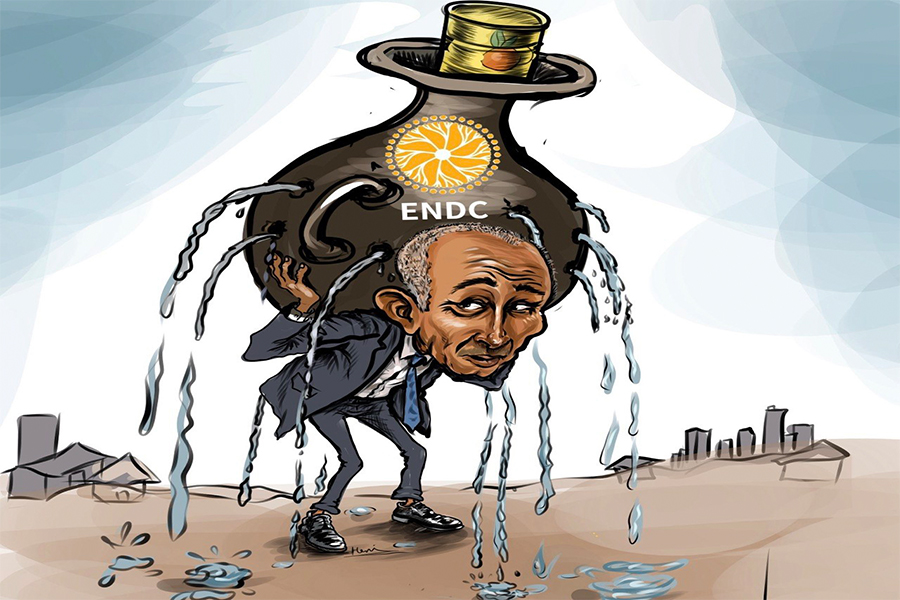
By the time Ethiopia's National Dialogue Commission (ENDC) reached the end of its fir...
Apr 25 , 2026
In a political community, official speeches show what governments want their citizens...

For much of the past three decades, Ethiopia occupied a familiar place in the Western...







 Loading your updates...