

Editorial | May 23,2021



Apr 4 , 2020
By Eden Sahle
On Tuesday afternoon, a show on state broadcaster Ethiopian Broadcasting Corporation (EBC) featured a host who spoke about how authorities are "hunting down" individuals to identify the spread of the Novel Coronavirus (COVID-19).
His fellow host did not step in to correct him but continued to refer to the contact tracing that is taking place to identify individuals with the virus as being "hunted down.” Such patronising statements were not only terrifying but incorrect and should not have been allowed to be repeatedly broadcasted.
The media has a heavy responsibility to inform the public of the facts and take every precaution not to appear biased or derogatory. Individuals who test positive for the virus are not criminals, and they are not being hunted. They are patients that require immediate care and treatment.
Branding them as outcasts or criminals creates a stigma. Our use of inappropriate language discourages us from having honest and informed conversations. It falls on those who work in media, as the channel through which the public is fed information, to be careful to send correct information.
Misunderstandings and misinformation about the disease do not stop with journalists. On the streets, people, especially non-nationals, who wear protective gear such as masks and gloves are being called “Coronavirus.” They are harassed and disrespected just for trying to keep themselves safe.
Such behaviour will only eat away at the solidarity we need in order to get through this time without a high loss of human life. The public needs to be informed properly to take the crisis seriously and do their part for the benefit of the country. We should all be repulsed by these acts of abuse and discrimination.
It should be understood that containing the virus is to the benefit of everyone. The government is justified now when it takes aggressive action that may limit personal freedoms. Neither should the authorities be tolerant of statements that mislead the public.
Our reaction to our current reality and what we choose to do about it has a significant influence on our existence as a society, perhaps now more so than ever. We can choose to be part of the solution or part of the problem but only with the understanding that the latter can devastate us all. This fundamental choice makes all the difference in how much preventive measures we can apply for the benefit of everyone.
It is only through prevention that we can protect ourselves. The alternative will be an overstretched health care system that will lead to the deaths of many. The public needs to be awakened to this reality. In Ethiopia, where there is a single doctor available for over 30,000 patients, people need to understand that disregarding prevention mechanisms is to gamble with their own life and the lives of others.
We should act proactively now to dust away the misconceptions before we reach the point of no return. We have just been handed a massive responsibility to become the keepers of our family, friends and society.
By embracing challenges together, we can find our way out of not just the current pandemic but the global economic crisis it will bring as well.
In the face of this global disaster, everyone is paying the price. The pain is simultaneous. This is no different for Ethiopia, as we have seen from the economic troubles we are now having. If we are not careful, and we fail to contain the spread of the virus, we will see the public health crisis other countries are suffering from as well. Only, in our case, the disaster will be much worse and consequential given our poor healthcare system.
It is understandable that there is indignation in relation to the health crisis, especially when it comes to the uncertainties that we are now faced with. But there are certain measures that we can take to overcome the situation together. This mainly has to do with the fact that if we follow social distancing measures, we will come out of this on the other side unscathed.
It is exciting to see a society whose sense of humanity, kindness, generosity and carefulness is ignited and sustained even at times like this. But this can only happen if there is awareness and access to facts.


PUBLISHED ON
Apr 04,2020 [ VOL
21 , NO
1040]
Editorial | May 23,2021
Sunday with Eden | Jun 14,2025
Editorial | Jun 07,2025
Radar | May 20,2023
Agenda | Mar 23,2019
Sunday with Eden | Feb 19,2022
Exclusive Interviews | Jan 07,2023
Viewpoints | Jul 10,2021
My Opinion | Feb 01,2020
Viewpoints | Feb 15,2020

Photo Gallery | 193224 Views | May 06,2019

Photo Gallery | 183110 Views | Apr 26,2019

Photo Gallery | 179909 Views | Oct 06,2021

My Opinion | 145355 Views | Aug 14,2021



Dec 22 , 2024 . By TIZITA SHEWAFERAW
Charged with transforming colossal state-owned enterprises into modern and competitiv...
Aug 18 , 2024 . By AKSAH ITALO
Although predictable Yonas Zerihun's job in the ride-hailing service is not immune to...
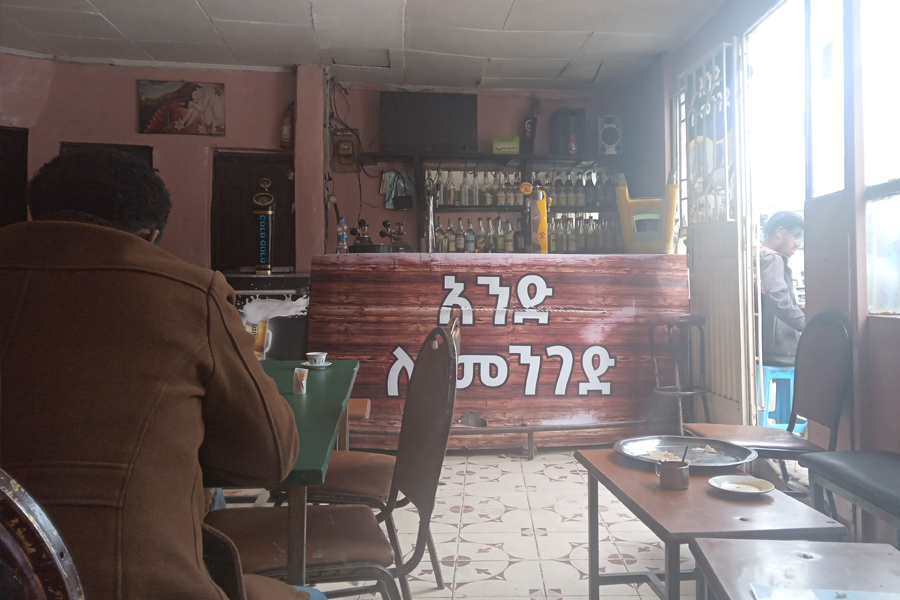
Jul 28 , 2024 . By TIZITA SHEWAFERAW
Unhabitual, perhaps too many, Samuel Gebreyohannes, 38, used to occasionally enjoy a couple of beers at breakfast. However, he recently swit...
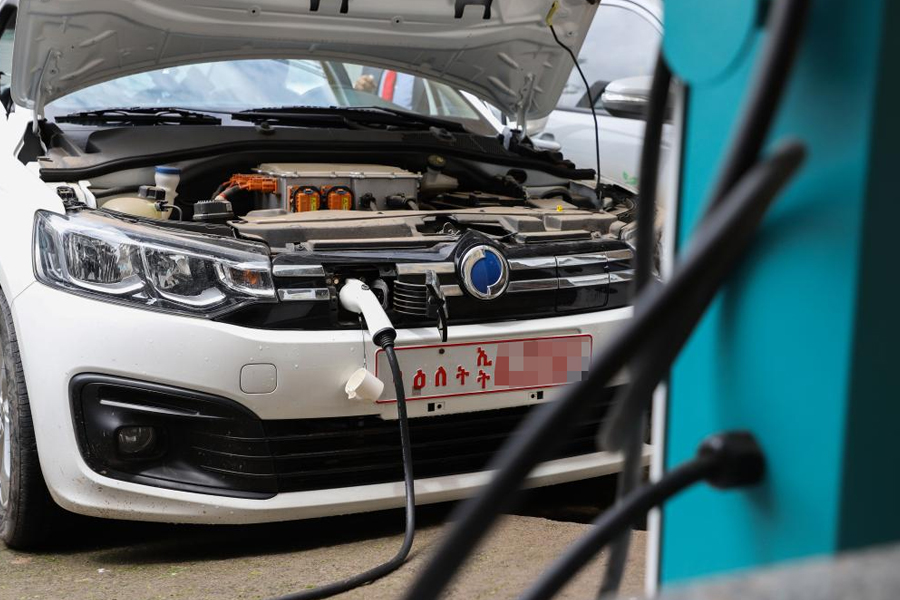
Jul 13 , 2024 . By AKSAH ITALO
Investors who rely on tractors, trucks, and field vehicles for commuting, transporting commodities, and f...
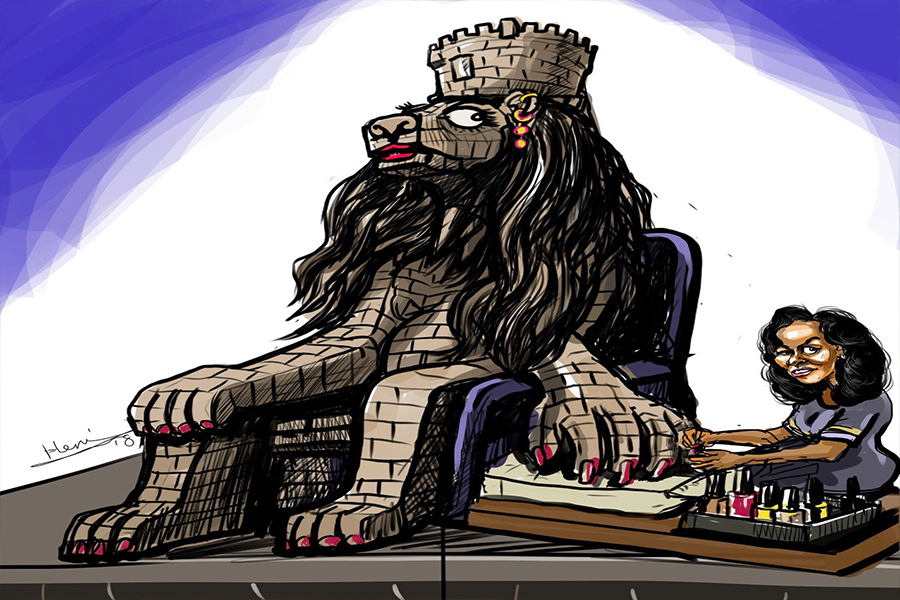
Aug 14 , 2026
Aschalew Fetene, known as “Ardi” and admired for his poetic depth, has built a ti...

Aug 8 , 2026
The World Bank asks readers to picture a mother in rural Ethiopia who has never held...

Jul 31 , 2026
Weldu Yiheysh has not read the Pacific temperature charts. He does not need to. In Shibta District of Enderta Wereda, in...
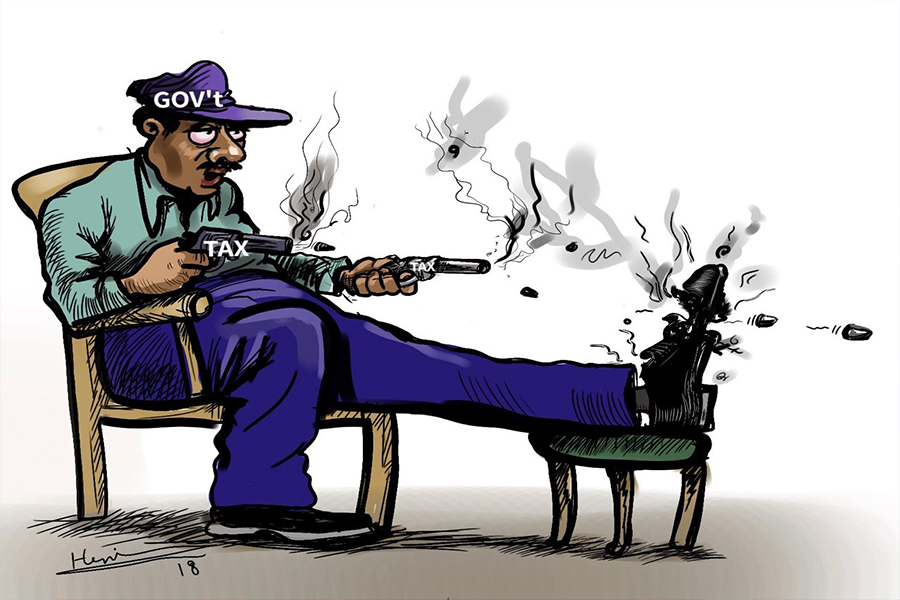
Jul 25 , 2026
Ideally, citizens who have paid income tax all year should not have to reach for thei...
Aug 15 , 2026 . By NAHOM AYELE
Federal prosecutors have charged seven defendants over a set of foreign-trade deals t...
Aug 15 , 2026 . By BEZAWIT HULUAGER
Ethio-post is preparing to turn its thousands of branches into banking agents, allowi...
Kassahun Gofe (PhD), minister of Trade & Regional Integration (MoTRI), is prepari...
Aug 16 , 2026 . By NAHOM AYELE
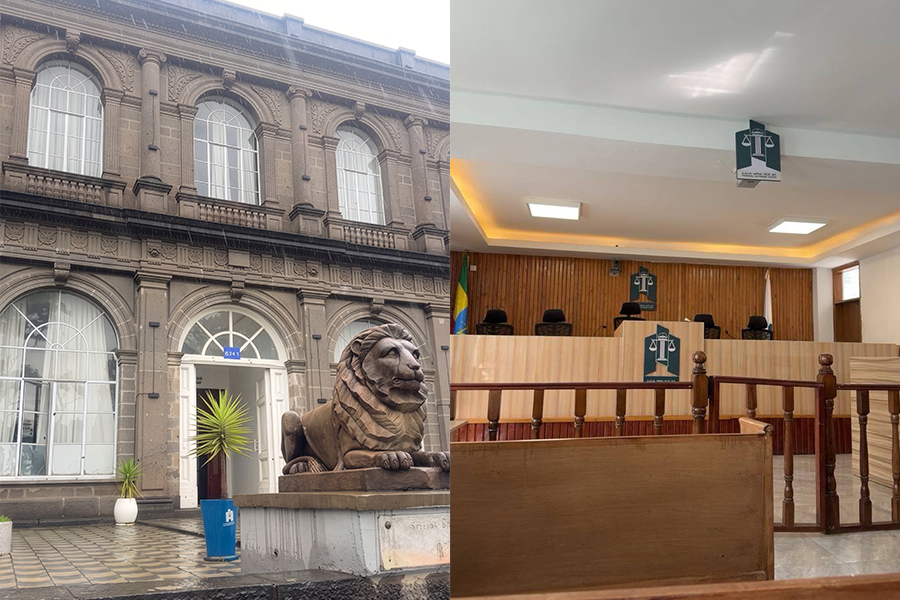
Justices at the Federal Supreme Court widened the shield they are holding over lawyer...




 Loading your updates...