

Radar | Jul 04,2026



Apr 6 , 2024
By Eden Sahle
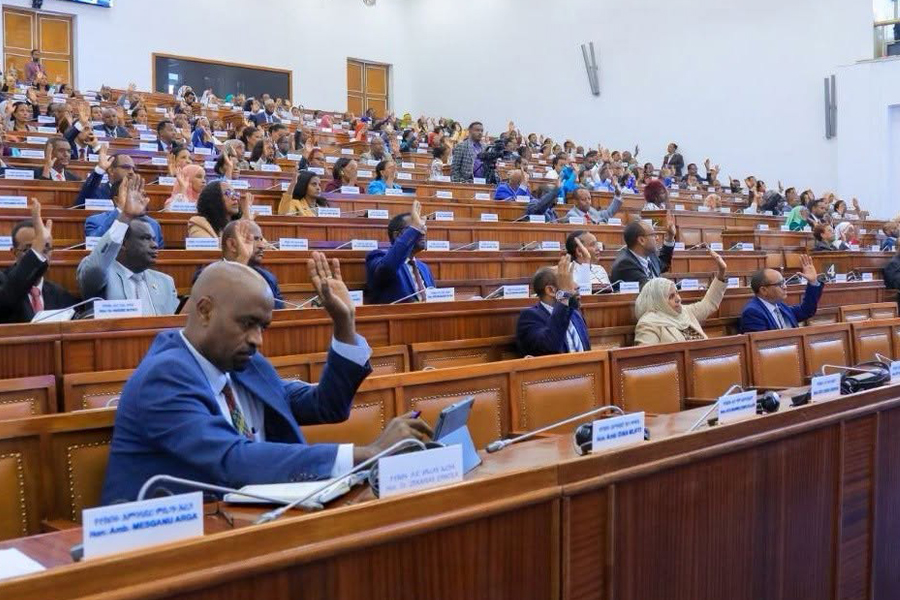
Last week's decision by lawmakers to regulate rental properties has sent shockwaves through the city. While many residents see it as a beacon of hope, others remain sceptical. Addis Abeba faces a severe housing crisis. The demand for affordable housing far exceeds the supply, forcing people into cramped, substandard dwellings or leaving them at the mercy of high rents for decent accommodation. This situation has widened the gap between rich and poor, exacerbating social inequalities.
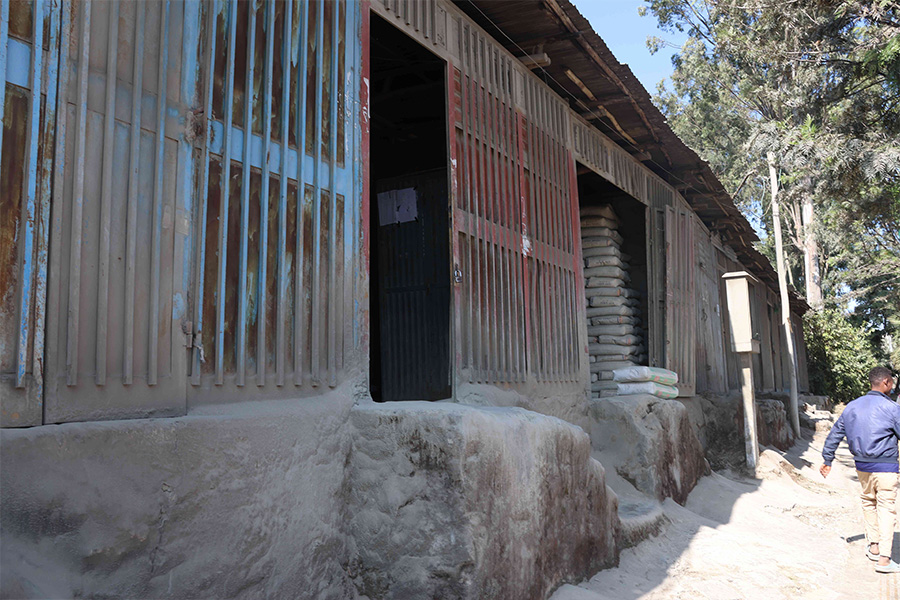
Many residents pay exorbitant rents for one-room galvanised steel houses that lack basic amenities. Despite the excitement surrounding the new regulations, there is a sense of cautious optimism. Tenants fear landlords accustomed to exorbitant rents may find ways to circumvent the system. They point to past experiences where citing previous rent control laws offered no protection from eviction or rent hikes.
Even those living in high-end rentals remain apprehensive. They believe landlords will find ways to maintain their income, either through informal payments or circumventing the regulations entirely.
While rent control seems like a quick fix, it may indeed benefit tenants in the short term by offering stability, but it could also have unintended consequences. Landlords might resort to demanding informal "top-up" payments to compensate for reduced rental income. Meanwhile, desperate renters could be forced to pay above the regulated rate to secure a place to live.
The risk of reduced housing availability is another concern. Faced with lower returns, landlords might withdraw properties from the market, further constricting the already limited supply. I believe a more comprehensive approach is needed; a combination of policies, including increased investment in social housing projects.
Some view rent control as a temporary crisis response, while others argue it could be a long-term measure to prevent market excesses. However, potential economic drawbacks loom in the absence of addressing the root cause of the crisis. Examples like India illustrate the potential pitfalls of rent control. In some cases, it led to a decline in property quality as landlords opted to exit the market, leaving tenants in even worse conditions.
There is a consensus among housing scholars: rent control alone cannot solve the problem. It must be implemented alongside increased social housing initiatives and additional measures to address affordability. Economists with strong opposing views believe rent control deters investment in the rental market. Reduced returns could discourage new entrants and incentivise existing landlords to exit, ultimately decreasing the available housing stock.
Furthermore, limited rental income could discourage landlords from properly maintaining their properties. This could lead to a deterioration of existing housing, impacting the quality of life for tenants.
Looking beyond traditional methods, exploring affordable construction technologies could offer promising alternatives. Incentivising the private sector through tax breaks, subsidies, and land grants could encourage increased development of affordable housing projects. Public-private partnerships could also play a vital role in addressing the housing shortage.
Tax exemptions have proven successful in encouraging the development of affordable housing. This approach not only increased the supply of affordable units in countries like India but also benefited developers.
Residents' concerns highlight the need to address potential loopholes in the rent control scheme. The government must consider inflation in property costs and explore additional solutions to ensure a balance between affordability for tenants and a fair return for landlords.
Ultimately, a sustainable and fair housing market requires a delicate balance. Rental prices need to cover landlords' expenses while remaining accessible for tenants. Only then can Addis Abeba address its housing crisis and ensure a decent standard of living for its residents.
PUBLISHED ON
Apr 06,2024 [ VOL
25 , NO
1249]
Radar | Jul 04,2026

Radar | Jul 13,2020
Radar | Jul 06,2019

Fortune News | Mar 09,2020

Radar | Jun 14,2026

Photo Gallery | 193881 Views | May 06,2019

Photo Gallery | 183776 Views | Apr 26,2019

Photo Gallery | 180676 Views | Oct 06,2021

My Opinion | 146022 Views | Aug 14,2021









Dec 22 , 2024 . By TIZITA SHEWAFERAW
Charged with transforming colossal state-owned enterprises into modern and competitiv...

Aug 18 , 2024 . By AKSAH ITALO
Although predictable Yonas Zerihun's job in the ride-hailing service is not immune to...

Jul 28 , 2024 . By TIZITA SHEWAFERAW
Unhabitual, perhaps too many, Samuel Gebreyohannes, 38, used to occasionally enjoy a couple of beers at breakfast. However, he recently swit...

Jul 13 , 2024 . By AKSAH ITALO
Investors who rely on tractors, trucks, and field vehicles for commuting, transporting commodities, and f...

Aug 28 , 2026
Every year, the Ministry of Education (MoE) sets a national examination. Every year,...

Aug 22 , 2026
A record is a strange thing to worry about. Federal trade officials have booked the b...

Aug 14 , 2026
Aschalew Fetene, known as “Ardi” and admired for his poetic depth, has built a ti...

Aug 8 , 2026
The World Bank asks readers to picture a mother in rural Ethiopia who has never held...
Aug 29 , 2026 . By BEZAWIT HULUAGER
The federal government is increasingly relying on Treasury bills (T-bills) to repay T...
Aug 29 , 2026 . By NAHOM AYELE
Judges on a Federal High Court bench have ordered D'Afrique, one of Addis Abeba's old...
Sep 1 , 2026 . By BEZAWIT HULUAGER
The Ministry of Revenues wants to know not just who a taxpayer is but almost everythi...
Aug 29 , 2026 . By BEZAWIT HULUAGER
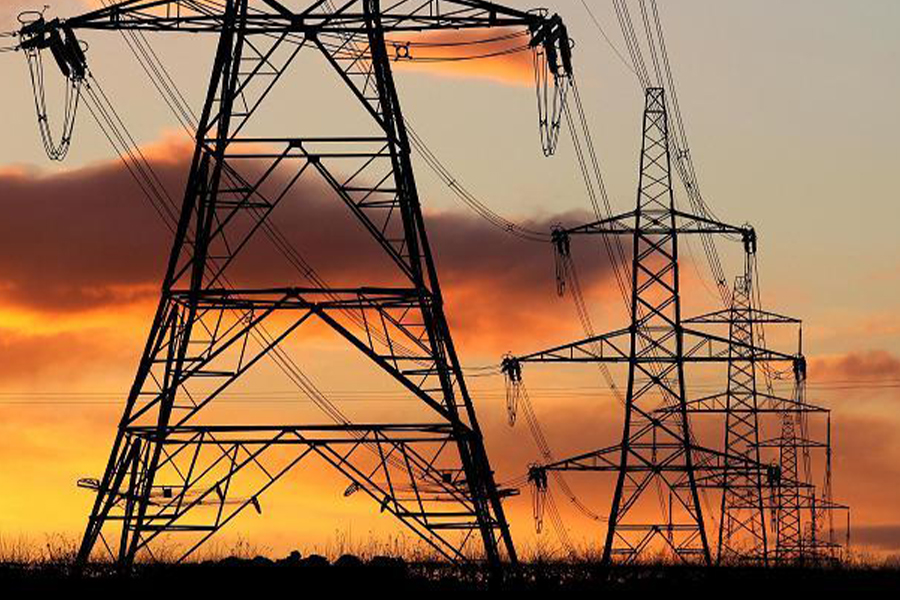
Electricity supplied from Ethiopia has helped halve Djibouti's power production costs...









 Loading your updates...