
Viewpoints | Jun 07,2025



Mar 31 , 2026
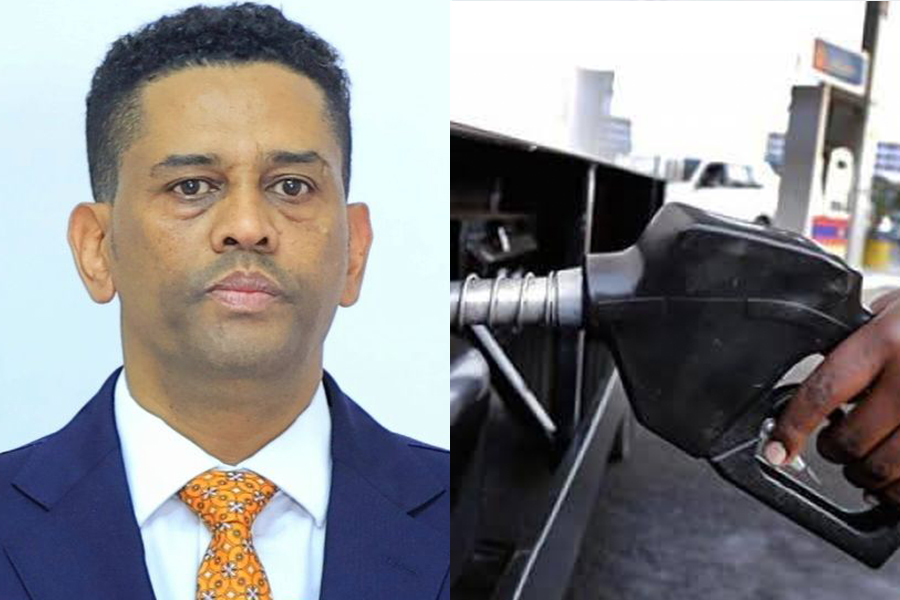
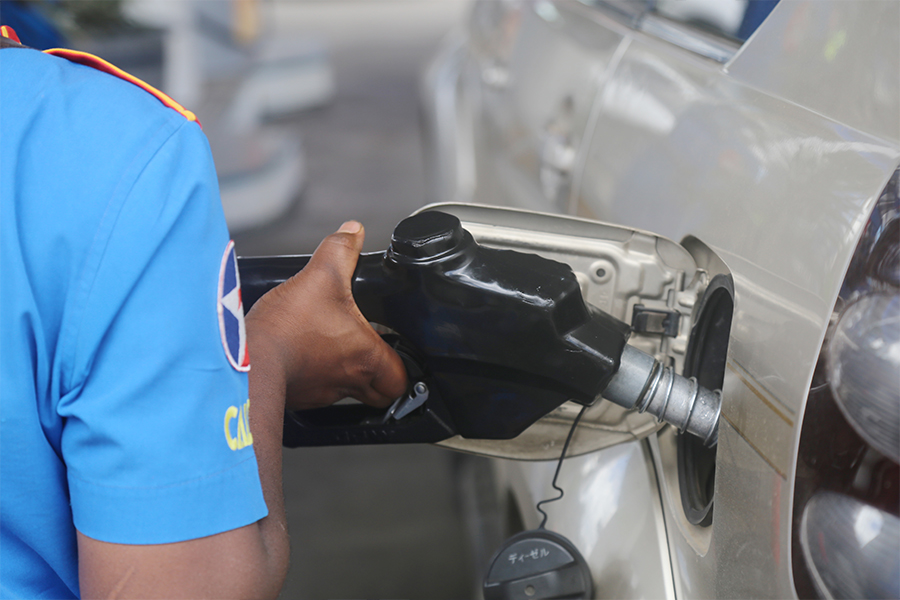
Fuel shortages, evidenced by long queues across the city that snakes for over two kilometres, have pushed federal trade officials to impose sweeping rationing measures, recasting distribution of petroleum products as a matter of national priority rather than market access.
According to Ministry of Trade & Regional Integration (MoTRI) authorities, fuel will no longer be distributed on a first-come and first-served basis. Instead, supplies are to be directed to sectors they considers essential, as officials the authorities struggle with a sharp contraction in availability and efficiency in the distribution system.
Trade Minister Kassahun Gofe (PhD) disclosed that his government now considers fuel as a strategic and scarce resource, requiring tighter control over who gets access and on what terms.
He attributed part of the disruption to the war in the Middle East, which has cut daily diesel supply nearly in half, to 4.5 million liters from 9.2 million liters.
The reduced flow has forced him to narrow distribution to logistics trucks hauling critical goods, emergency and security services, and agricultural and industrial machinery. According to the Minister, public transportation, including buses and taxis, will continue to receive support through targeted digital subsidies.
However, private motorists are bearing the brunt of the restrictions, facing tighter rationing and longer queues at filling stations. Government vehicles are also being taken off the road, and some public employees whose duties are not considered critical have reportedly been told to take leave in a bid to reduce fuel consumption.
Smaller freight operators are being encouraged to shift to electric alternatives, though the feasibility of such a transition remains uncertain in a market where infrastructure and financing constraints remain significant.
The supply squeeze has been compounded by rising international prices. The country faces an unmet fuel procurement gap of more than 180,000tns, adding to the strain on already short supplies.
The government has tried to cushion consumers from the full impact through large subsidies. Diesel is currently subsidized by 95 Br a liter and gasoline by 42 Br a liter, according to Minister. Total spending on fuel subsidies has reached about 262 billion Br, with the monthly fiscal burden estimated at between 15 billion Br and 20 billion Br.
Minister Kassahun disclosed that enforcement of the new regime will rely on digital monitoring systems, including Telebirr, and a wider crackdown on hoarding and black-market trading. He disclosed that 658 people have been arrested and more than 720,000Ltrs of fuel seized.
"Those found violating the rules risk losing their licenses," said Kassahun, arguing the new policy as an unavoidable national sacrifice.
The Minister urged the public to endure personal inconvenience to keep vital services running and limit broader economic damage.
Viewpoints | Jun 07,2025

Fortune News | Aug 06,2022
Viewpoints | Apr 04,2026

Obituary | Nov 09,2024
Agenda | Sep 08,2024

Radar | Nov 03,2024

Viewpoints | Nov 08,2025
Commentaries | Oct 03,2024
Viewpoints | Apr 28,2024
Obituary | Sep 14,2024

Photo Gallery | 185848 Views | May 06,2019

Photo Gallery | 175887 Views | Apr 26,2019

Photo Gallery | 171443 Views | Oct 06,2021

My Opinion | 139404 Views | Aug 14,2021




May 9 , 2026
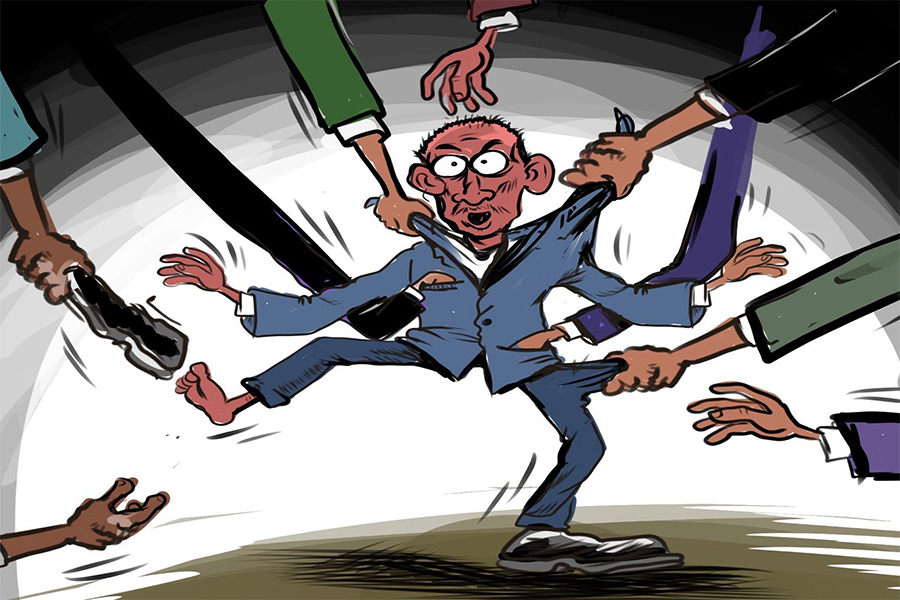
The Ethiopian state appears to have discovered a fiscal instrument that is politicall...
May 2 , 2026
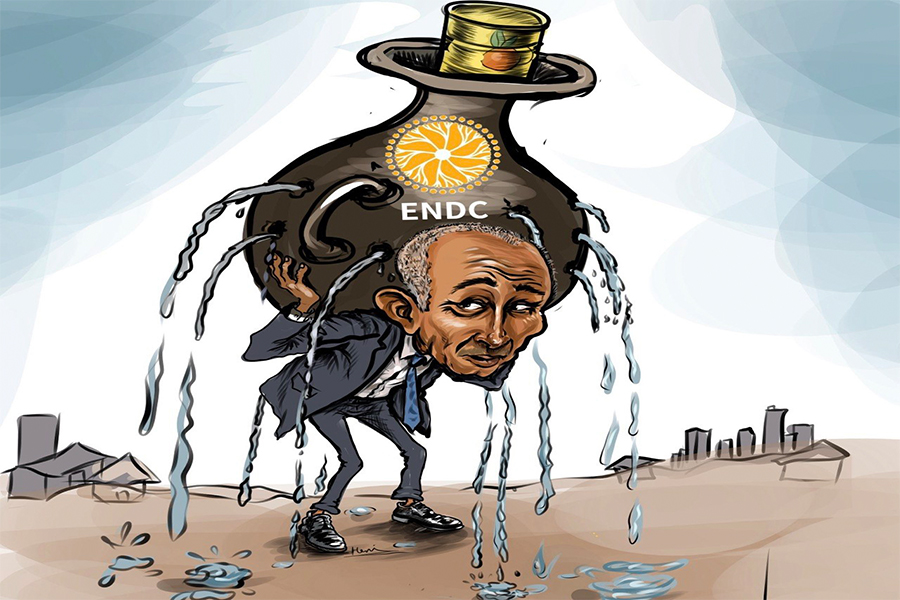
By the time Ethiopia's National Dialogue Commission (ENDC) reached the end of its fir...
Apr 25 , 2026
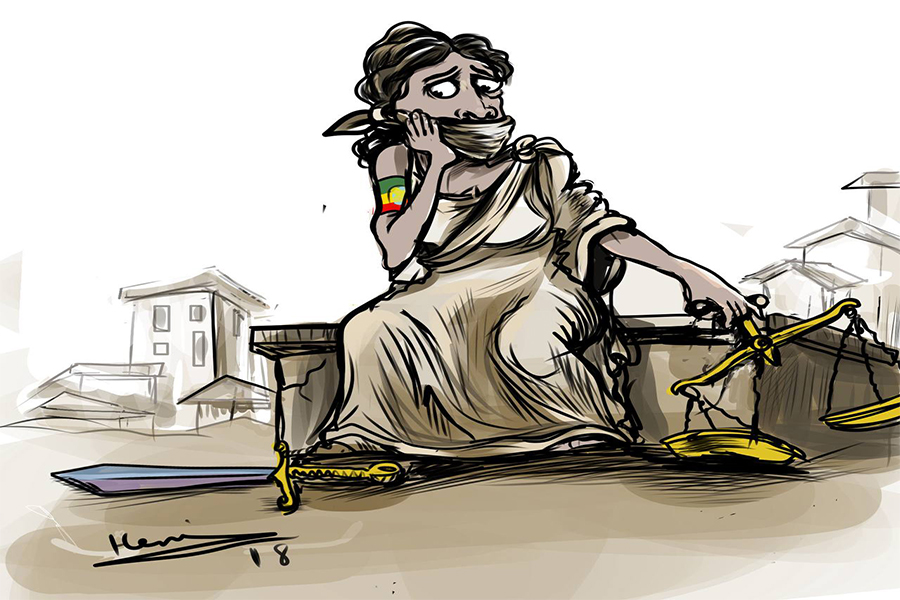
In a political community, official speeches show what governments want their citizens...

For much of the past three decades, Ethiopia occupied a familiar place in the Western...







 Loading your updates...