

Photo Gallery | 185860 Views | May 06,2019



Dec 30 , 2025

Eyob Tekalegn (PhD), governor of the National Bank of Ethiopia (NBE), has abolished the long-standing minimum interest rate on bank deposits, allowing commercial banks to set their own savings rates.
The decision to scrap the seven percent floor on deposit rates, approved by the Monetary Policy Committee (MPC)under the chairmanship of Governor Eyob, marks a moment of liberalisation of monetary policy and is intended to align deposit pricing more closely with prevailing market conditions and the Central Bank’s broader policy reorientation.
The decision followed the fifth session of the Committee held last week, and comes on the heels of last year’s introduction of a benchmark policy rate at 15pc. The policy rate is intended to provide clearer guidance on monetary conditions and signal the cost of capital in a more structured interest rate regime. Removing the deposit floor now complements this rate by allowing banks to respond flexibly to liquidity conditions and inflation expectations, rather than being constrained by administrative controls.
Monetary authorities view this as part of a gradual transition toward a market-based monetary system, improving savings mobilisation, incentivising the efficient allocation of capital, and supporting the NBE's single-digit inflation-targeting ambitions. With headline inflation slowing to 10.9pc in November 2025, officials believe the monetary environment is ripe for further liberalisation.
While the authorities are easing controls on deposit pricing, they remain cautious about loosening overall monetary aggregates too rapidly. According to MPC data, broad money supply (M2) grew by a staggering 38.8pc year-on-year, while outstanding bank credit expanded by 44.5pc as of November. The reserve requirement ratio for commercial banks has been raised to 10pc, growing by three percentage points, on a monthly average basis, up from the previous standard, though the daily minimum remains unchanged at five percent. Banks have been given a compliance window of three to six months to adjust their reserve holdings.
The MPC chose to maintain the existing cap on credit growth at 24pc year-on-year, a ceiling initially imposed to stabilise inflation.
The dual approach, liberalising deposit rates while tightening reserve requirements and holding credit expansion steady, demonstrates the Central Bank’s worries and Governor Eyob's attempt to recalibrate liquidity without jeopardising macroeconomic growth.
Photo Gallery | 185860 Views | May 06,2019

Photo Gallery | 175901 Views | Apr 26,2019

Photo Gallery | 171460 Views | Oct 06,2021

My Opinion | 139414 Views | Aug 14,2021




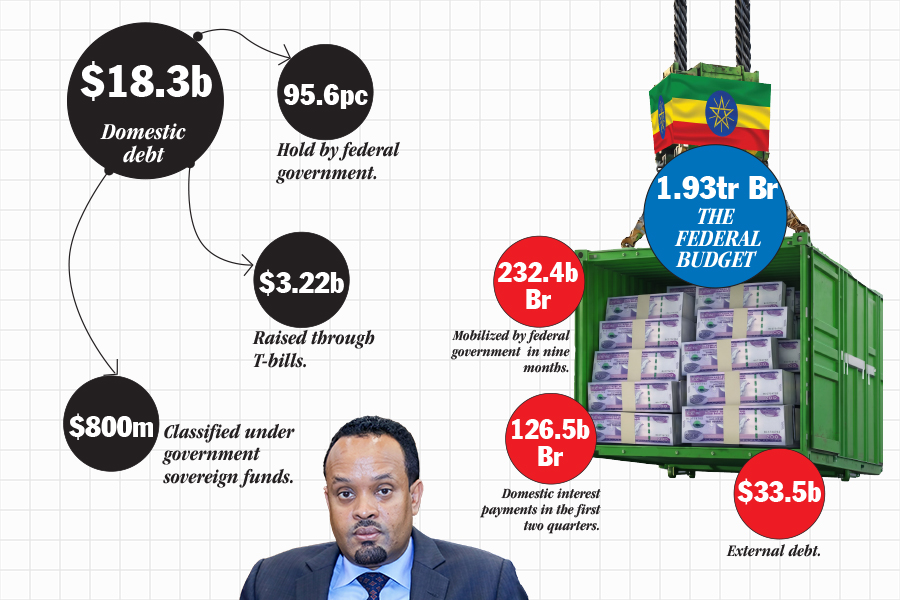






May 9 , 2026
The Ethiopian state appears to have discovered a fiscal instrument that is politicall...
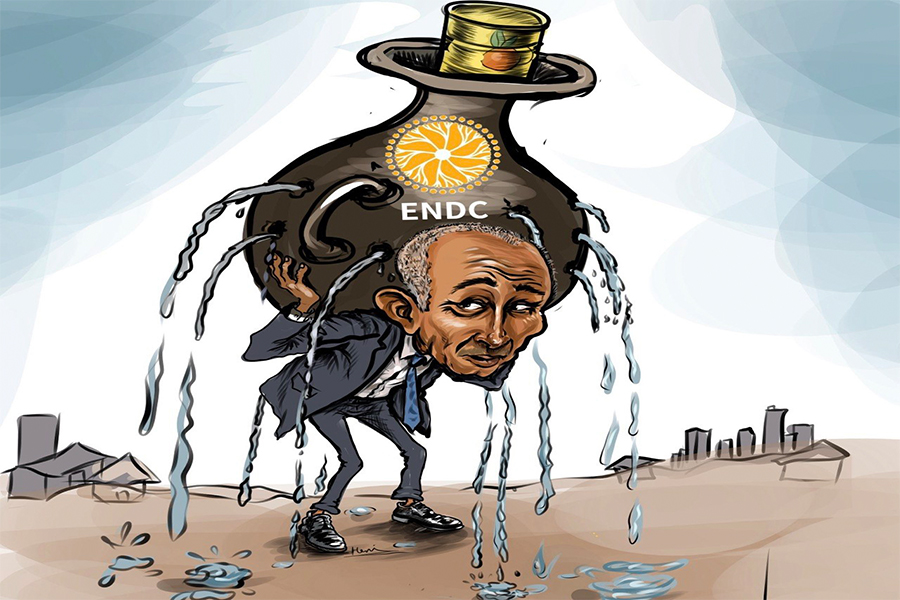
May 2 , 2026
By the time Ethiopia's National Dialogue Commission (ENDC) reached the end of its fir...

Apr 25 , 2026
In a political community, official speeches show what governments want their citizens...

For much of the past three decades, Ethiopia occupied a familiar place in the Western...







 Loading your updates...