

Agenda | Oct 13,2024



Sep 29 , 2025

Eyob Tekalegn (PhD), the new governor of the Central Bank, has put his footprints, with the National Monetary Policy Committee's move to raise the lending rate ceiling for commercial banks, increasing it by six percentage points to 24pc, starting in September, 2025.
Contrary to earlier policy signals under his predecessor, Mamo Mihretu, and market expectations, the Committee stopped short of a full lifting of the cap. The National Bank of Ethiopia (NBE) kept its policy rate at 15pc and maintained deposit and lending facility rates, along with the reserve requirement ratio. This signalled a cautious approach under Governor Eyob, with the Central Bank trying to steer inflation expectations without unsettling the broader economy.
Policymakers are seeking to strike a balance between short term goal of easing credit constraints for borrowers while avoiding a burst of inflation. In the medium term, they have targeted market-driven interest rates, but only as long as the process does not shake the monetary base.
However, with inflation remaining above the single-digit target, the Central Bank appears to be treading carefully. Access to credit has tightened, but inflationary risks have yet to fully subside. Monetary policymakers are walking a tightrope, hoping to stimulate credit in an economy that still faces liquidity issues, without allowing price pressures to build.
They blame ongoing price instability as a major issue. While headline inflation has eased slightly, core inflation remains sticky, and supply issues in areas like food, fuel, and foreign exchange continue to push costs higher. Even after the rate hike, real interest rates are still negative, which makes saving less attractive and complicates efforts to transmit monetary policy through the economy. The lending cap, though higher, still causes distortions in the way credit is allocated. Sectors seen as less creditworthy are seen struggling to access loans, especially since banks are not yet using risk-based pricing.
According to analysts, Central Bank’s decision decision today is intended to send several signals. Rather than a sharp shift, the Committee is taking a gradual approach, allowing time for institutions and markets to adjust. Officials reaffirmed that they would continue using all monetary policy tools, including open market operations, currency interventions, and reserve requirements, to manage liquidity and keep credit growth in check.
The foreign exchange market is still volatile, with a parallel premium that reflects continued dollar shortages. This complicates monetary targeting, especially given the quasi-fixed exchange rate regime. There is also a lack of clear signals from fiscal authorities. Alanysts warn that without budget discipline, subsidy reforms, and controls on public borrowing, Central Bank tightening may not be enough to bring down inflation if liquidity continues to seep from the Treasury.

Photo Gallery | 185848 Views | May 06,2019

Photo Gallery | 175887 Views | Apr 26,2019

Photo Gallery | 171443 Views | Oct 06,2021

My Opinion | 139404 Views | Aug 14,2021









May 9 , 2026
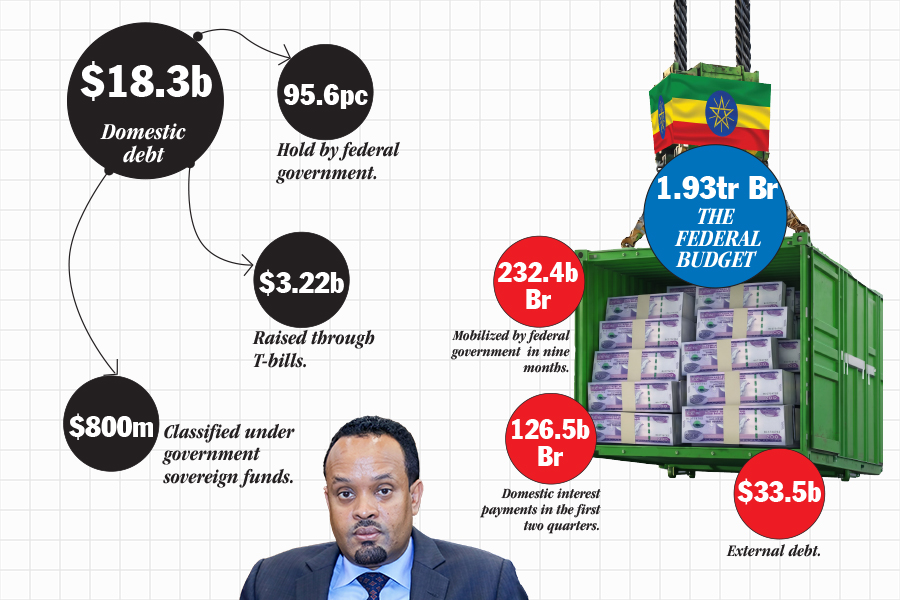
The Ethiopian state appears to have discovered a fiscal instrument that is politicall...
May 2 , 2026
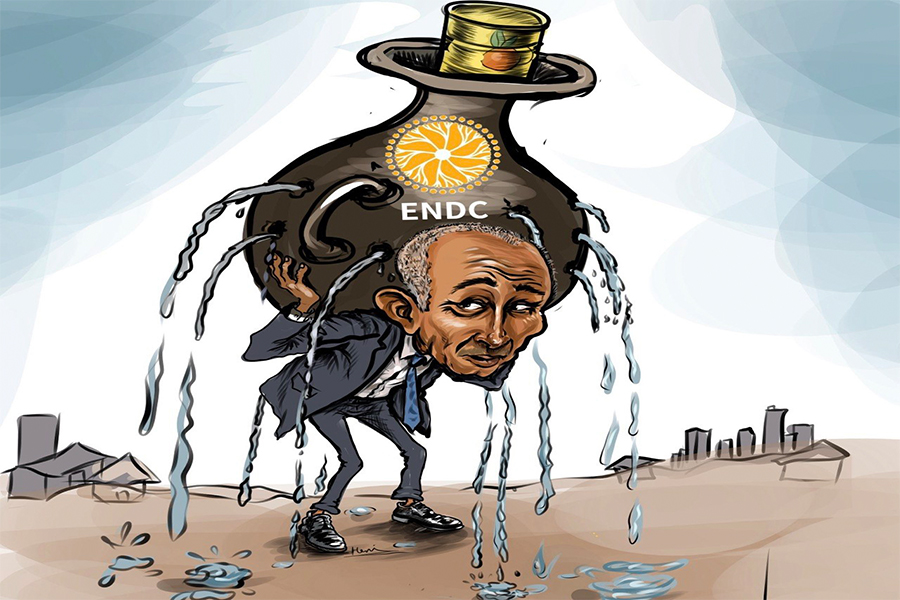
By the time Ethiopia's National Dialogue Commission (ENDC) reached the end of its fir...

Apr 25 , 2026
In a political community, official speeches show what governments want their citizens...

For much of the past three decades, Ethiopia occupied a familiar place in the Western...













 Loading your updates...