
Editorial | Apr 16,2022



Nov 23 , 2024
By Carolyn Kissane
I was returning from dropping my son off at school when I saw a young mother huddled on a rough stone by the roadside. Her infant was strapped securely to her back, and though she did not shout or actively solicit, her eyes carried an unspoken cry for help.
The indifference of the crowd contrasted with her quiet desperation. People hurried past with their faces buried in phones or fixed ahead, consumed by their priorities. The rush-hour frenzy—work deadlines, school drop-offs, and endless appointments—formed a wall of oblivion, shielding passersby from her raw reality. I felt a pang of guilt, sharp and immediate. I wanted to offer something but had only my phone—a symbol of the cashless world we now inhabit.
I wonder how homeless people who are on the streets survive in a world increasingly reliant on digital transactions. Poverty in urban areas blends into the background, overshadowed by the fast-paced routines. The quiet struggles of those in need are easily overlooked, leaving a pressing question: how do we bridge the gap between modern convenience and meaningful assistance in a cashless, technology-driven world?
Is a future without begging possible?
My thoughts turned to the recent A World Without Hunger Summit hosted just a short distance away. Leaders and economists gathered in a lavishly catered conference, to discuss how to eradicate it by 2030. Yet, on the very streets outside its venue, hunger sat visible, embodied by this young mother clutching her child. The contrast was as stark as it was painful.
Of course, their discussion was contingent upon mobilising up to 3.98 trillion dollars. Yet here we are six years short, and the enormity of that goal feels crushing while the optimism of the summit clashes harshly with reality. It demands an immense financial commitment.
My thoughts turned to the world’s wealthiest individuals, whose fortunes surpass the GDPs of entire nations. If they contributed just five percent of their wealth to fund job creation, infrastructure development, and industries that empower communities, would it solve the problem or not? Unlike one-time donations or fleeting acts of charity, systemic investments could create long-term solutions, breaking the cycle of dependence and poverty.
The question of whether such monumental sums truly reach those in need is another issue. Corruption casts a long shadow over efforts like these, raising fears that aid intended for the hungry might instead enrich the unscrupulous. The barriers—economic inequality, inflation, conflict, and war—seem insurmountable, dragging millions deeper into poverty. This mother’s plight played out under the shadow of high-rise buildings and summit banners, is not an isolated story—it is a mirror reflecting the disparities that define our world.
Just as I was lost in these thoughts, an elderly woman appeared with two loaves of bread, offering them with quiet insistence. The young mother hesitated but finally accepted, her gratitude unspoken but palpable.
The scene was striking. The elderly woman was far from comfortable herself and shared her meagre sustenance. Meanwhile, cars continued to speed by, their occupants oblivious to the quiet drama unfolding, their wealth offering no solace to the desperate mother. The contrast was grand: those with the means to help remained detached, while someone who could have used help herself extended a hand of compassion.
In a city of sharp contrasts, where the glittering ambition of eradicating hunger exists alongside its grim reality, the generosity of a frail woman carrying sticks became a lesson in humanity. Perhaps the road to ending hunger begins not in boardrooms or at international summits, but with simple acts of kindness—one person at a time.
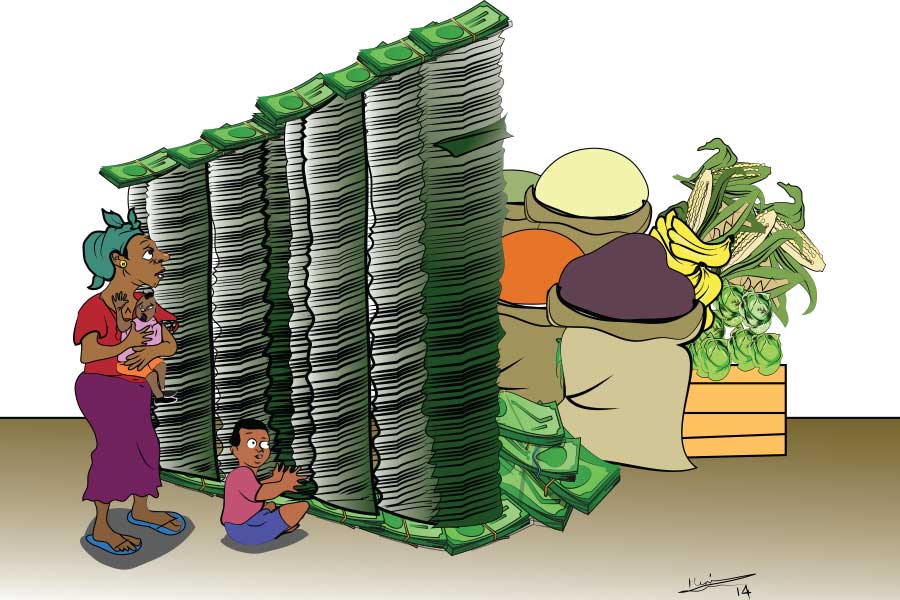
Initiatives to eradicate hunger constantly clash with the visible struggles of individuals in need. The staggering financial commitments required spotlight the difficulty of addressing systemic issues. It raises questions about the effectiveness of large-scale efforts in tackling localised poverty.
PUBLISHED ON
Nov 23,2024 [ VOL
25 , NO
1282]


Commentaries | Mar 01,2024
Commentaries | Jan 07,2023
Editorial | Dec 23,2023
Agenda | Dec 12,2020
Viewpoints | Nov 23,2024

Photo Gallery | 191116 Views | May 06,2019

Photo Gallery | 180914 Views | Apr 26,2019

Photo Gallery | 177576 Views | Oct 06,2021

My Opinion | 143209 Views | Aug 14,2021







Dec 22 , 2024 . By TIZITA SHEWAFERAW
Charged with transforming colossal state-owned enterprises into modern and competitiv...

Aug 18 , 2024 . By AKSAH ITALO
Although predictable Yonas Zerihun's job in the ride-hailing service is not immune to...

Jul 28 , 2024 . By TIZITA SHEWAFERAW
Unhabitual, perhaps too many, Samuel Gebreyohannes, 38, used to occasionally enjoy a couple of beers at breakfast. However, he recently swit...

Jul 13 , 2024 . By AKSAH ITALO
Investors who rely on tractors, trucks, and field vehicles for commuting, transporting commodities, and f...

Jul 11 , 2026
At a market stall, reform arrives without a communique. It comes as a higher transpor...
Jul 4 , 2026
In the goldfields of the Benishangul-Gumuz Regional State, Ethiopia's balance-of-paym...
Jun 27 , 2026
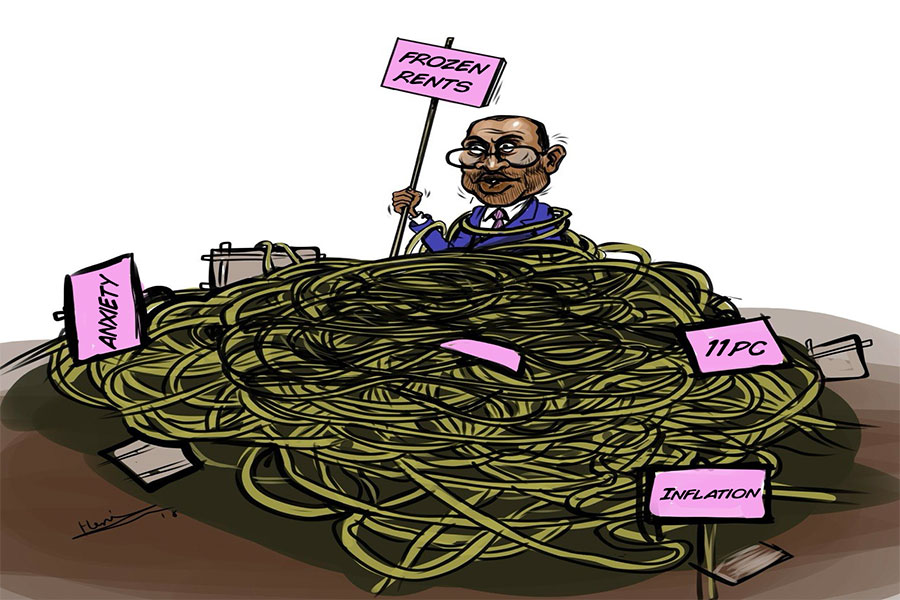
The federal legislative house rushed through one of the country's most contentious ho...
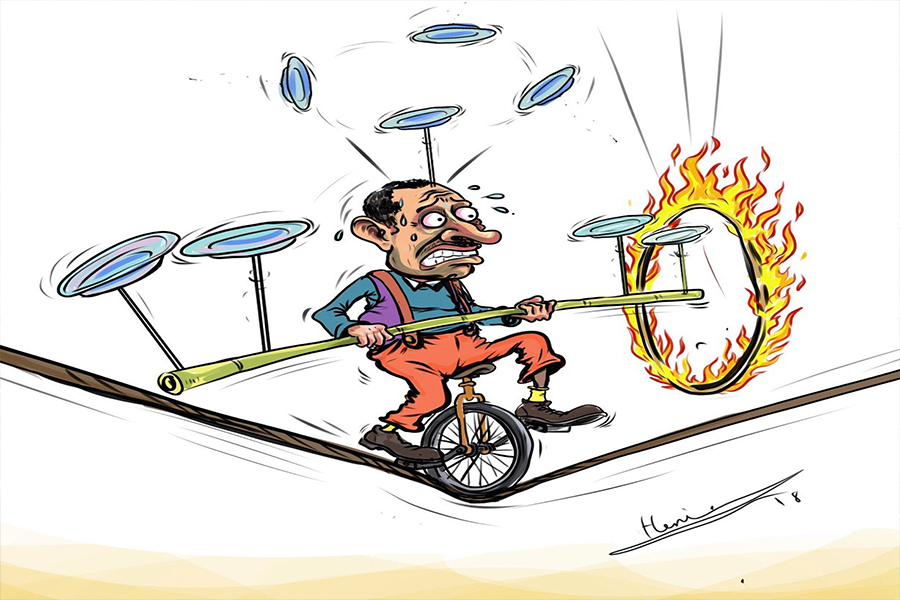
When Parliament takes up the appropriation bill, federal legislators will receive a d...
Jul 12 , 2026 . By BEZAWIT HULUAGER
When a WhatsApp notice told about 60 households at a gated community on the outskirts...
Jul 12 , 2026 . By BEZAWIT HULUAGER
The Addis Abeba City Administration has begun charging a municipal tax on every hotel...

Jul 12 , 2026 . By BEZAWIT HULUAGER
Bahir Dar International Stadium is nearing completion, and the people building it say...
Jul 12 , 2026 . By BEZAWIT HULUAGER
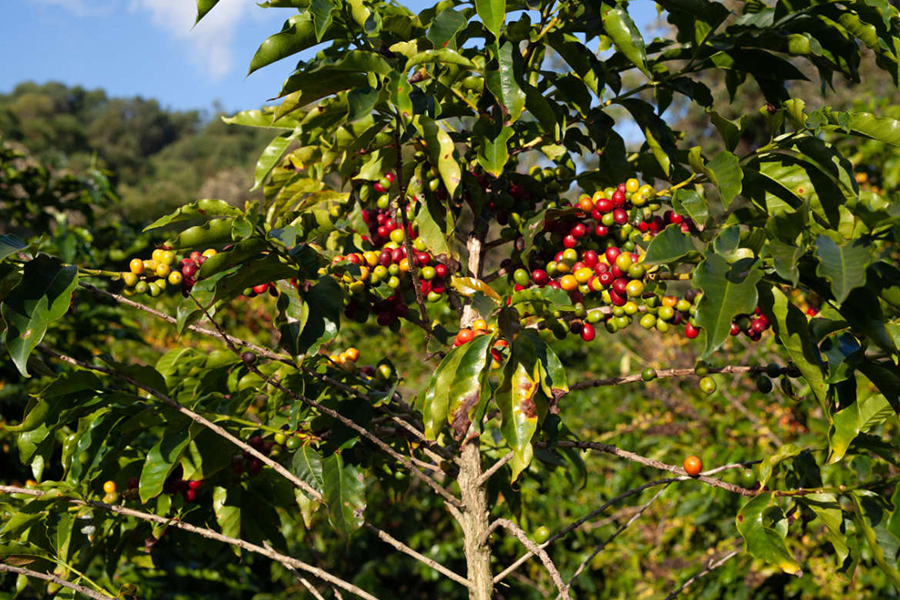
Federal regulators of the coffee sector are preparing a fund to shield growers and ex...







 Loading your updates...