
Editorial | Aug 10,2024



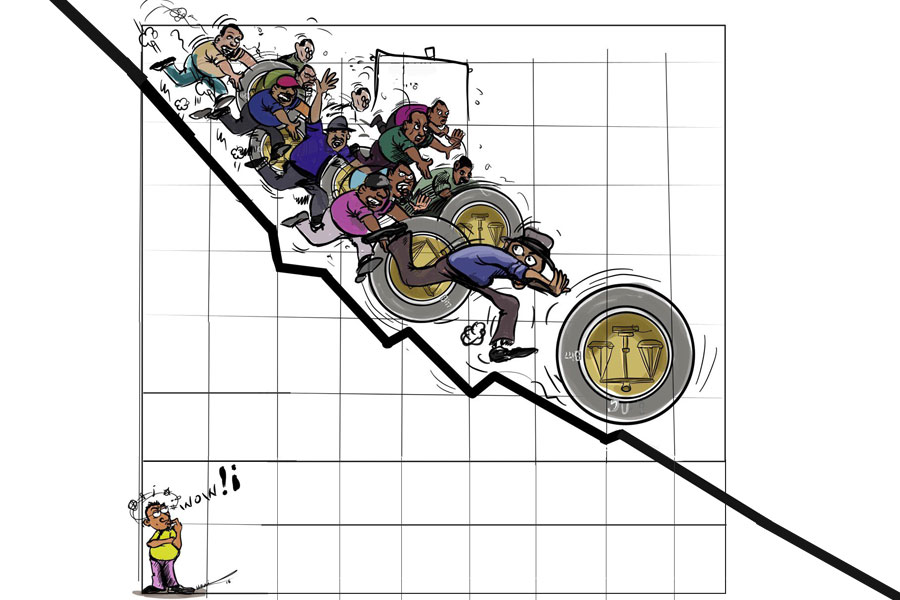
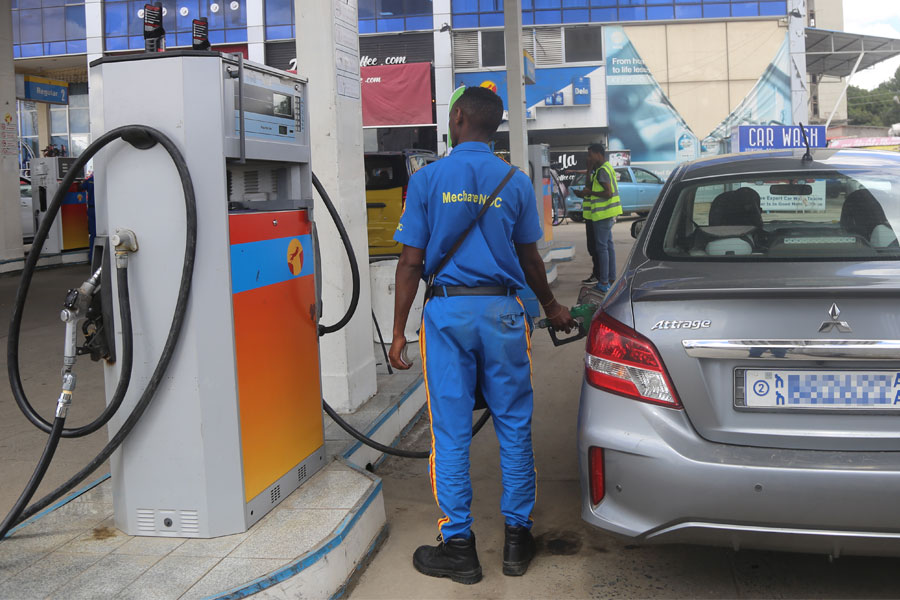
It is that time of the year again. Fuel stations in Addis Abeba see a queue of cars hundreds of metres long, lining up for a refill. The only stations spared would be those that have exhausted their stock and closed until fuel trucks arrive to supply them. Over the past two weeks, this has been the case with a line of vehicles snaking up the capital’s streets; drivers are waiting for hours before they are served at the pumps. Why is there a fuel shortage?
No one can conclusively say. In the past, Addis Abeba faced shortages for a variety of reasons. It could be speculative filing up of tanks or political instability that clogs supply routes. A bit of the former could be adding to the problem now. In the past, vehicle owners anticipating a price hike tried to soak up as much fuel in their tanks as possible before the month was out. But what created the shortage from speculation is hoarding by businesses along the fuel supply chain. If they smell a price increase coming, shortages are bound to happen. The last time this happened was in January and February of last year when the lines at fuel stations disappeared after the authorities announced that the retail price would not change.
Speculation could be at play this time around following retail price adjustments last December as federal authorities found it hard to bear subsidies. More bad news followed when a plan to lift subsidies entirely was announced the following month. The speculation could result from confusion; the move away from subsidies is supposed to be gradual, beginning in July with variations between public transport providers and everyone else. But that cannot be the whole story. There is also drama brewing along the fuel supply chain as fuel transporters, and the authorities lock horns over tariffs. The federal government sets a flat fee for transporting fuel from ports in Djibouti. But truck owners see their margins dwindle as maintenance and service charges grow, leading them to demand higher costs. Some 40pc of fuel truckers are said to be out of action. Until these issues are addressed, the lines are not going anywhere. There is no indication that they are well understood.
You can read the full story here
PUBLISHED ON
Feb 12,2022 [ VOL
22 , NO
1137]
Editorial | Aug 10,2024

Agenda |

My Opinion | Nov 13,2021
Agenda | Oct 23,2021
Fortune News | Oct 13, 2024

Editorial | Apr 22,2023

Fortune News | May 09,2026

View From Arada | Mar 27,2021

Fortune News | Mar 28,2020
Radar | Jul 13,2025

Dec 22 , 2024 . By TIZITA SHEWAFERAW
Charged with transforming colossal state-owned enterprises into modern and competitiv...

Aug 18 , 2024 . By AKSAH ITALO
Although predictable Yonas Zerihun's job in the ride-hailing service is not immune to...

Jul 28 , 2024 . By TIZITA SHEWAFERAW
Unhabitual, perhaps too many, Samuel Gebreyohannes, 38, used to occasionally enjoy a couple of beers at breakfast. However, he recently swit...

Jul 13 , 2024 . By AKSAH ITALO
Investors who rely on tractors, trucks, and field vehicles for commuting, transporting commodities, and f...

Aug 28 , 2026
Every year, the Ministry of Education (MoE) sets a national examination. Every year,...
Aug 22 , 2026
A record is a strange thing to worry about. Federal trade officials have booked the b...

Aug 14 , 2026
Aschalew Fetene, known as “Ardi” and admired for his poetic depth, has built a ti...

Aug 8 , 2026
The World Bank asks readers to picture a mother in rural Ethiopia who has never held...










 Loading your updates...