


Nov 16 , 2024
By Daniel Kassahun (PhD)
Aliko Dangote, Africa's wealthiest businessman, lambasted the continent's convoluted visa systems, criticising the need for 35 different visas which stifles intra-African trade. His critique was not only about red tape. It exposed more profound structural flaws that hinder Africa from tapping into its collective economic prowess. Ethiopia is a prime example of these flaws, besieged by internal barriers that impede its growth.
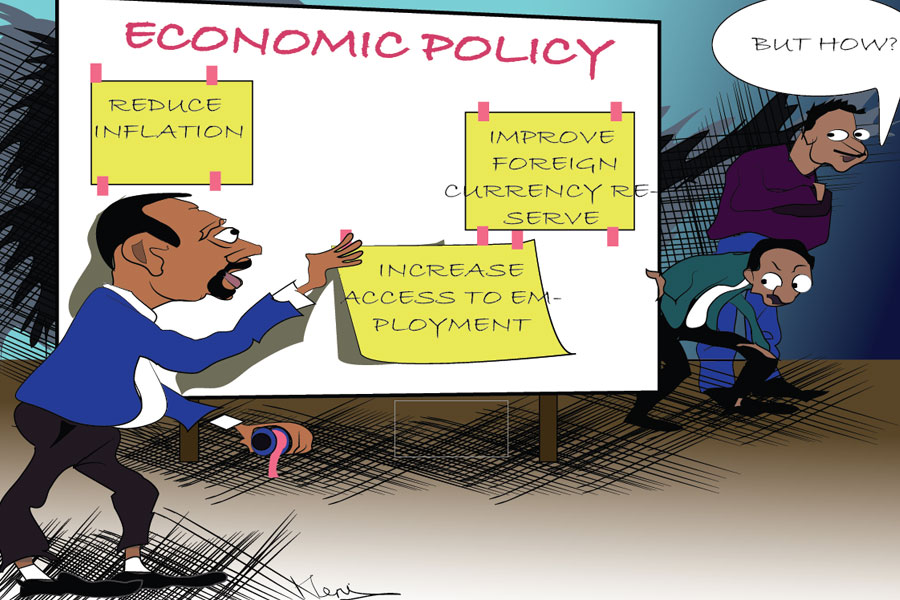
In a bold economic move, the federal government floated the Birr in late July, resulting in a 30pc devaluation overnight. The decision, backed by the International Monetary Fund (IMF), sparked fears of runaway inflation. Contrary to these concerns, Fitch Ratings upgraded Ethiopia's domestic credit rating, offering a glimmer of optimism. Prime Minister Abiy Ahmed (PhD) touted these macroeconomic reforms as foundational steps toward sustainable growth.
Yet, questions linger about whether Ethiopia's fragile economy and fragmented social fabric can withstand such seismic shifts.
Economic growth requires a delicate balance of factors, much like a finely tuned orchestra where every instrument plays in harmony. Rich in resources and diversity, Ethiopia needs to leverage these assets to achieve prosperity. Central to this is creating a seamless network of connectivity that facilitates the efficient movement of goods, resources, and skilled labour. However, the reality on the ground tells a different story.
Connectivity, the lifeblood of any thriving economy, faces considerable barriers. The country's transportation routes have become perilous due to persistent security tensions. Highways have turned into dangerous corridors plagued by robberies, armed blockades, and widespread extortion. Some routes have earned the ominous nickname "death alley." Truck drivers and travellers frequently fall victim to these threats, disrupting the flow of commerce.
While domestic air travel offers a safer alternative, it is costly and impractical for moving large quantities of goods.
These logistical bottlenecks, coupled with broader economic ordeals, have fuelled inflation, pushing many — especially civil servants — to the brink of financial hardship. Regional states like Oromia and Amhara remain conflict zones, rendering large swaths of the country inaccessible and risky for trade or investment. During periods of political upheaval, commercial activities grind to a halt as factories and businesses close, and criminals exploit the ensuing chaos.
Ethno-religious tensions have further fragmented the economic community, widening rifts between regions and isolating once-integrated markets. In Tigray alone, an estimated six tonnes of gold are allegedly smuggled out annually. Nationwide, coffee production, a key export, has plummeted by 50pc, mainly due to escalating security concerns.
Addis Abeba is often perceived as the last bastion of safety. Some diplomats quietly suggest it is the only secure enclave left. Yet this sense of security is increasingly fragile. As night falls, an eerie quiet descends upon the city as businesses close early, public transportation subsides, and residents hurry home as if observing an unspoken curfew.
Farmers are among those most affected by the barriers to mobility. To supplement declining agricultural productivity and income, they traditionally migrated — seasonally or permanently — from overcrowded areas to regions needing extra labour, especially during harvest seasons. For generations, farmers from Kembata and Hadiya trekked to the sugar plantations of Wonji and Metehara, tapping into valuable off-farm income.
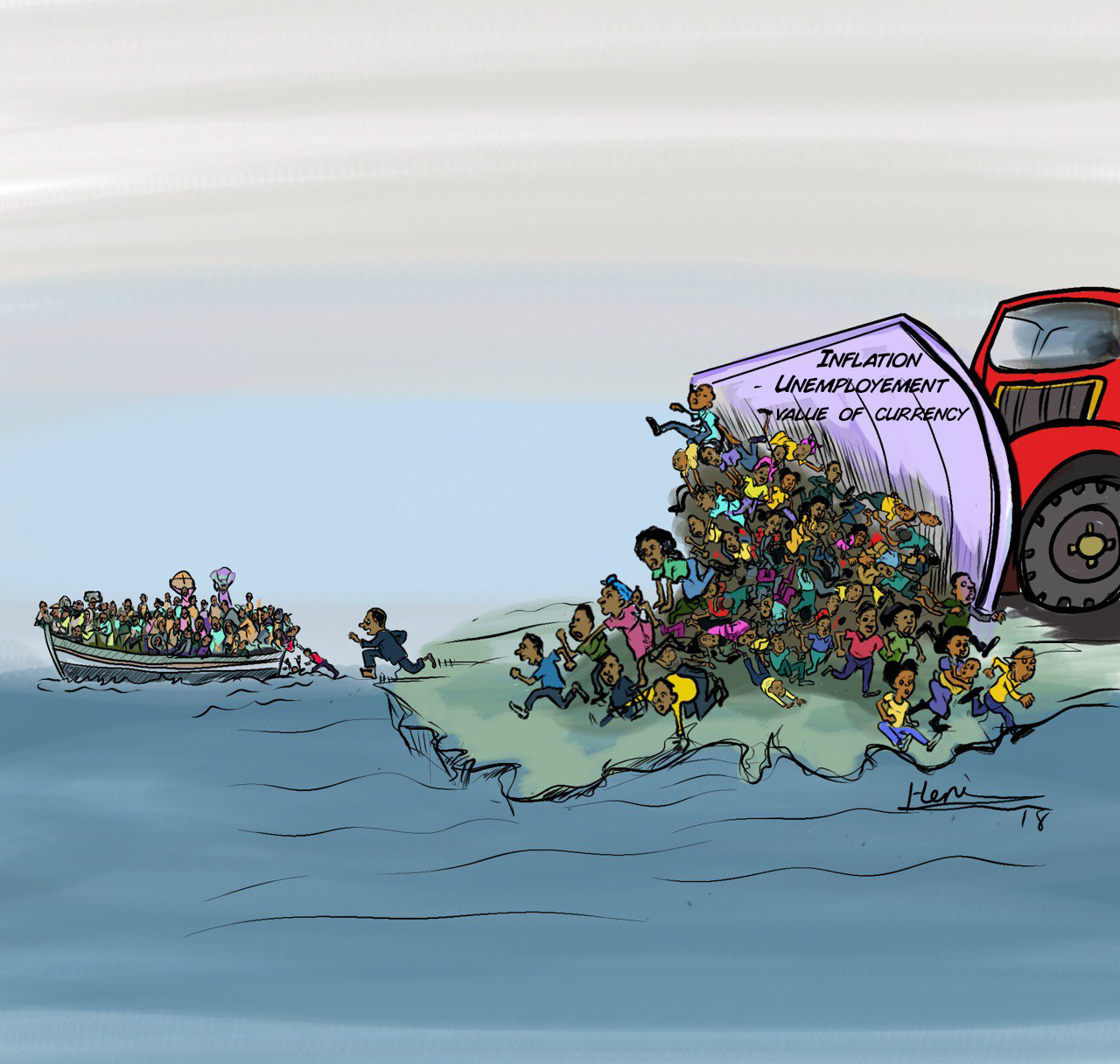
This once-vibrant tradition, known as "mofer zemet," is fading. Rising ethnopolitical tensions and increasing insecurity have made internal migration routes perilous. With domestic avenues closed, many embark on hazardous journeys abroad, seeking opportunities in Europe, passing death corridors like Libya, as well as the Middle East and South Africa.
Even foreign investors are not immune to the despair of constrained connectivity. In 2015, Dangote Cement entered the Ethiopian market, establishing the country's largest cement plant capable of producing 120 million bags annually. Despite the venture's promise, it has faced security problems. The tragic murder of its country manager in 2018 and the kidnapping of workers are evidence of the profound difficulties of doing business in a country where mobility poses risks.
The government's efforts to implement reforms and stimulate growth may have seen some success, but these achievements remain isolated. Without robust infrastructure and secure connectivity to support them, these pockets of progress are like delicate cells deprived of vital nutrients. They risk withering in isolation. Dismantling the mobility barriers that stifle growth is imperative for Ethiopia to realise its full potential. Ensuring safe and efficient movement is crucial for economic activities to flourish.
When connectivity breaks down, societies begin to unravel—the shared threads of language, culture, and faith fray, leading to isolation and distrust. The fragmentation can harden into a permanent divide, making reunification an arduous, if not impossible, task.
To prevent such an outcome, Ethiopians should prioritise security to guarantee the free flow of people, goods, and ideas. This should go beyond constructing roads or cutting bureaucratic red tape. It demands a comprehensive overhaul of the country's security infrastructure. By addressing these fundamental issues, the government can hope to nurture a future where economic prosperity and social harmony prevail.
PUBLISHED ON
Nov 16,2024 [ VOL
25 , NO
1281]
Editorial | Aug 16,2020

View From Arada | Mar 05,2022
Commentaries | Mar 19,2022

Viewpoints | Jul 01,2023
Editorial | Jan 26,2019

Verbatim | Aug 28,2021

Films Review | Jun 01,2019

Sunday with Eden | Nov 15,2025
Editorial | Oct 11,2025
Fortune News | Jul 18,2020

Photo Gallery | 193419 Views | May 06,2019

Photo Gallery | 183313 Views | Apr 26,2019

Photo Gallery | 180124 Views | Oct 06,2021

My Opinion | 145545 Views | Aug 14,2021





Dec 22 , 2024 . By TIZITA SHEWAFERAW
Charged with transforming colossal state-owned enterprises into modern and competitiv...

Aug 18 , 2024 . By AKSAH ITALO
Although predictable Yonas Zerihun's job in the ride-hailing service is not immune to...

Jul 28 , 2024 . By TIZITA SHEWAFERAW
Unhabitual, perhaps too many, Samuel Gebreyohannes, 38, used to occasionally enjoy a couple of beers at breakfast. However, he recently swit...

Jul 13 , 2024 . By AKSAH ITALO
Investors who rely on tractors, trucks, and field vehicles for commuting, transporting commodities, and f...
Aug 14 , 2026
Aschalew Fetene, known as “Ardi” and admired for his poetic depth, has built a ti...

Aug 8 , 2026
The World Bank asks readers to picture a mother in rural Ethiopia who has never held...

Jul 31 , 2026
Weldu Yiheysh has not read the Pacific temperature charts. He does not need to. In Shibta District of Enderta Wereda, in...

Jul 25 , 2026
Ideally, citizens who have paid income tax all year should not have to reach for thei...
Aug 15 , 2026 . By NAHOM AYELE
Federal prosecutors have charged seven defendants over a set of foreign-trade deals t...
Aug 15 , 2026 . By BEZAWIT HULUAGER
Ethio-post is preparing to turn its thousands of branches into banking agents, allowi...
Aug 18 , 2026 . By BEZAWIT HULUAGER
Kassahun Gofe (PhD), minister of Trade & Regional Integration (MoTRI), is prepari...
Aug 16 , 2026 . By NAHOM AYELE
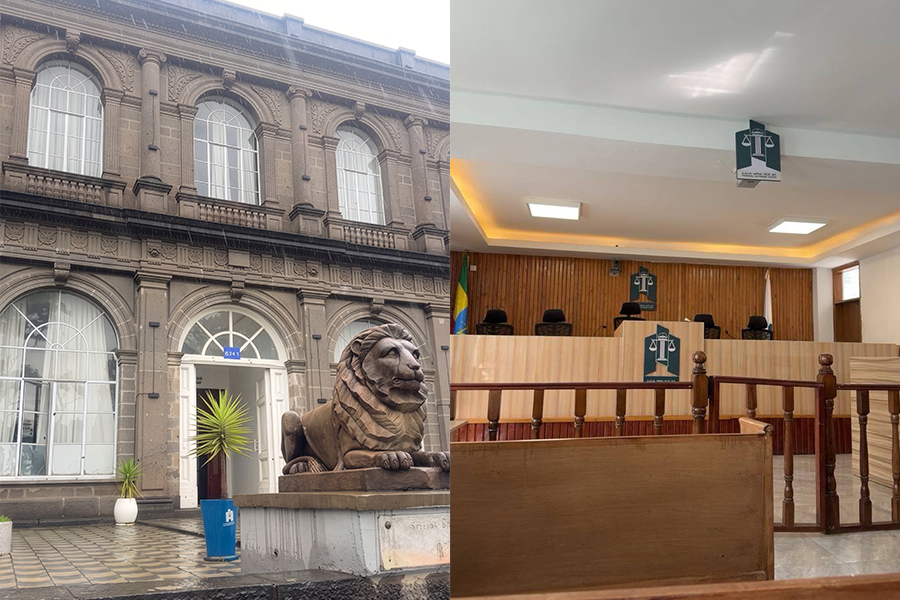
Justices at the Federal Supreme Court widened the shield they are holding over lawyer...







 Loading your updates...