


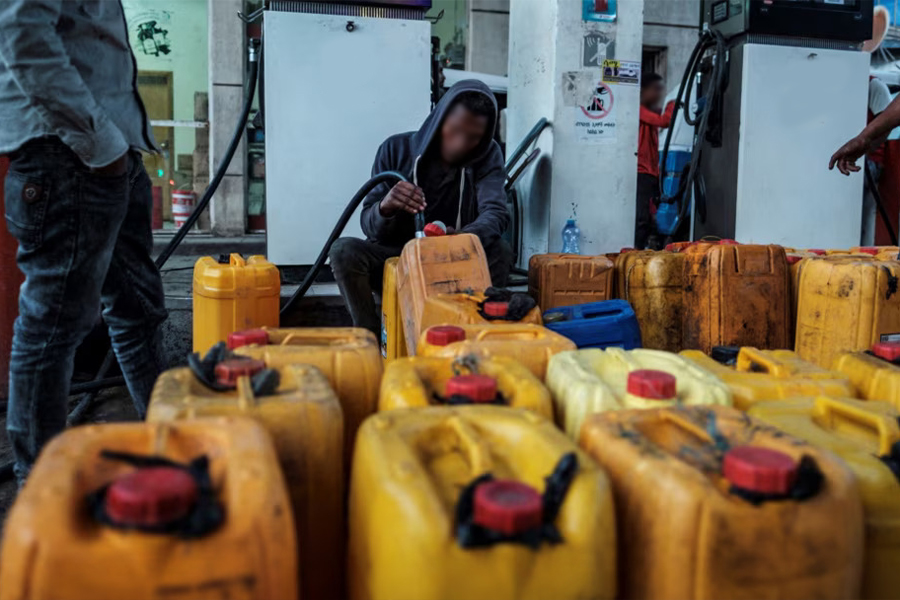
Authorities have mapped illegal practices in the fuel sector, identifying their causes and proposing corrective measures. The existing market share system, under which companies receive lump-sum fuel from Djibouti to distribute to stations, has fueled irregularities. Companies often prioritise their own outlets, hire favoured service providers, and leave others unpaid, while thousands of trucks queue in Djibouti and government projects struggle to access fuel. A new market share system, developed through consultations with companies, prioritizes large cities and key development areas. Allocation is now based on stations (40pc), tanker capacity (20pc), and recording machines (40pc), with additional fuel for development projects. Companies must submit one-month cargo plans aligned with the Ethiopian Petroleum Supply Company’s import schedule, ensuring registered tankers and paying stations handle fuel transport. Though not yet fully implemented, the reform is already easing distribution, with long queues forming across the city as supplies reach stations.
[ssba-buttons]



 Loading your updates...