




Oct 2 , 2024
The National Bank of Ethiopia (NBE) has granted licenses to five private non-bank entities to operate in the foreign exchange market, in a groundbreaking move to liberalise a tightly regulated forex regime. This marks the first time such permissions have been extended beyond traditional banks, a potential turning point in addressing the acute foreign currency shortage.
The newly licensed operators - Dugda Fidelity Investment Plc, Ethio Independent Foreign Exchange Bureau, Global Independent Foreign Exchange Bureau, Robust Independent Foreign Exchange Bureau, and Yoga Forex Bureau - are expected to commence operations within a month. According to a statement released by the NBE today, these entities will offer services from spot transactions to various commercial forex activities.
The central bank's decision follows the latest directive issued this year governing non-bank entities in the forex market. These bureaus are permitted to handle up to 10pc of the daily forex auction limit set by the central bank, a cautious yet historical step toward opening up the market while maintaining regulatory oversight.
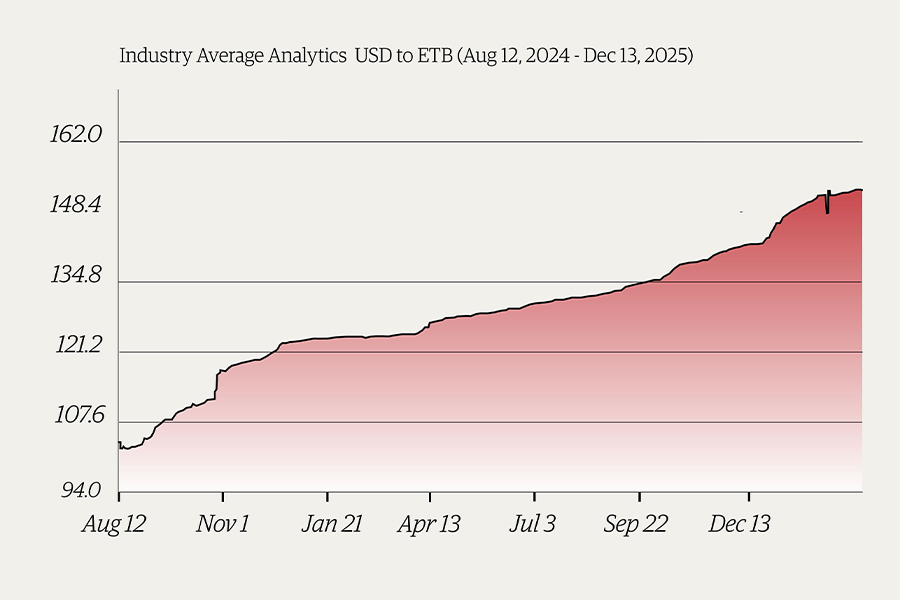
Ethiopia has been gripped by severe foreign currency depreciation and a chronic shortage of foreign exchange, issues that have impacted economic growth and inflated import bills. By allowing private non-bank entities into the forex market, the NBE aims to alleviate pressure on the Birr and provide more competitive rates for consumers.
According to market analysts, the introduction of non-bank players could reduce the parallel foreign exchange market, where rates have soared to unprecedented levels due to high demand and scarce supply.
The licenses are issued during heightened scrutiny over Ethiopia's foreign exchange reserves, which have sharply declined in recent years due to low export revenues and rising import bills. International financial institutions like the World Bank and the International Monetary Fund (IMF) have urged the federal government to implement reforms to beef up currency stability, including liberalising the forex market.
As these non-bank entities prepare to launch their operations, all eyes will be on the initial market response and the NBE's subsequent steps in managing the forex crunch. The move could either disrupt the status quo by injecting much-needed liquidity into the market or serve as a temporary measure in a system requiring deeper structural reforms.
Stringent capital requirements and potential pushback from established banks could affect the new entrants. They would also contend with a volatile macroeconomic environment and regulatory unpredictability that has characterised the financial sector.

Radar | Nov 27,2018

Viewpoints | Jun 22,2026

Fortune News | Jun 01,2024
Money Market Watch | Dec 13,2025

Sponsored Contents | Jul 05,2021

Radar | Mar 21,2026
Fortune News | May 03,2026

Fortune News | Dec 20,2025

Radar | Oct 06,2024

Photo Gallery | 190736 Views | May 06,2019

Photo Gallery | 180493 Views | Apr 26,2019

Photo Gallery | 177164 Views | Oct 06,2021

My Opinion | 142856 Views | Aug 14,2021





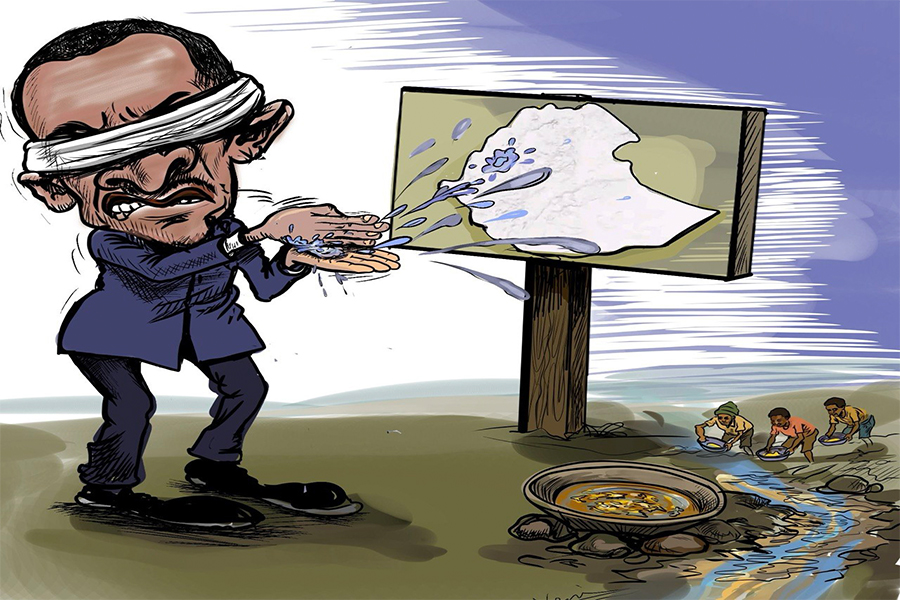
Jul 4 , 2026
In the goldfields of the Benishangul-Gumuz Regional State, Ethiopia's balance-of-paym...
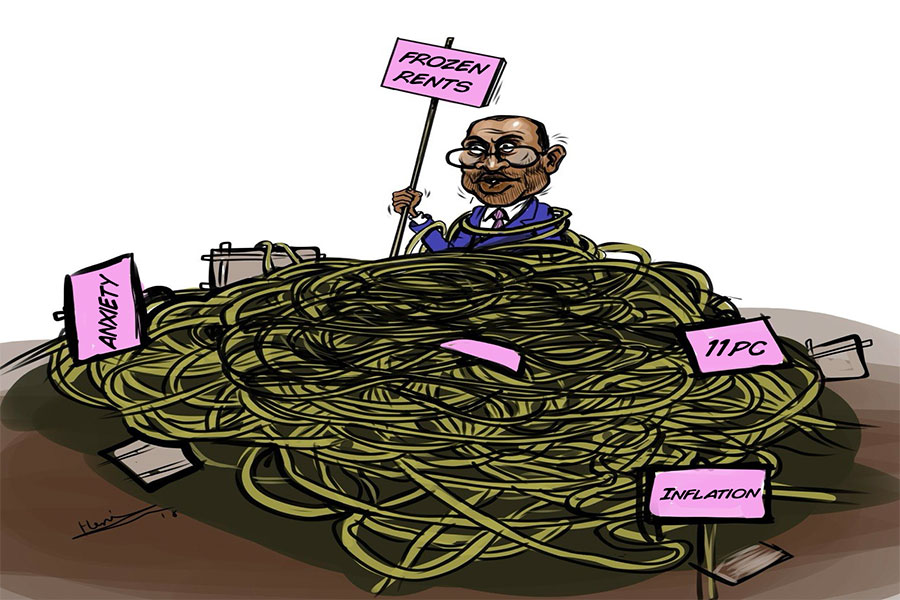
Jun 27 , 2026
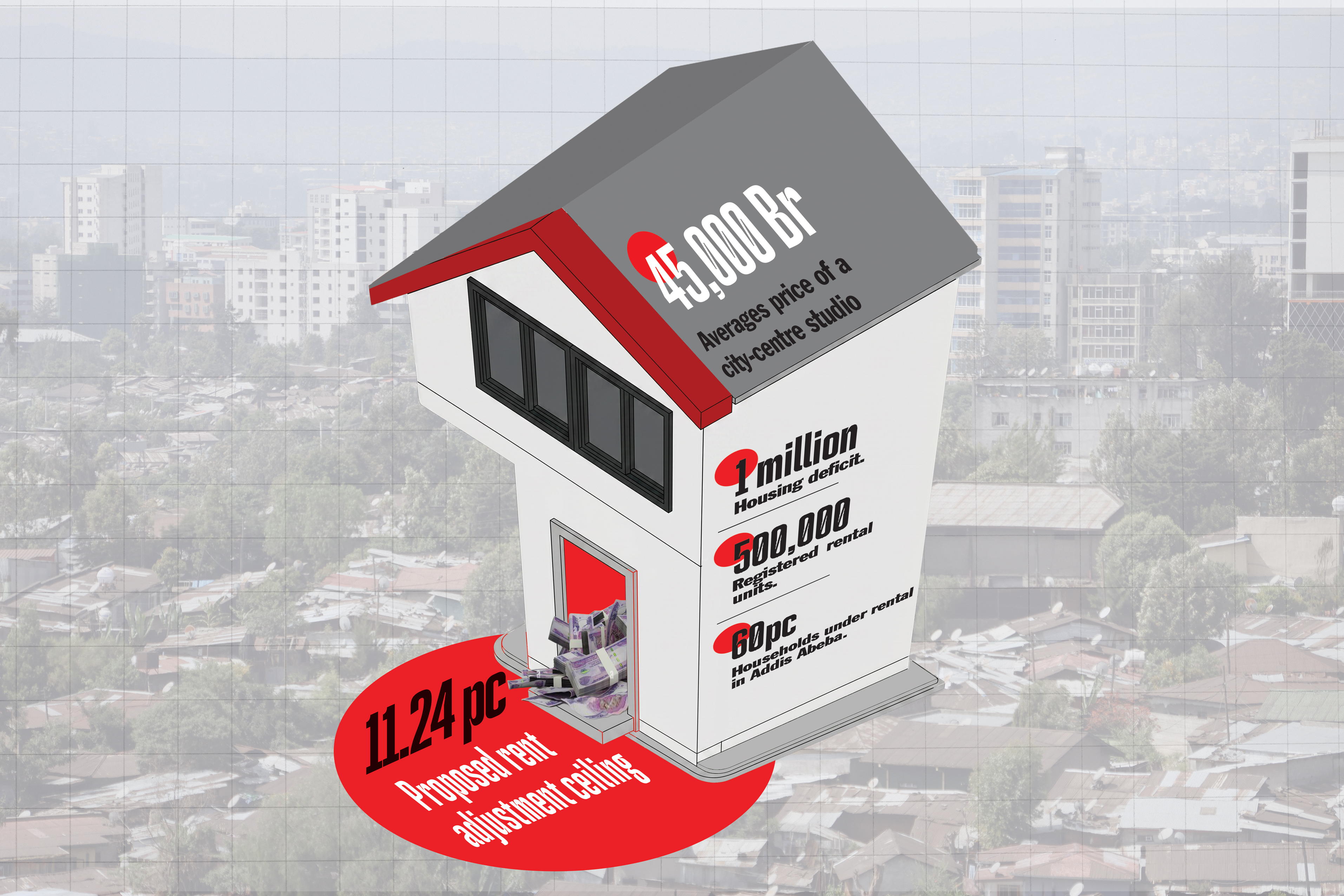
The federal legislative house rushed through one of the country's most contentious ho...
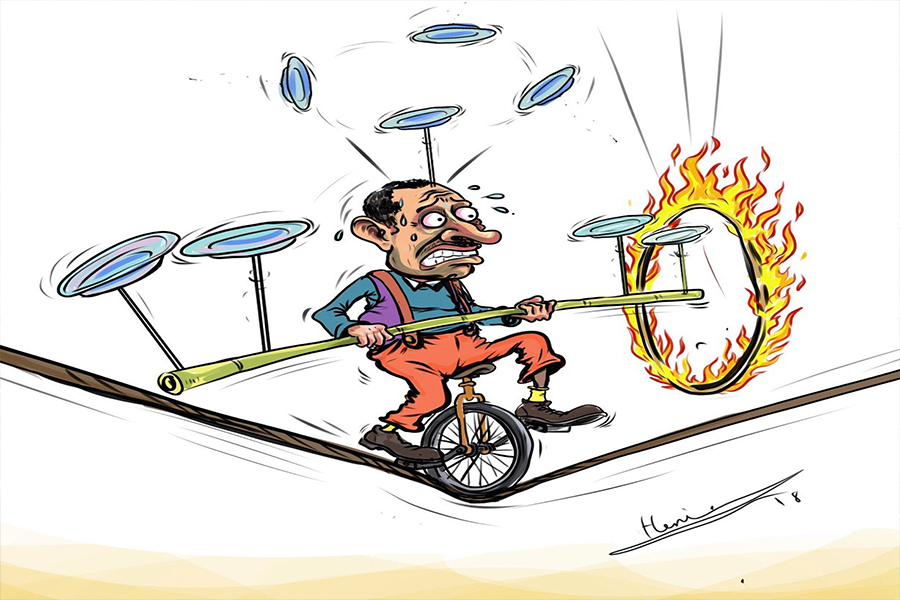
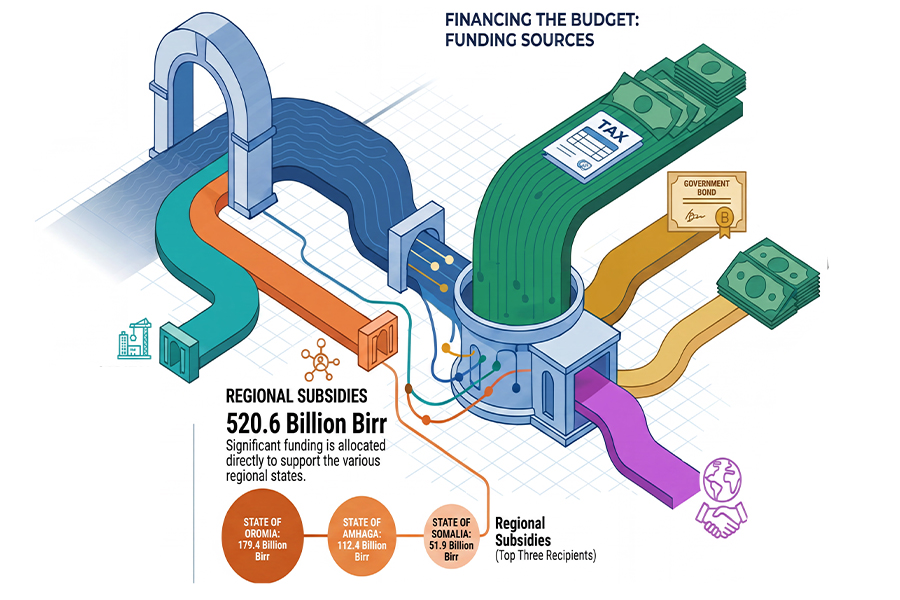
When Parliament takes up the appropriation bill, federal legislators will receive a d...

Jun 13 , 2026
The recent policy decision to fully open freight forwarding to foreign capital may be...







 Loading your updates...