

Radar | Feb 19,2022



Faced with a debilitating fertiliser shortage driving up prices on the parallel market, farmers across the country are fighting to maintain their livelihoods. The crisis severely impacts agricultural communities, including subsistence farmers, symbolic of the broader struggles countrywide.
The cooperative unions, previously a reliable source of these materials, can no longer meet farmers` needs due to supply shortages. A vast tract of land is devoted to grain farming, generating hundreds of million quintals of produce. Yet, according to official records, a notable deficit looms on fertiliser import and distribution this year, provoking public protests and pleas to officials of the Ministry of Agriculture. Farmers are desperately trying to draw the authorities` attention to their predicament.
The depth of the crisis pins it on a sudden surge in seasonal demand compounded by logistical and infrastructural hurdles as well as growing insecurities affecting reliable and timely distributions. Despite the arrest of several individuals involved in the parallel market, the delayed delivery of fertiliser continues unabated. This shortfall is a critical concern for Ethiopia's food security. In response, some farmers began exploring alternative crops less reliant on fertiliser, such as chickpeas.
However, these alternatives present their challenges. Regional agricultural authorities are encouraging farmers to practice composting to counter the crisis, but sceptics cautioned that natural alternatives cannot fully substitute fertilisers.
The state-run Ethiopian Agricultural Business Corporation (EABC), the only entity in the country permitted to import fertiliser, has been struggling with timely procurement due to failure in opening the letters of credit for shipment owing to a severe forex crunch. This delay has resulted in insufficient fertiliser arriving for the principal rainy season, deepening the crisis. Federal officials have begun contemplating allowing the private sector to import fertiliser. A break in the state monopoly might not provide an immediate solution but could prevent future farming seasons from facing similar crises.
It is a prospect being considered by representatives across ministries and corporations, but one that experts warn requires careful thought about the economic consequences.
You can read the full story here
PUBLISHED ON
Jul 15,2023 [ VOL
24 , NO
1211]

Radar | Apr 15,2023
Fortune News | May 25,2024
Fortune News | Jan 13,2024
Radar | Jun 18,2022
Radar | Jun 22,2024

Dec 22 , 2024 . By TIZITA SHEWAFERAW
Charged with transforming colossal state-owned enterprises into modern and competitiv...

Aug 18 , 2024 . By AKSAH ITALO
Although predictable Yonas Zerihun's job in the ride-hailing service is not immune to...

Jul 28 , 2024 . By TIZITA SHEWAFERAW
Unhabitual, perhaps too many, Samuel Gebreyohannes, 38, used to occasionally enjoy a couple of beers at breakfast. However, he recently swit...

Jul 13 , 2024 . By AKSAH ITALO
Investors who rely on tractors, trucks, and field vehicles for commuting, transporting commodities, and f...
Jul 4 , 2026
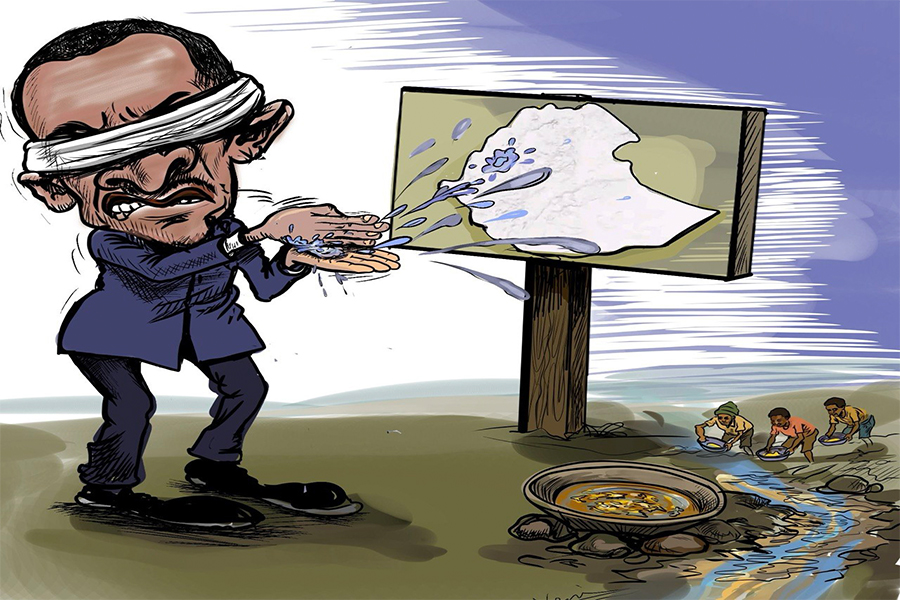
In the goldfields of the Benishangul-Gumuz Regional State, Ethiopia's balance-of-paym...
Jun 27 , 2026
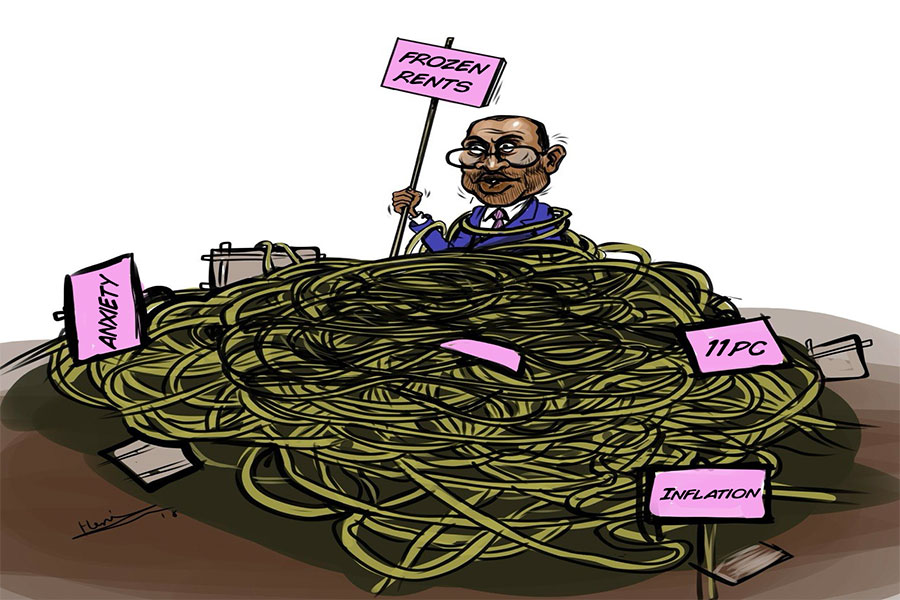
The federal legislative house rushed through one of the country's most contentious ho...

When Parliament takes up the appropriation bill, federal legislators will receive a d...

Jun 13 , 2026
The recent policy decision to fully open freight forwarding to foreign capital may be...











 Loading your updates...