

Viewpoints | Jan 11,2020



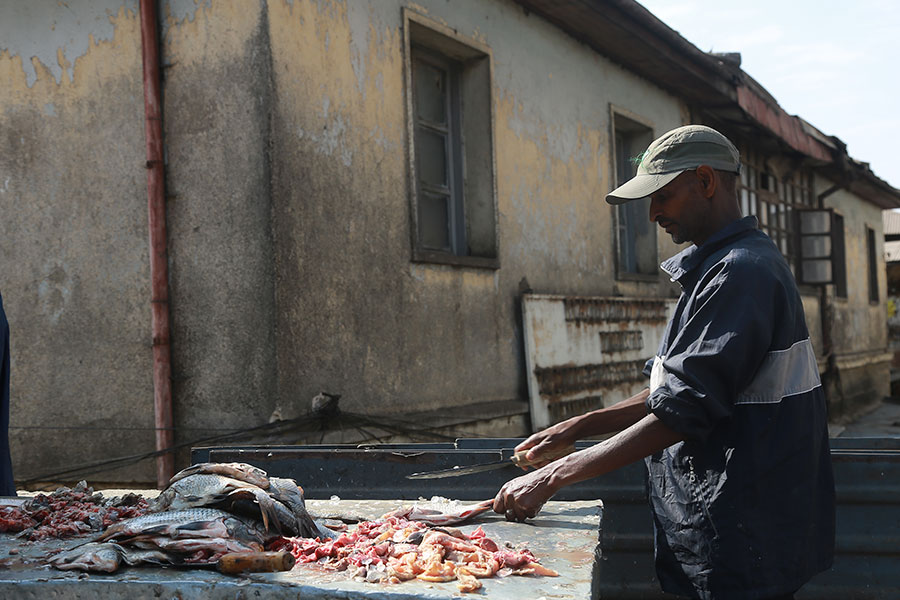
The end of Lent season brings a rude awakening for consumers visiting eateries, such as Andinet Butchery, having one of its branches close to Gabon Street, near the Beqlo B'et area. Restaurants like it, popular for serving raw meat dishes, have been preparing for the post-fasting season uptick, upgrading their interiors and the aesthetics to draw in customers. To the dismay of regulars, prices have jumped by up to 40pc since the Christmas season, making their offerings hard to swallow.
Depending on the restaurant's standard, a kilo of meat, from goats or bulls, goes between 400 and 1,100 Br. Neither inflation nor a price uptick for the non-fasting season after religious holidays is anything but unfamiliar. But now, foodstuffs such as milk, eggs and meat are leaping out of what the average household can afford in a country where the GDP per capita is only a little over 1,000 dollars. It is hard to blame the restaurants or butcheries as a supply shock has been creeping up. Critical among these is the food the cattle themselves consume. Feed prices have gone up along with costs for inputs such as wheat and processed soybean. Newer challenges are supply disruptions in the Borena Zone of the Oromia Regional State due to the devastating drought in the southern and eastern parts of the country. The civil war in the north and the militarized conflicts in other parts of the country have disrupted supply chains.
There are also age-old structural issues, where the supply chain includes a bunch of intermediaries that add little to no value but often take a significant cut that is then passed on to end-users. Novel and the most rapacious among these are “gangs” that collect fees from transporters to Addis Abeba, the biggest market. According to the Ethiopian Livestock Traders Association, the cost of transporting bulls has grown more than three-fold, the number of cattle supplied in the Easter market was significantly lower than before.
Experts believe that the problem goes deeper, pointing to an underdeveloped marketing system, poor livestock breeding, disease incidence and unavailability of feed. Tibs (stir-fried beef) and raw meat delicacies could get harder to swallow.
You can read the full story here
PUBLISHED ON
Apr 30,2022 [ VOL
23 , NO
1148]
Viewpoints | Jan 11,2020
Radar | Mar 11,2023
Radar | Mar 11,2023

In-Picture | Feb 21,2026

Dec 22 , 2024 . By TIZITA SHEWAFERAW
Charged with transforming colossal state-owned enterprises into modern and competitiv...
Aug 18 , 2024 . By AKSAH ITALO
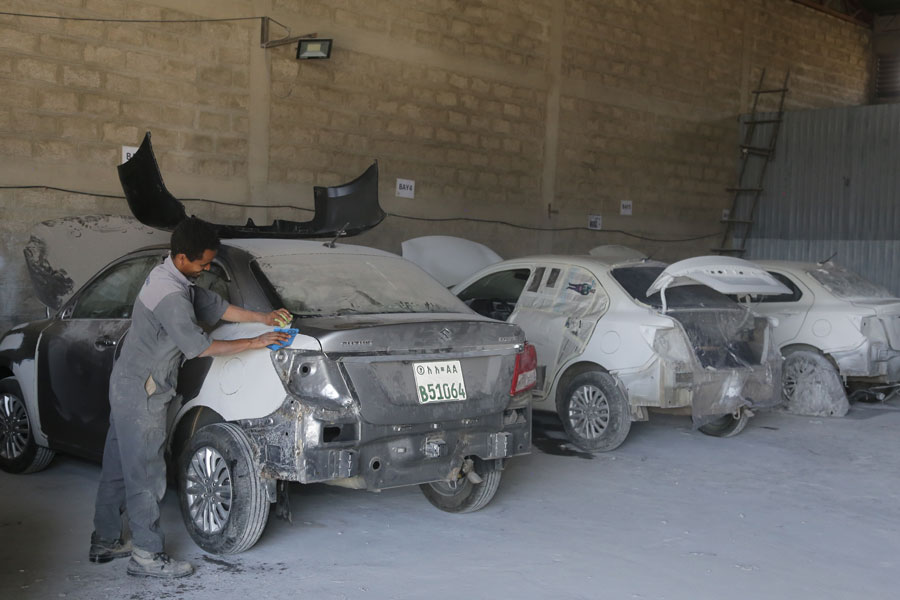
Although predictable Yonas Zerihun's job in the ride-hailing service is not immune to...

Jul 28 , 2024 . By TIZITA SHEWAFERAW
Unhabitual, perhaps too many, Samuel Gebreyohannes, 38, used to occasionally enjoy a couple of beers at breakfast. However, he recently swit...

Jul 13 , 2024 . By AKSAH ITALO
Investors who rely on tractors, trucks, and field vehicles for commuting, transporting commodities, and f...

Aug 22 , 2026
A record is a strange thing to worry about. Federal trade officials have booked the b...
Aug 14 , 2026
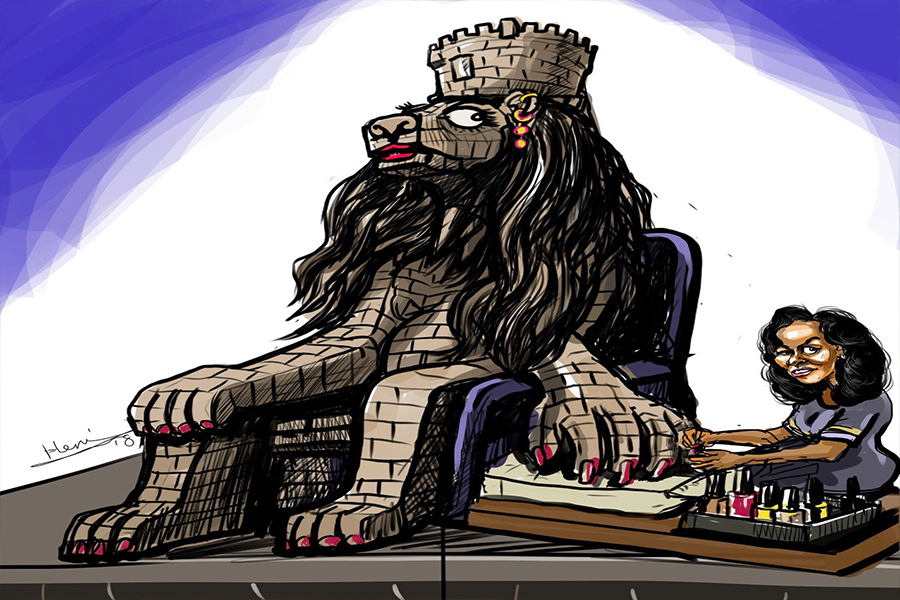
Aschalew Fetene, known as “Ardi” and admired for his poetic depth, has built a ti...

Aug 8 , 2026
The World Bank asks readers to picture a mother in rural Ethiopia who has never held...

Jul 31 , 2026
Weldu Yiheysh has not read the Pacific temperature charts. He does not need to. In Shibta District of Enderta Wereda, in...










 Loading your updates...