FORTUNE+ VIDEO SPONSORED CONTENTS ADVERTORIALS FORTUNE AUDIO Fortune Careers TRADE AFRICA Election 2026 New TIME REMAINING UNTIL ETHIOPIA’S NATIONAL ELECTION 0Days 0Hours 0Minutes 0Seconds


SLOW FLAKES


SLOW FLAKES

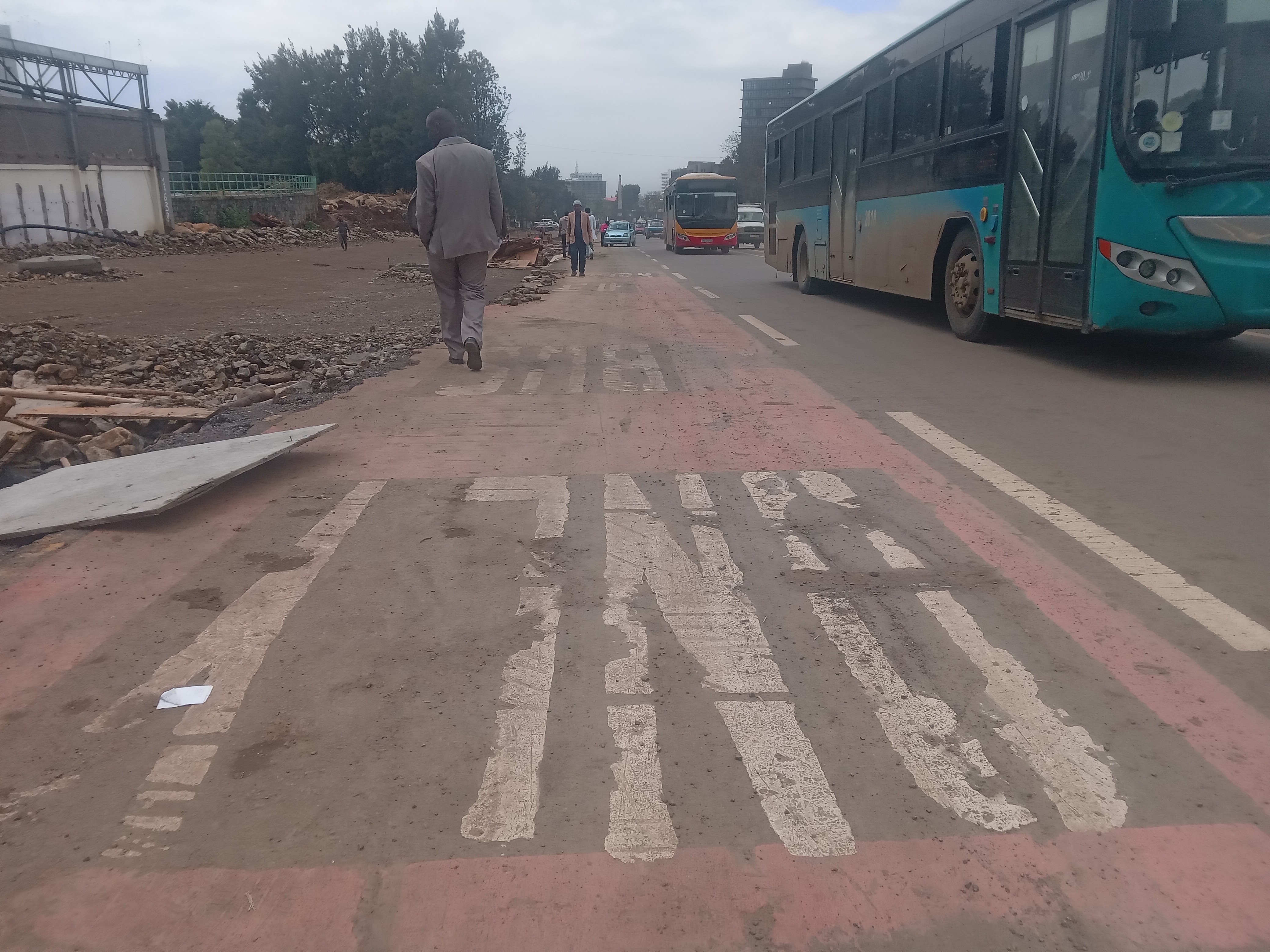
A fractured 'Only Bus' transit to enable city buses for quick passenger transportation now stands abandoned as its fine space has been torn off by the ongoing corridor development project, to provide expanse for a cycle lane around Arat-kilo. Its fading paint and narrow-spaced highway now serve for walking, becoming a dangerous risk for pedestrian accidents. There are 650 Anbessa buses and over 8,000 minibuses operating in the capital. Long queues for transportation are a common sight in the streets. With the gradual removal of fuel subsidies and increasing population numbers, federal authorities have set the stage for further investment in public buses. Over 3,000 more buses are needed to meet the capital’s demand for public transport which stands at 54pc.

[ssba-buttons]

In-Picture

DIG ZONE

A fleet of heavy-duty excavators, bulldozers, and dump trucks lines the muddy banks of a river near the German Square area. The concentrated presence of machinery signals the scale and speed driving the city's Corridor Development Program. The aggressive infrastructure push is reshaping the capital's urban form, but the intensity of earthworks at the river's edge also exposes a fragile tension. Rapid transformation and environmental protection sit side by side, each pulling against the other...


In-Picture

BROKEN LIN

A heavily damaged utility pole lies across a pedestrian sidewalk in the Gofa Camp neighborhood, with loose wiring exposed and a crushed metal sheet fence nearby. The scene points to a disrupted urban landscape where basic infrastructure repair has lagged behind visible damage. The lingering wreckage underscores growing concerns over delayed responses to hazardous public property failures...


In-Picture

VEST WAIT

Revenues Bureau personnel, identifiable in branded vests and body cameras, stand in a dense commuter queue at the Qera taxi terminal. Their roles are rooted in field enforcement and policing the informal economy, yet their off-duty reality looks no different from the citizens they regulate. The capital's strained public transport system turns routine commuting into a shared struggle, where municipal employees and the wider workforce wait side by side, exposed to the same delays, congestion, a...