FORTUNE+ VIDEO SPONSORED CONTENTS ADVERTORIALS FORTUNE AUDIO Fortune Careers TRADE AFRICA Election 2026 New TIME REMAINING UNTIL ETHIOPIA’S NATIONAL ELECTION 0Days 0Hours 0Minutes 0Seconds


LIBERAL LEAN


LIBERAL LEAN

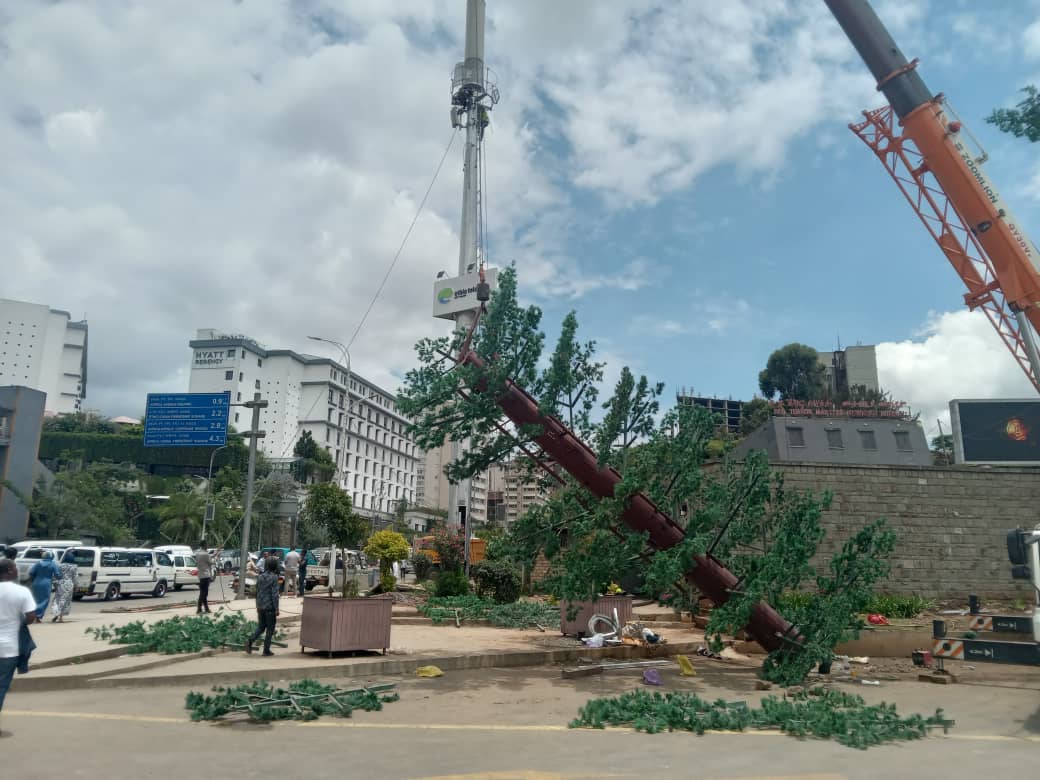
An infrastructure pole around Bole is being moved on a busy afternoon. The first telephone infrastructure was extended from Harar to the capital city in 1894, during the reign of Emperor Menelik II. The state-owned Ethiopian Telecom has made significant headway since its reestablishment six years ago by cutting tariffs, expanding coverage, and entering new business avenues. The 130-year-old enterprise will avail a 10pc ownership stake as Ethiopia launches its inaugural stock exchange next year. It had revenues of 42.9 billion Br in the first half of the current year. The telecom operator which had a monopoly on telecom services for all but the last two years is the first of at least four SOEs poised to open themselves up to private ownership.

[ssba-buttons]

In-Picture

DIG ZONE

A fleet of heavy-duty excavators, bulldozers, and dump trucks lines the muddy banks of a river near the German Square area. The concentrated presence of machinery signals the scale and speed driving the city's Corridor Development Program. The aggressive infrastructure push is reshaping the capital's urban form, but the intensity of earthworks at the river's edge also exposes a fragile tension. Rapid transformation and environmental protection sit side by side, each pulling against the other...


In-Picture

BROKEN LIN

A heavily damaged utility pole lies across a pedestrian sidewalk in the Gofa Camp neighborhood, with loose wiring exposed and a crushed metal sheet fence nearby. The scene points to a disrupted urban landscape where basic infrastructure repair has lagged behind visible damage. The lingering wreckage underscores growing concerns over delayed responses to hazardous public property failures...


In-Picture

VEST WAIT

Revenues Bureau personnel, identifiable in branded vests and body cameras, stand in a dense commuter queue at the Qera taxi terminal. Their roles are rooted in field enforcement and policing the informal economy, yet their off-duty reality looks no different from the citizens they regulate. The capital's strained public transport system turns routine commuting into a shared struggle, where municipal employees and the wider workforce wait side by side, exposed to the same delays, congestion, a...