

Photo Gallery | 193375 Views | May 06,2019



Apr 13 , 2019
By
The unfortunate accident that befell Ethiopian Airlines Flight 302 will be one of the most important events of this year. It put a major airline manufacturer, Boeing, in an extremely precarious position, showed that there are African airlines that can stand their ground on the global stage and proved that many international media outlets are unconsciously skewed to blame incompetence on Africans.
The weeks that followed the crash also betrayed how unapologetically proud Ethiopians are of the airline. All the resistance toward partially privatising the aviation giant, merely because it is a “national pride,” and even if there was the possibility that it would not continue to be as profitable as it is currently, now makes a great deal of sense.
Ethiopians, whose voice was loud and united when it came to the defence of the airline’s reputation, see in Ethiopian Airlines all that they could be. It represents what we want the world to see in us, instead of the international narrative of poverty and hopelessness projected on African countries, and perhaps more so on Ethiopia.
In Ethiopian, what we see are the clean-cut pilots, smiling hostesses, gorgeously vast airport with fantastic air conditioning and that addictive theme song that plays every time the airline is advertised. Ethiopian Airlines is all that Ethiopia never was - adequately managed, profitable and not that far removed in competitiveness form its international peers.
We are not the only ones that feel pride in a homegrown enterprise. A South Korean once told me that Samsung essentially runs the country, and Koreans do not mind much. The Japanese have a city called Toyota.
What we feel toward Ethiopian Airlines is entirely warranted, healthy and shared in other countries by citizens toward homegrown mega companies of their own. There is a catch though, which is as well prevalent elsewhere. Such major companies often blind us. We want to protect them so much that we fail to see the disadvantages they have brought.
In Ethiopian’s case, it is rarely pointed out that part of the airline’s success comes from the sustained willingness of successive governments to see it retain a monopoly. It is an airline that has been protected to a degree that it is the only significant player in the field. We have Ethiopian at the expense of all the other private airlines.
Just as crucial is the fact that it should matter little whether or not such enterprises are government owned.
Arguments can be made that privatising Ethiopian will lead to lower foreign currency profits for the government, but it is entirely idiosyncratic to assume that we will not be prideful of it all of a sudden.
Both Samsung and Toyota are not government-owned and yet have a great deal of respect from South Koreans and the Japanese, respectively. This is not only because these companies have economic benefits - they employ plenty of people and pay substantial taxes. The pride comes out of the view that these companies are products of a highly productive society and an efficient government.
What is more beautiful than this?
Ethiopians also see this in Ethiopian Airlines. They see a capable leadership and workforce that was able to be competitive on the international stage - not merely generating foreign currency but encouraging us to aspire to greatness.
But that is the only institution that we are truly proud of. We do not have such a feeling toward any one of our private institutions and definitely not the state-owned ones such as Ethio telecom.
What we have failed at is in believing that a formula that worked for Ethiopian can be replicated, and closing the commanding heights of the economy to the private sector. It did not as well help that neither the tax regime, infrastructure or the bureaucracy were unable to provide an enabling environment for Ethiopian’s success to be repeated on the private sector.
While it is commendable to see many taking the time to defend the reputation of the private sector, some of that energy has to be focused on calling on the government to allow the private sector to play its part. We will not get a Samsung or a Toyota in the near future, but the next Amazon or Apple may well be a homegrown Ethiopian company.
PUBLISHED ON
Apr 13,2019 [ VOL
20 , NO
989]
Photo Gallery | 193375 Views | May 06,2019

Photo Gallery | 183260 Views | Apr 26,2019

Photo Gallery | 180069 Views | Oct 06,2021
My Opinion | 145501 Views | Aug 14,2021



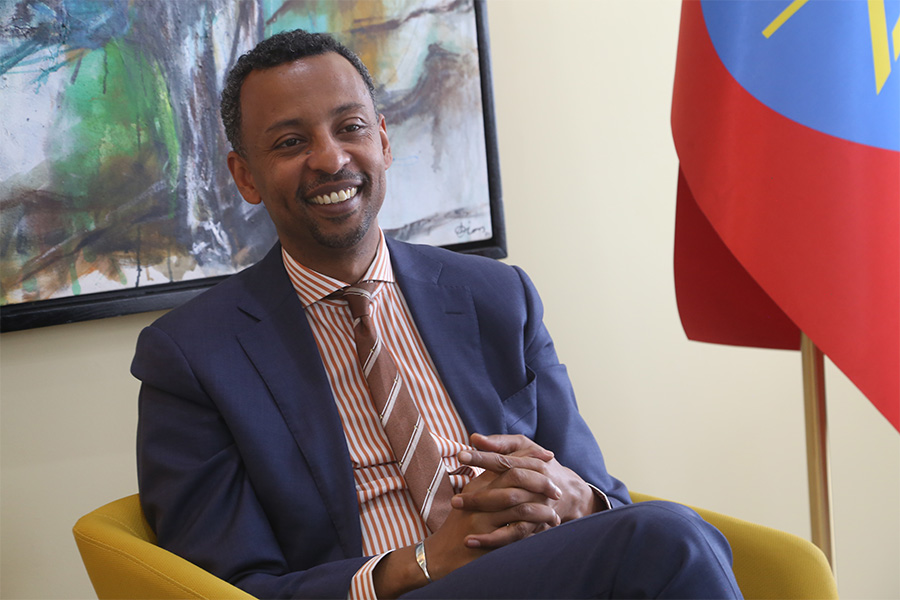
Dec 22 , 2024 . By TIZITA SHEWAFERAW
Charged with transforming colossal state-owned enterprises into modern and competitiv...

Aug 18 , 2024 . By AKSAH ITALO
Although predictable Yonas Zerihun's job in the ride-hailing service is not immune to...

Jul 28 , 2024 . By TIZITA SHEWAFERAW
Unhabitual, perhaps too many, Samuel Gebreyohannes, 38, used to occasionally enjoy a couple of beers at breakfast. However, he recently swit...
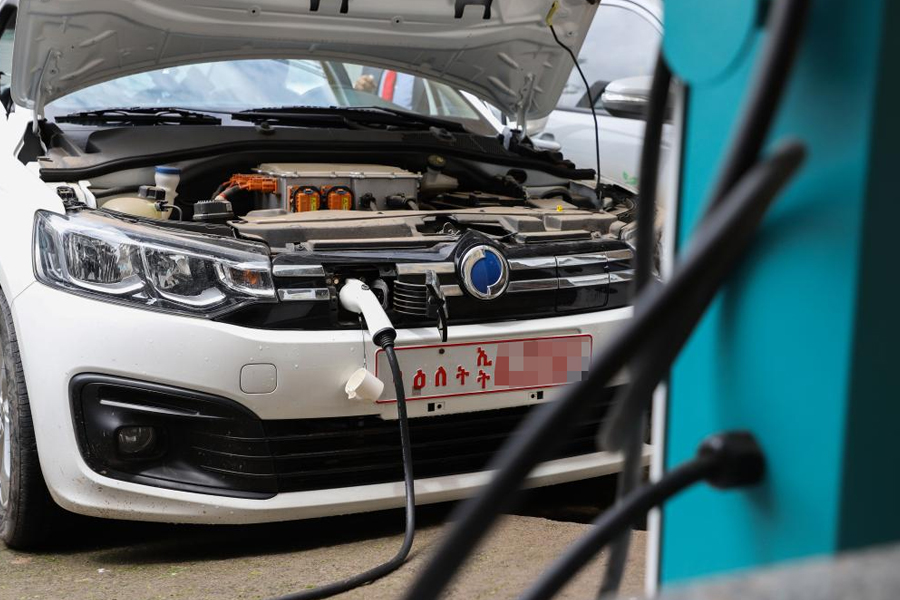
Jul 13 , 2024 . By AKSAH ITALO
Investors who rely on tractors, trucks, and field vehicles for commuting, transporting commodities, and f...
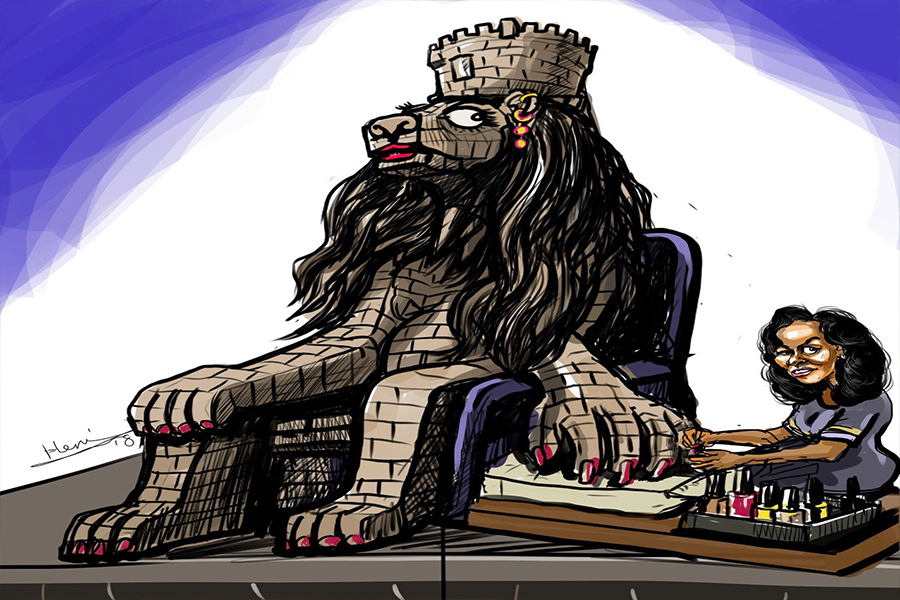
Aug 14 , 2026
Aschalew Fetene, known as “Ardi” and admired for his poetic depth, has built a ti...
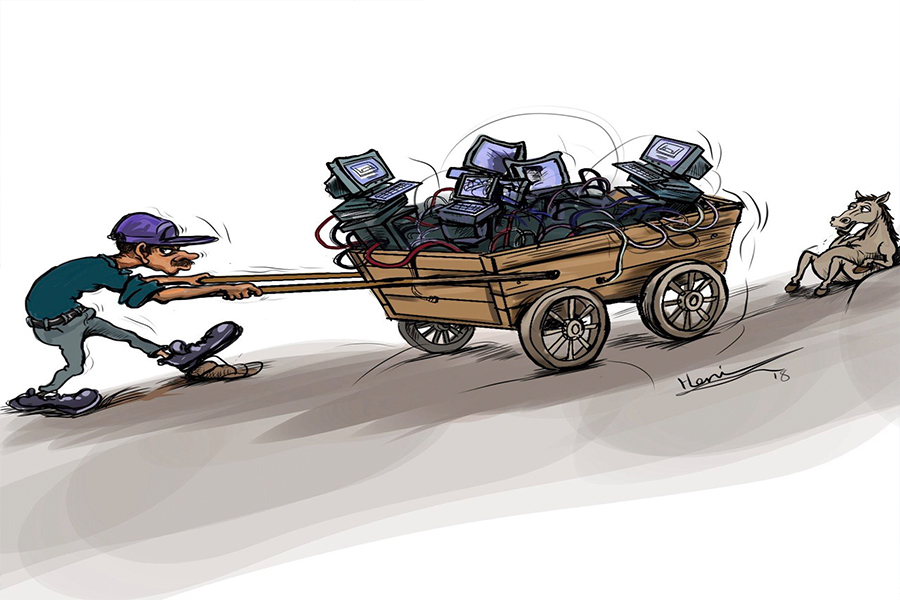
Aug 8 , 2026
The World Bank asks readers to picture a mother in rural Ethiopia who has never held...
Jul 31 , 2026
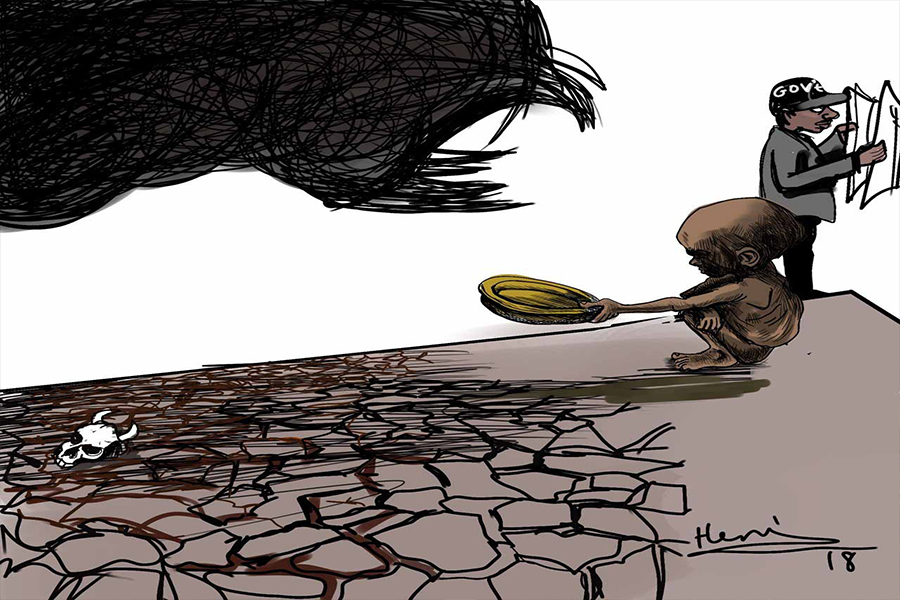
Weldu Yiheysh has not read the Pacific temperature charts. He does not need to. In Shibta District of Enderta Wereda, in...
Jul 25 , 2026
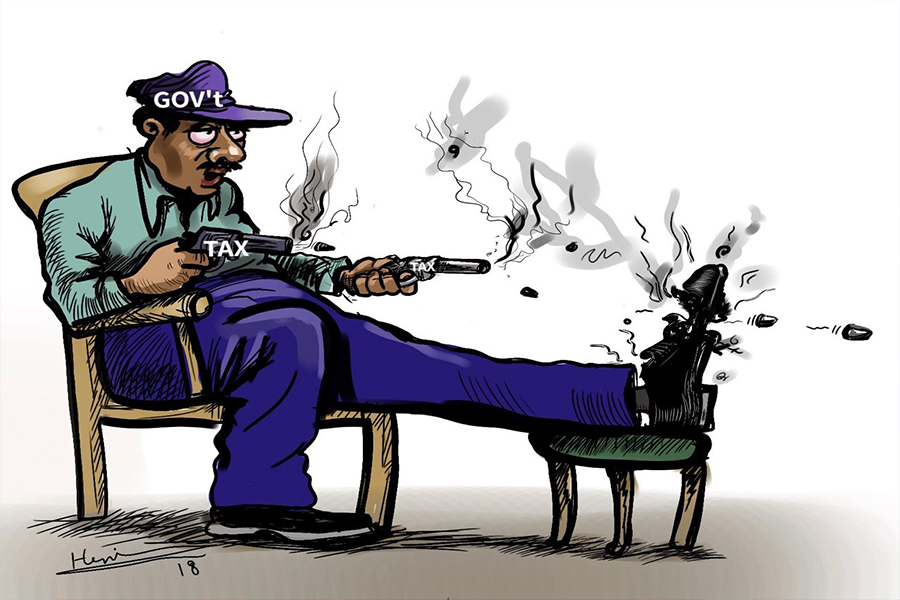
Ideally, citizens who have paid income tax all year should not have to reach for thei...
Aug 15 , 2026 . By NAHOM AYELE
Federal prosecutors have charged seven defendants over a set of foreign-trade deals t...
Aug 15 , 2026 . By BEZAWIT HULUAGER
Ethio-post is preparing to turn its thousands of branches into banking agents, allowi...
Aug 18 , 2026 . By BEZAWIT HULUAGER
Kassahun Gofe (PhD), minister of Trade & Regional Integration (MoTRI), is prepari...

Aug 16 , 2026 . By NAHOM AYELE
Justices at the Federal Supreme Court widened the shield they are holding over lawyer...







 Loading your updates...