FORTUNE+ VIDEO SPONSORED CONTENTS ADVERTORIALS FORTUNE AUDIO Fortune Careers TRADE AFRICA Election 2026 New TIME REMAINING UNTIL ETHIOPIA’S NATIONAL ELECTION 0Days 0Hours 0Minutes 0Seconds


Civil Society Organisations Set Sights on Financial Reporting Regulation


Civil Society Organisations Set Sights on Financial Reporting Regulation

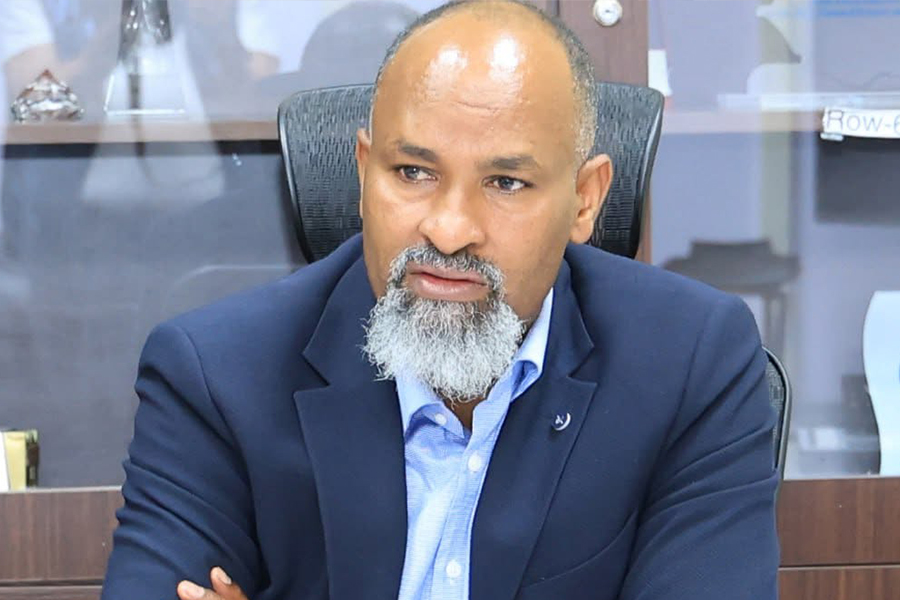
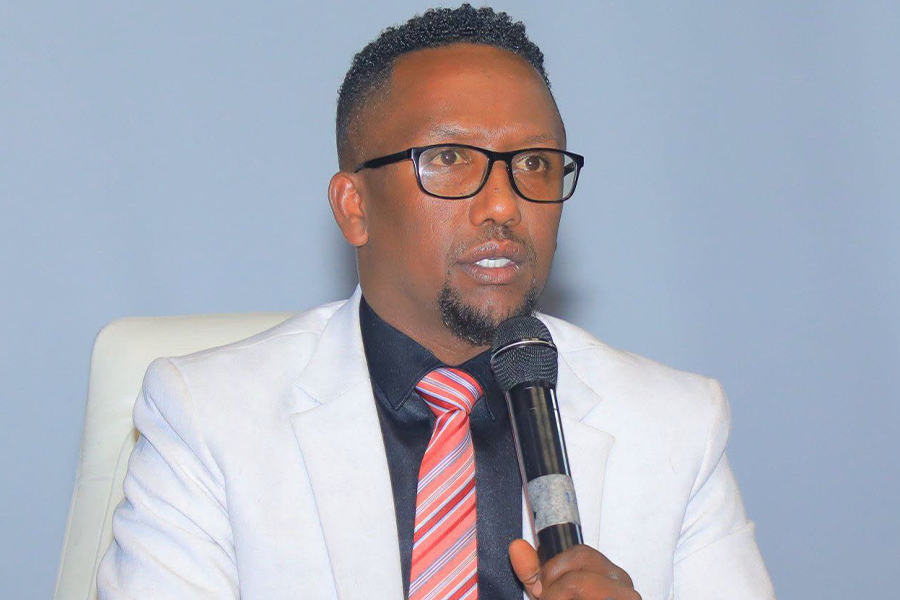
Civil society organisations (CSOs) are compelled to report their source of revenues higher than 20,000 Br during annual audits, according to a new directive that came to light two weeks ago. Legal experts at the Authority for Civil Society Organizations stress the directive will prevent financial mismanagements covered under auditors selected by the organisations serving as a benchmark by setting criteria for submitted documents. According to Fasikaw Molla, deputy head of the Authority, the absence of defined requirements proved to be time-consuming and resulted in a difference in the auditing process. He indicated that although payments are determined by audit reports, the procedures should be similar. The directive entails that CSOs are obliged to include incomes and shares from donors, funds raised from public gatherings and financial statements in accordance with accounting principles and guidelines issued by the Authority. But organisations with annual transactions below 200,000 Br can submit a statement mentioning income expense, assets and liability. The Authority oversees 4,400 organisations where 570 are international that mostly participated during the draft stage, according to Fasikaw. Last week Jima Dilbo who headed the Authority for over four years handed over the baton to Samson Biratu. Jima indicated that he was fortunate to build a strong institution and relationship between civil society organisations while the newly appointed Director General pledged to continue the reform works in the management.

[ssba-buttons]

Radar

Parliament Receives $237m Development Loan Package

The Council of Ministers forwarded two concessional loan agreements totalling 237.3 million dollars to Parliament for ratification, targeting rural infrastructure and food security. The package includes 46.3 million dollars from the African Development Bank (AfDB) for climate-resilient infrastructure in pastoralist regions. A second credit facility of 191 million dollars (146.1 million SDR) from the International Development Association (IDA) is earmarked for the sixth phase of the Productive Sa...


Radar

MoTRI to Overhaul Consumer Protection Rules Following Cabinet Approval of Trade Policy

The Council of Ministers, led by Prime Minister Abiy Ahmed (PhD), approved Ethiopia's first unified trade policy last week, ending a three-year deliberation period to fill a decades-long regulatory vacuum,. This institutional milestone mandates the Ministry of Trade & Regional Integration (MoTRI) to overhaul consumer protection frameworks, specifically requiring a rigorous revision of the Trade Competition and Consumer Protection Proclamation to eliminate market distortions and the prolifera...


Radar

Regional Power Exports Yield $366m as Capacity Hits 9.6GW

Ethiopian Electric Power (EEP) generated 365.99 million dollars from regional exports in the first nine months of the fiscal year as national capacity reached 9,579MW. The revenue followed the sale of 24,940GWh, representing 91pc of gross generation. Hydropower remains dominant, providing 9,500MW. To diversify assets and mitigate climate risks, the utility integrated the 100MW Asela Wind Power Project. The transmission network has expanded to 148,600km to secure domestic industrial supply and...