
In-Picture | Oct 27,2024



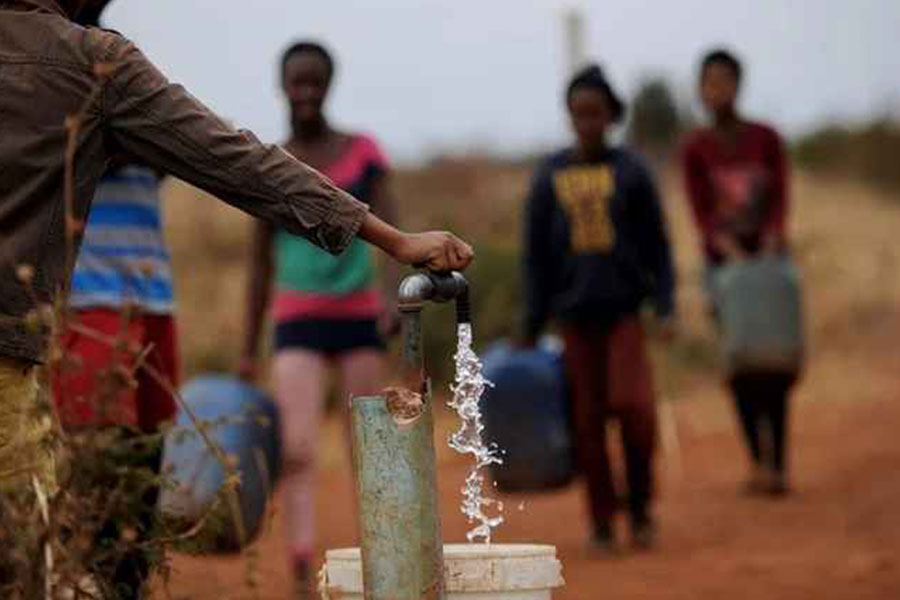
Malaria, a persistent threat in rural areas, is resurging with alarming intensity in 2024, exposing deep-rooted systemic issues aggravated by climate change and inadequate health infrastructure. In the past three months alone, the Ministry of Health has reported nearly 2.9 million cases, a staggering 200pc increase compared to the same period in previous years. The public health crisis places three-quarters of the population at risk. Hospitals across affected regions are struggling to keep pace. Jinka General Hospital alone reported 2,655 confirmed cases in three months. Medical doctors blame the inconsistent drug supplies and scarce blood donations as critical hurdles such as logistical and financial constraints that leave patients without proper treatment and overwhelm healthcare facilities already stretched thin.
According to experts, climate change is amplifying the crisis. Altered weather patterns have led to increased rainfall and warmer temperatures, expanding mosquito breeding grounds and extending the lifespan of the insects. State Minister for Health Dereje Duguma says warmer temperatures allow mosquitoes to transmit the parasite over a more extended period. This weather shift complicates efforts to control malaria, particularly where preventative measures have waned and infrastructure is lacking. Social factors compound the problem. Young men, often travelling long distances for work at night when mosquito activity is highest, are among the most affected. Health experts cite the inadequacy of housing in rural areas. Apathy toward preventative measures like bed nets and insecticides has allowed mosquitoes to thrive unchecked, heightening the spread.
Despite efforts to curb the resurgence, including appeals for the global malaria vaccine and increased distribution of insecticide-treated nets, difficulties in combating malaria persist. Conflicts, such as in the Amhara Regional State, where over 80,000 new cases were reported in one week, disrupt healthcare services and supply chains. However, experts who urge collective actions like draining stagnant water and consistent use of bed nets deem community involvement crucial to battle against a disease that continues to claim lives, particularly among the most vulnerable.
You can read the full story here
PUBLISHED ON
Nov 16,2024 [ VOL
25 , NO
1281]
In-Picture | Oct 27,2024

Viewpoints | Jul 04,2026

Fortune News | Nov 15,2025

Radar | Oct 26,2025

Fortune News | Aug 21,2021

Sunday with Eden | Mar 06,2021
Commentaries | Sep 14,2024
Radar | May 04,2024
Commentaries | Jan 07,2023
Fortune News | Apr 22,2023
Dec 22 , 2024 . By TIZITA SHEWAFERAW
Charged with transforming colossal state-owned enterprises into modern and competitiv...
Aug 18 , 2024 . By AKSAH ITALO
Although predictable Yonas Zerihun's job in the ride-hailing service is not immune to...
Jul 28 , 2024 . By TIZITA SHEWAFERAW
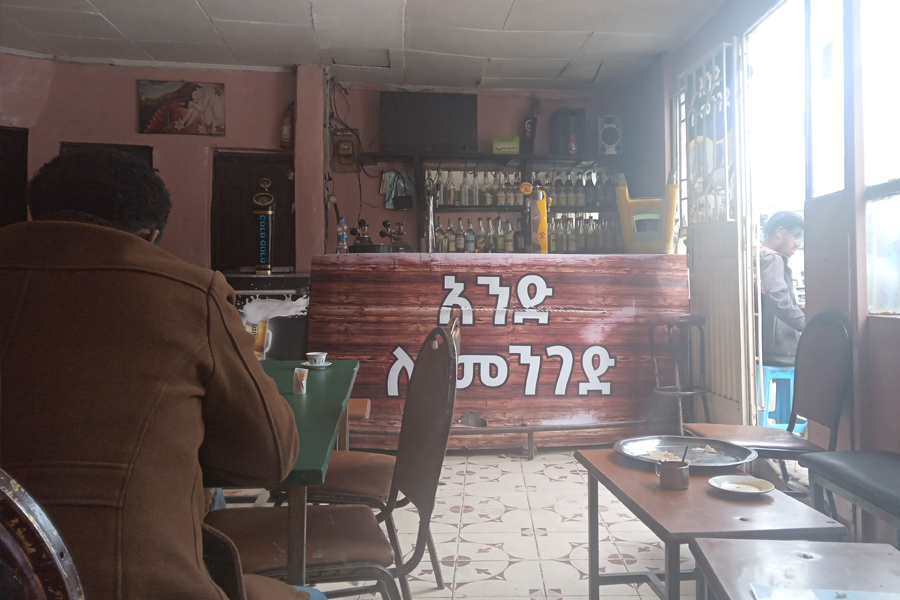
Unhabitual, perhaps too many, Samuel Gebreyohannes, 38, used to occasionally enjoy a couple of beers at breakfast. However, he recently swit...
Jul 13 , 2024 . By AKSAH ITALO
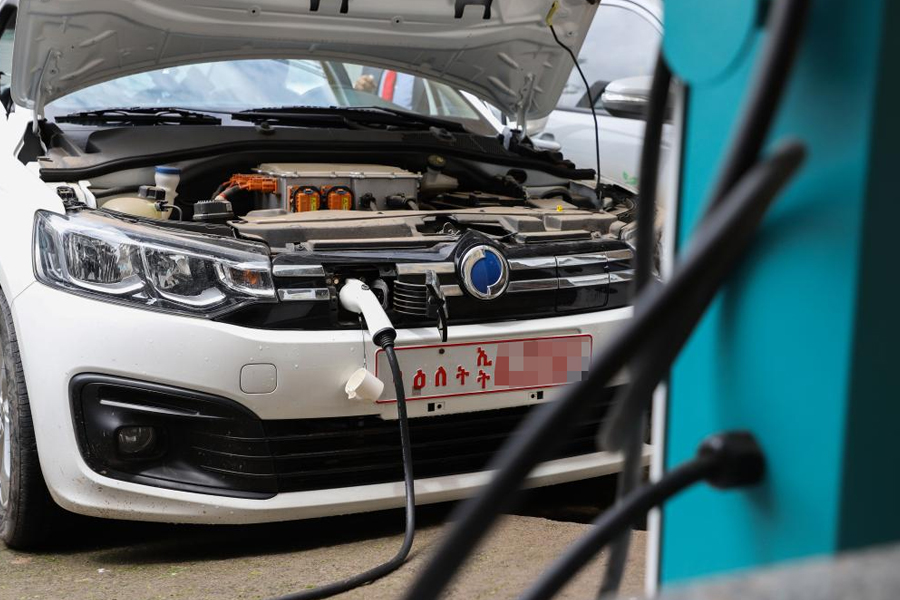
Investors who rely on tractors, trucks, and field vehicles for commuting, transporting commodities, and f...
Jul 4 , 2026
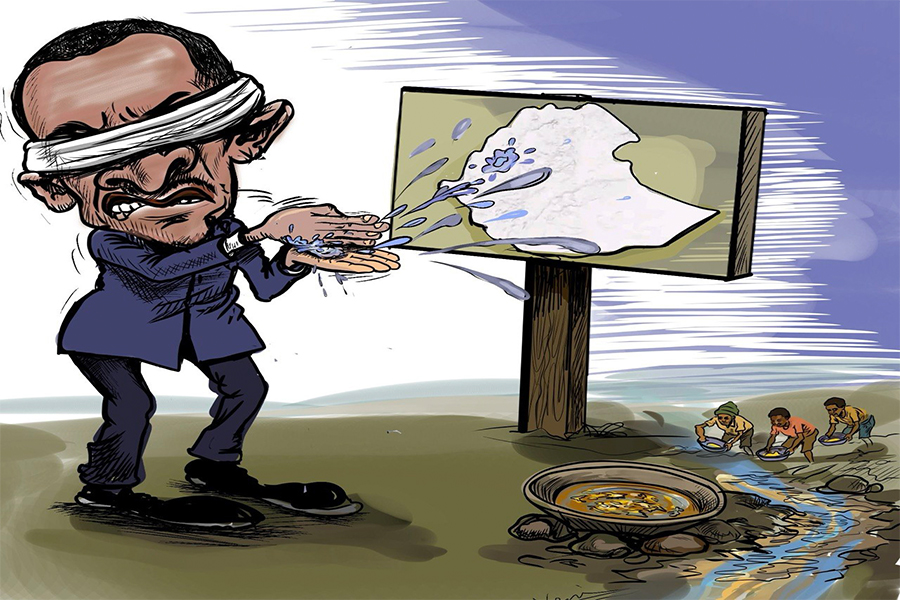
In the goldfields of the Benishangul-Gumuz Regional State, Ethiopia's balance-of-paym...
Jun 27 , 2026
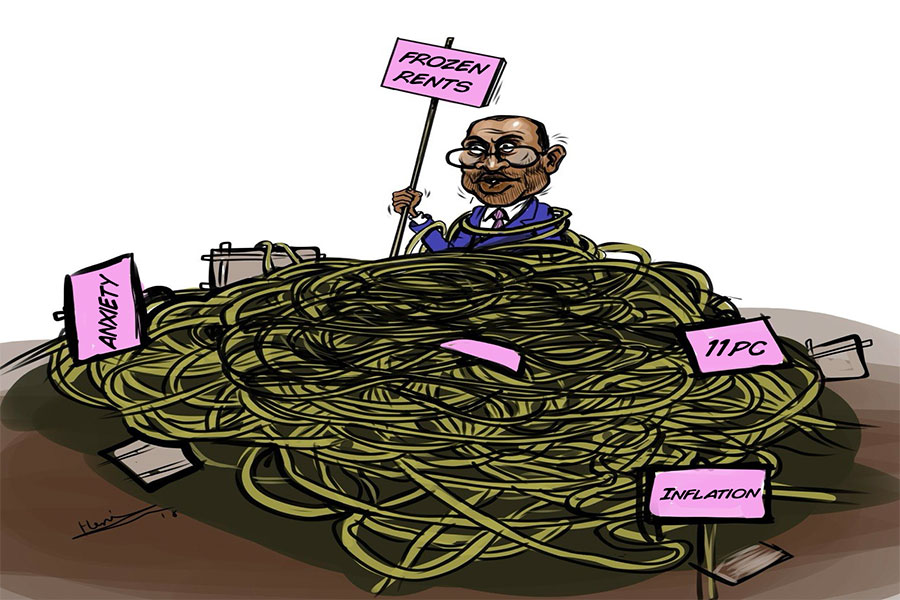
The federal legislative house rushed through one of the country's most contentious ho...
When Parliament takes up the appropriation bill, federal legislators will receive a d...
Jun 13 , 2026
The recent policy decision to fully open freight forwarding to foreign capital may be...










 Loading your updates...